Best Books on Raising Bilingual Children
This curriculum takes a parent from zero background in bilingualism research all the way to confident, research-informed practice. It begins with warm, accessible guides that explain the "why" and the core strategies (including OPOL), then moves into the science of how children acquire two languages, and finally reaches advanced practitioner-level texts on sustaining the minority language and navigating real-world challenges.
Foundations: What Bilingualism Really Means
BeginnerUnderstand what it means to raise a bilingual child, dispel common myths, and get a clear overview of the main strategies (OPOL, minority-language-at-home, etc.) before committing to an approach.
▸ Study plan for this stage
Pace: 4–5 weeks, ~25–30 pages/day. Start with Pearson's introduction and early chapters (Week 1–2), then move through Esch-Harding's foundational sections (Week 3–4), with a final week for review and synthesis.
- Definition of bilingualism: simultaneous vs. sequential exposure, and why the distinction matters for family planning
- Common myths about bilingual development (e.g., 'bilingualism causes confusion' or 'it delays speech') and the research evidence that refutes them
- The OPOL (One Parent, One Language) strategy: how it works, its strengths, and realistic challenges
- Minority Language at Home (MLH) and other community-based strategies: when and why families choose them
- The role of input quantity and quality: why exposure alone isn't enough, and how consistency affects language development
- Family context factors: parental attitudes, community support, and socioeconomic resources that influence bilingual success
- Critical periods and sensitive windows: what research actually says about age and language acquisition
- Individual differences: why some children thrive bilingually while others resist, and how to recognize your child's language preferences
- What is the difference between simultaneous and sequential bilingualism, and why does this distinction matter for your family's strategy?
- Name three common myths about bilingual children and explain what research actually shows about each one.
- How does the OPOL strategy work, and what are at least two realistic challenges families face when implementing it?
- What is Minority Language at Home (MLH), and under what family circumstances might it be more practical than OPOL?
- Why is input quantity important in bilingual development, and what does 'consistency' mean in the context of language exposure?
- What family and community factors (beyond just speaking two languages) influence whether a child becomes truly bilingual?
- Create a family language profile: map out who speaks what language to your child, how often, and in what contexts. Compare it against OPOL and MLH models to see which strategy (if any) matches your situation.
- Myth-busting worksheet: for each myth covered in Pearson's book, write down the myth, the research evidence against it, and how you would explain it to a skeptical family member.
- Strategy comparison chart: create a table comparing OPOL, MLH, and any other strategies mentioned in Esch-Harding, listing pros, cons, and which family types they suit best.
- Input audit: track one week of your child's (or a hypothetical child's) language exposure—count hours per language, identify gaps, and assess whether the quantity and quality meet the threshold for bilingual development.
- Family attitudes inventory: reflect on your own and your partner's attitudes toward bilingualism using prompts from Esch-Harding (e.g., 'Which language do you value more?' 'What are your fears?'). Discuss how these attitudes might shape your strategy.
- Case study analysis: select one family scenario from either book and write a 1–2 page analysis of why their approach succeeded or struggled, and what you would do differently.
Next up: This stage equips you with a realistic, myth-free understanding of bilingual development and the main strategic approaches, preparing you to move into the next stage—where you'll dive deeper into language-specific challenges (phonetics, grammar, literacy) and age-specific milestones that will help you monitor and support your child's progress.
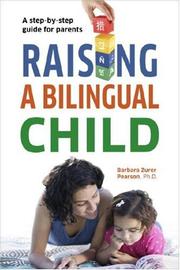
The ideal starting point: written by a leading researcher in plain language, it covers every major strategy including OPOL, explains what the science actually shows, and gives practical day-to-day advice. Reading this first gives you the full map.
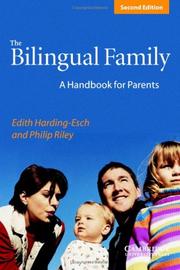
A classic, parent-friendly handbook built around real family case studies. After Pearson's overview, this book grounds the strategies in lived experience and helps beginners see how other families have made OPOL and other methods work.
Strategy Deep-Dive: Keeping the Minority Language Alive
BeginnerLearn concrete, proven techniques for nurturing the minority language at home and in the community, and understand the emotional and social dynamics families face.
▸ Study plan for this stage
Pace: 4–5 weeks, ~25–30 pages/day, with 2–3 reflection days per week
- The OPOL (One Parent, One Language) method and its variations: how to structure consistent language input at home
- Critical exposure thresholds: understanding the minimum amount and quality of minority language input needed for active bilingualism
- Strategies for maintaining minority language motivation when children resist or prefer the majority language
- The role of community, extended family, and cultural events in reinforcing minority language use
- Managing code-switching and mixed language use without shame or correction anxiety
- Emotional resilience for parents: navigating guilt, pressure, and societal attitudes about bilingualism
- Age-specific approaches: adjusting strategies from infancy through school age as children's needs and peer influences change
- Creating a sustainable, joyful bilingual environment rather than a pressurized one
- What are the main differences between OPOL and other language-separation strategies, and which approach might work best for your family situation?
- What minimum amount of minority language exposure do children need to develop active bilingual ability, and how does quality of input matter?
- How can you respond when your child code-switches or refuses to use the minority language without creating shame or resentment?
- What specific community resources and cultural activities can you leverage to keep the minority language alive outside the home?
- How do parental attitudes and emotional well-being affect a child's willingness to maintain the minority language?
- What are realistic expectations for bilingual development at different ages, and when should you adjust your strategy?
- Map your current language input: Track for one week how many hours per day your child receives minority language exposure from each source (parent, grandparent, media, school, community). Compare against the exposure thresholds discussed in the books.
- Design your family's language strategy: Write a one-page plan specifying which OPOL variant (or hybrid approach) fits your family, who speaks which language when, and how you'll handle code-switching moments.
- Create a minority language activity calendar: Plan 4–6 concrete activities for the next month that naturally incorporate the minority language (cooking, storytelling, video calls with relatives, community events). Schedule them and commit to at least three.
- Interview a bilingual family: Talk to another family raising bilingual children about their strategies, challenges, and emotional journey. Document what worked and what didn't for them, and reflect on how their experience relates to the books' advice.
- Audit your home environment: List all books, media, toys, and resources in your home in the minority language. Identify gaps and create a plan to add 3–5 new resources this month.
- Practice a difficult conversation: Role-play or write out how you would respond to your child saying 'I don't want to speak [minority language]' or 'Everyone at school speaks [majority language].' Reflect on whether your response aligns with the emotional resilience strategies in the books.
Next up: This stage equips you with concrete, evidence-based techniques and emotional tools to actively nurture the minority language; the next stage will likely explore how to navigate specific challenges (resistance, peer pressure, schooling decisions) and adapt your strategy as your child grows and their social world expands.

Beck is a bilingual parent and educator who writes with unusual specificity about building minority-language exposure. His 'Language Nutrition' framework is immediately actionable and fills the gap between knowing a strategy and executing it daily.
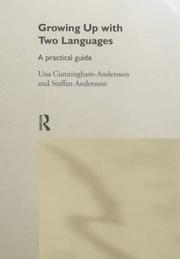
Focuses squarely on the practical challenges of the minority-language parent and the community language's pull. Reading it here reinforces and extends the strategies from Beck with a European family perspective and additional case studies.
The Science: What Research Actually Shows
IntermediateMove beyond parenting advice into the empirical research on bilingual language acquisition — how children process two languages, what 'mixing' really means, and what conditions predict success.
▸ Study plan for this stage
Pace: 4–5 weeks, ~25–30 pages/day (approximately 150–180 pages total)
- The bilingual person as a unique speaker-hearer, not two monolinguals in one body — understanding the integrated bilingual mind
- How children process and store two language systems simultaneously, including the role of exposure, input quality, and language dominance
- Code-mixing and code-switching as normal, rule-governed linguistic phenomena, not signs of confusion or language deficiency
- The critical role of input quantity and quality in language acquisition — why consistent, meaningful exposure matters more than age of exposure alone
- Language attrition and maintenance: what causes language loss and how to sustain both languages over time
- Individual variation in bilingual outcomes: how family dynamics, community support, and sociolinguistic factors shape bilingual development
- Separating myth from evidence: debunking common misconceptions about bilingualism (cognitive delay, confusion, interference)
- What is the key difference between viewing a bilingual child as 'two monolinguals in one body' versus as a unique integrated bilingual speaker, and why does this distinction matter?
- How do children process and organize two language systems in their minds, and what role does input frequency and quality play in language dominance?
- What is code-mixing, and why is it a normal, rule-governed feature of bilingual speech rather than evidence of language confusion?
- What are the primary factors that predict whether a child will maintain both languages or experience language attrition, and how can parents influence these outcomes?
- What does the research actually show about the relationship between bilingualism and cognitive development, and what common myths does the evidence contradict?
- How do sociolinguistic factors (community attitudes, peer influence, prestige of languages) affect a child's bilingual development and language choices?
- Record a 10–15 minute conversation with a bilingual child (or find a published example) and transcribe it, identifying instances of code-mixing. Analyze whether the switches follow grammatical rules or are random, and note what triggers the switches (topic, interlocutor, emotional content).
- Create a detailed language exposure audit for a bilingual child you know (or a hypothetical case): track the quantity and quality of input in each language across a typical week, noting consistency, native-speaker interaction, and literacy exposure. Assess whether the input profile predicts language dominance.
- Read a research study cited in Grosjean on language acquisition (e.g., on simultaneous vs. sequential bilingualism, or on language attrition) and write a one-page summary explaining: the research question, methods, key findings, and how it challenges or supports a common parenting belief.
- Interview a bilingual parent or educator about their assumptions regarding code-mixing, language confusion, or 'best' age to introduce a second language. Compare their beliefs against evidence presented in Grosjean, and write a brief reflection on where misconceptions persist.
- Develop a hypothetical language maintenance plan for a family at risk of language attrition (e.g., minority language spoken at home, majority language dominant in school/community). Use Grosjean's research on input, motivation, and sociolinguistic factors to justify your recommendations.
- Create a visual summary (infographic, concept map, or table) comparing how simultaneous bilinguals, sequential bilinguals, and adult learners differ in language processing, acquisition timelines, and typical outcomes based on Grosjean's synthesis of research.
Next up: This stage grounds you in the empirical reality of how bilingual minds work, preparing you to evaluate specific parenting strategies and interventions in the next stage with a critical, evidence-based lens rather than intuition or marketing claims.

Grosjean is the world's foremost authority on bilingualism. This book translates decades of research into readable prose, correcting persistent myths (e.g., that mixing languages is a sign of confusion) and giving parents a scientifically accurate mental model.
Advanced Practice: Identity, Literacy, and Long-Term Success
ExpertTackle the harder long-term questions: bilingual literacy, heritage language maintenance into adolescence, identity formation, and how schools and communities interact with the home language plan.
▸ Study plan for this stage
Pace: 8–10 weeks, ~25–30 pages/day with 2–3 days per week for reflection and exercises
- Bilingual literacy development: how children acquire reading and writing in two languages simultaneously, including cross-linguistic transfer and the interdependence hypothesis
- Heritage language maintenance across developmental stages: strategies for sustaining minority language use from childhood through adolescence despite monolingual cultural pressures
- Bilingual identity formation: how language choice, code-switching, and cultural belonging shape self-concept and peer relationships
- The role of schools and community institutions: how educational systems either support or undermine home language practices and family language planning
- Practical family language policies: designing and sustaining consistent, realistic language allocation strategies across different contexts (home, school, extended family)
- Cognitive and academic benefits of bilingualism: evidence for metalinguistic awareness, executive function gains, and long-term educational outcomes
- Addressing the monolingual culture barrier: navigating social pressure, peer influence, and institutional resistance to minority language use
- Individual differences in bilingual trajectories: why some children maintain heritage languages while others shift to the majority language
- What does the research say about how bilingual children develop literacy in two languages, and what is the interdependence hypothesis?
- How can parents sustain heritage language use into adolescence when schools and peers predominantly use the majority language?
- What are the key differences between additive and subtractive bilingualism, and how do family language policies influence which path a child takes?
- How does bilingual identity formation differ from monolingual identity development, and what role does code-switching play in adolescent peer relationships?
- What practical strategies does Caldas recommend for maintaining bilingual-biliterate development in monolingual cultures, and what are their limitations?
- How do schools and community institutions either support or hinder bilingual literacy development, and what can families do to advocate for their language goals?
- Design a realistic family language policy for your own family (or a hypothetical family) using Caldas's framework: specify language allocation by context, person, and time, then identify 2–3 potential challenges and mitigation strategies
- Track a bilingual child's (or your own) code-switching patterns over one week across different contexts (home, school, peers, media); analyze patterns and reflect on what drives the switches using Tokuhama-Espinosa's identity framework
- Create a bilingual literacy development plan for a child aged 6–8, including book recommendations, writing activities, and strategies for cross-linguistic transfer based on both authors' research
- Interview a bilingual adolescent (or reflect on your own experience) about identity, language choice, and peer pressure; map their responses onto Tokuhama-Espinosa's model of bilingual identity formation
- Audit a local school's language policies and curriculum: identify gaps in support for heritage language learners and draft a one-page proposal for improvement grounded in Caldas's recommendations
- Develop a 6-month heritage language maintenance plan for a family facing language shift; include specific activities, community resources, and measurable milestones
Next up: This stage equips you with evidence-based frameworks for navigating the long-term, systemic challenges of bilingual child-rearing—preparing you to move into specialized topics such as multilingual education models, language policy advocacy, or supporting bilingual learners with additional needs.

A researcher who is also a bilingual parent documents his own family's multi-year journey, including the teenage years when peer pressure threatens the minority language. This is the most honest account of long-term minority-language maintenance available.
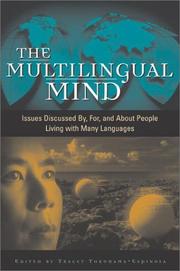
Synthesizes neuroscience, linguistics, and education research to explain how multilingual brains develop. Reading this last ties together everything learned in earlier stages and equips parents to make evidence-based decisions about schooling, literacy, and identity.
Discussion
Keep reading
Paths that share books, cover the same subject, or open a related topic.