Bridgerton books in order: where to start with Julia Quinn
The eight Bridgerton novels are one per sibling in alphabetical birth order — Anthony, Benedict, Colin, Daphne, Eloise, Francesca, Gregory, Hyacinth — but they were not published in that order, and the Netflix adaptation follows a third order again. This path uses publication order, which is the order the running gossip-column plot and the Lady Whistledown mystery actually unfold in. It then adds the epilogue collection and the Rokesby prequels, which are set two generations earlier.
The first four Bridgertons
BeginnerRead the four novels that establish the family, the ton and the Whistledown thread.
▸ Study plan for this stage
Pace: 3 weeks for about 1,620 pages — The Duke and I (432), The Viscount Who Loved Me (392), An Offer from a Gentleman (400) and Romancing Mister Bridgerton (396). These are fast, dialogue-heavy Regency romances and 120 pages an evening is unremarkable, so the constraint is stamina rather than difficulty.
- The one-sibling-per-book structure and the alphabetical birth order — Anthony, Benedict, Colin, Daphne, Eloise, Francesca, Gregory, Hyacinth — which is not the publication order the series was written in
- Lady Whistledown's society column as a framing device: each chapter opens with an excerpt, and the excerpts are also the clue trail
- Regency romance conventions Quinn is working inside — the ton, the season, the marriage mart, the compromising situation, the guaranteed happy ending
- The family as the real continuing character: Violet, the Bridgerton house, and the running jokes (Pall Mall, the Bridgerton nose) that carry across books
- The fake-courtship, enemies-to-lovers, Cinderella and friends-to-lovers plots as four distinct romance templates deployed in sequence
- How the Whistledown mystery is seeded across four novels and paid off in the fourth — and why the payoff needs the first three
- Where Quinn's books and the adaptation diverge, particularly on the Duke and I scene and on the ordering of the siblings
- How does Quinn use the Whistledown excerpts — as comedy, as exposition, as clue, or all three — and does the balance shift across the four books?
- The Duke and I's central conflict is a secret about children. How does the novel frame the scene in which Daphne acts on it, and what does the framing ask of the reader?
- The Viscount Who Loved Me is often named the best of the eight. What is it doing that The Duke and I is not?
- An Offer from a Gentleman is the most fairy-tale of the four. Where does the Cinderella structure strain against a Regency setting with real servants in it?
- Having read the reveal in Romancing Mister Bridgerton, go back: how early is it actually solvable, and on what evidence?
- Keep a Whistledown clue log from book one: copy out every column excerpt that could bear on the columnist's identity, with the book and chapter, and see how far ahead of the reveal your list gets you
- Chart the Bridgerton siblings by name, birth order and book number on one sheet, and add a column for the Netflix season each was adapted as — you will need it to keep publication order straight
- Read the disputed scene in The Duke and I, then write down how the narration positions it: whose point of view, what the prose calls it, what the next chapter does with it
- Track one running family joke — Pall Mall, the nose, Violet's matchmaking — across all four books and note how Quinn refreshes it each time
- Before starting book four, write your guess at Whistledown's identity and your reasoning; check it against the reveal
Next up: The first four build the family, the ton and the Whistledown scaffolding; the second four remove that scaffolding and let the individual novels get stranger.
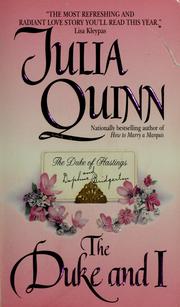
Daphne and Simon, the fake-courtship novel that opens the series and the basis for Netflix season one. Note for readers coming from the show: one scene in the book is substantially different and is widely discussed as a consent issue.
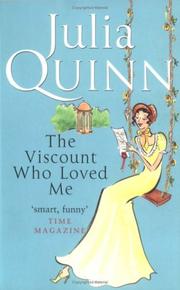
Anthony and Kate, adapted as Netflix season two. Many readers rate it the best in the series; read it second regardless, because the Whistledown plot is cumulative.

Benedict and Sophie, a Cinderella retelling and the most fairy-tale of the eight. Not yet adapted, which is one reason it is often skipped and should not be.

Colin and Penelope, and the book that resolves the Lady Whistledown mystery running under all four. Netflix used it for season three, jumping ahead of book order — read it in position four and the reveal actually works.
The second four
BeginnerFinish the siblings. These are looser and more varied, and the series stops relying on the Whistledown scaffolding.
▸ Study plan for this stage
Pace: 3 weeks for about 1,550 pages — To Sir Phillip, With Love (384), When He Was Wicked (400), It's in His Kiss (368) and On the Way to the Wedding (402). Same fast pace, but the tonal swings are wider than in stage one, so do not read them back to back in a single weekend. To Sir Phillip begins with an
- The series shedding its own device: Whistledown is resolved, so the second four have to stand on individual premises
- Epistolary courtship as a structure — To Sir Phillip's couple are engaged on paper before they meet, which inverts the usual Regency sequence
- Grief inside a genre that guarantees a happy ending, and how When He Was Wicked earns its resolution rather than assuming it
- Tonal sequencing as a deliberate authorial choice: Quinn follows her darkest book with her lightest
- The eldest and youngest problem — Anthony opened the family and Gregory closes it, and closing a family saga is a different job from starting one
- Second-generation setup: these books plant the children and marriages the epilogue collection will later revisit
- How much of a late series book's effect is cumulative — recognising a minor character, a house, a joke — and what that means for reading order
- What does the series lose when the Whistledown thread ends, and how does each of these four compensate?
- To Sir Phillip is called the tonal outlier. Outlying in what direction, and is it the plot or the heroine that makes it so?
- How does When He Was Wicked handle a grieving widow in a genre that requires a second love story, and where does it risk breaking?
- It's in His Kiss is a palate cleanser. Does that make it slight, or is Quinn doing something specific with the diary structure?
- On the Way to the Wedding is the closing book. What does it have to accomplish that none of the other seven did?
- Take one Whistledown-era book and one post-Whistledown book and compare their chapter openings directly — the missing column changes the pacing of every chapter's first page
- In When He Was Wicked, mark the point at which grief stops being the obstacle and starts being the material; write down how many pages Quinn spends before that turn
- Track the Bridgerton siblings' children as they appear across these four books and add them to your family chart; the epilogue collection assumes you know them
- Read To Sir Phillip's letters in sequence, skipping the narrative between them, and see how much of the courtship the correspondence alone carries
- After On the Way to the Wedding, list the loose threads you still want answered — that list is exactly what the next stage was written to satisfy
Next up: With all eight siblings married off and a list of questions in hand, the epilogue collection is the book Quinn wrote in direct answer to readers holding the same list.

Eloise, an epistolary courtship and a widower with two difficult children. The tonal outlier of the eight and the one most affected by having read the first four.
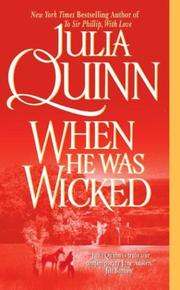
Francesca, and the darkest book in the series — it opens with a death and takes grief seriously. Often named the best-written of the eight.
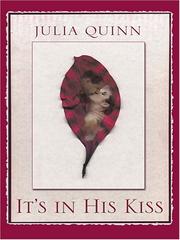
Hyacinth and a coded diary treasure hunt. Lighter, and a deliberate palate-cleanser after the previous novel.
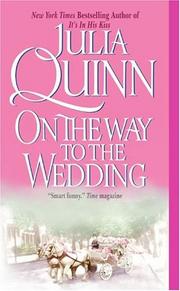
Gregory, the youngest, and the book that closes the series. It only lands with the full family in your head, so read it eighth.
The epilogues
BeginnerThe collection written to answer what readers kept asking.
▸ Study plan for this stage
Pace: A week, and a short one. This is a collection of second epilogues for all eight couples plus a novella about Violet, the Bridgerton mother, and it is designed to be read in pieces — one couple per sitting, in the order of the novels. It is not a standalone book and it has no plot of its own; it is c
- The second epilogue as a publishing form: material written after the fact in response to readers who wanted more of couples already resolved
- What a romance is understood to owe its readers after the happy ending, and what these pieces choose to show — children, illness, ageing, arguments
- Violet as the series' quiet centre, finally given her own story rather than functioning as a matchmaking device
- The mechanics of retroactive continuity: filling in years the novels skipped without contradicting them
- Which couples needed a second epilogue and which did not, and what that tells you about how the novels ended
- Reading order as a hard constraint — the collection is unreadable in any position but last
- How a long series manages its own afterlife, and why this book exists at all
- Which of the eight second epilogues actually adds something, and which merely extends a scene?
- What does the Violet novella tell you that reframes the eight novels, and does it change any of them retroactively?
- These were written after the series. Where can you see the later hand — in the prose, the concerns, or the choice of scene?
- What does a second epilogue imply about the sufficiency of the first one?
- Does the collection close the series, or does it reopen it?
- Read each second epilogue immediately after rereading the last chapter of its own novel, rather than reading the collection straight through; the join is the point
- For each couple, write one line on what question the epilogue answers, then check that against the loose-thread list you made at the end of the previous stage
- Read the Violet novella and go back to her matchmaking scenes in the first four books, noting which now read differently
- Rank the eight second epilogues by how necessary they feel, and write a sentence on what the top and bottom of your list have in common
Next up: With the main family fully closed off, the next stage goes back two generations to the household next door, where the surnames you now know appear as ancestors.

Second epilogues for all eight couples plus a novella about Violet, the mother. Comprehensively spoils every novel above, so read it only after finishing them.
The Rokesbys: the prequel quartet
BeginnerGo back two generations to the family next door.
▸ Study plan for this stage
Pace: 2 weeks for about 690 pages — Because of Miss Bridgerton (304) and The Girl with the Make-Believe Husband (384). Both are shorter and quicker than the main-series novels. Because of Miss Bridgerton is set a generation before the Bridgerton books and pairs Billie Bridgerton with George Rokesby, the f
- Prequel logic in a family saga: the pleasure is recognition, and Quinn writes for readers who already know which surnames matter
- The Rokesbys as a mirror family — the neighbours, with their own birth-order structure, deliberately echoing the Bridgerton arrangement
- Childhood-rivals-to-lovers as a template that only works when the couple have a shared history the reader can be told about rather than shown
- History as more than wallpaper: the American Revolution in the second book constrains the plot rather than decorating it, which is unusual for the genre
- Amnesia and the marriage of convenience as two stacked romance devices, and how Quinn keeps them from cancelling each other out
- Generational continuity: manners, estates and family jokes that will recur two generations later in the main series
- What a prequel can and cannot do when the reader already knows the family survives
- Which details in Because of Miss Bridgerton are planted for readers of the main series, and would the book work without them?
- How does the Rokesby family structure mirror the Bridgertons, and where does Quinn deliberately break the parallel?
- The Girl with the Make-Believe Husband has an actual war in it. What does the historical setting cost the romance, and what does it give it?
- Does knowing the Bridgerton future reduce the tension of the prequels, or redirect it?
- Compare the prose of these two with the earliest Bridgerton novels: what has changed in Quinn's writing between the start of the Bridgerton series and the Rokesby prequels?
- Add the Rokesbys to your family chart as a second column beside the Bridgertons, matched by birth position, and mark every cross-family connection the books name
- Note every mention of a Bridgerton ancestor in Because of Miss Bridgerton and trace each forward to the main-series character who descends from them
- In The Girl with the Make-Believe Husband, list every plot point that depends on the war being real — occupation, supply, disease, troop movement — and see what would collapse if the setting were peacetime England
- Compare a courtship scene from Because of Miss Bridgerton with one from The Duke and I and describe the differences in pacing and dialogue rhythm
Next up: Having seen Quinn's voice work with a family saga underneath it in both directions, the last stage removes the saga entirely.
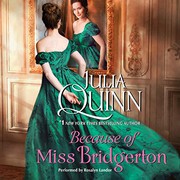
Billie Bridgerton and George Rokesby, set a generation before the main series. Standalone, but far more enjoyable once you can spot the ancestors.

The Rokesby brother in New York during the American Revolution — the most historically situated book Quinn has written, and a marriage-of-convenience plot with a real war behind it.
Elsewhere in Quinn
IntermediateOne book outside both families, for readers who want more of the voice.
▸ Study plan for this stage
Pace: About a week for 368 pages. The Secret Diaries of Miss Miranda Cheever is the first Bevelstoke novel and stands entirely outside both families. It is built on a diary Miranda begins keeping in childhood, with dated entries running through the book, and the courtship is a long slow-burn from unrequit
- The diary as structure — dated entries let Quinn compress years and show a character's self-knowledge changing without a narrator saying so
- Unrequited love over a long span, which requires a different pacing engine from the compressed courtships of the Bridgerton books
- Quinn's dialogue as the actual mechanism of her romances, visible here because no family ensemble is sharing the load
- A standalone series opener: how much world-building a romance needs when there is no established household to inherit
- The friend's-brother premise and its Regency-specific complications of reputation and proximity
- What is recognisably Quinn independent of the Bridgertons — the comic timing, the interior monologue, the heroine who is funnier than she is beautiful
- How a series voice survives being detached from the series
- What does the diary do that a third-person narration could not, and where does Quinn lean on it hardest?
- How does a years-long unrequited attachment change the pacing compared with a single-season Bridgerton courtship?
- Without the family ensemble, what is carrying the comedy — and does it carry as well?
- Is this recognisably the same author as The Viscount Who Loved Me? Point to specific evidence.
- Having finished the path: what is Quinn's most reliable device, and which book uses it best?
- Read only Miranda's diary entries first, in sequence, and write down the story they alone tell; then read the novel and note what the narrative adds
- Mark the entries where Miranda's self-assessment changes and count the years between them — that spacing is the book's structure
- Take a comic exchange from this novel and one from The Viscount Who Loved Me and compare the rhythm line by line, ignoring plot
- Close the path by writing a paragraph ranking all the books you have read here on one criterion of your choosing, citing a scene from each of at least four
Next up: This ends the path: eight Bridgertons in publication order, the epilogues that close them, the prequel generation, and one standalone that shows the voice working with nothing to lean on.
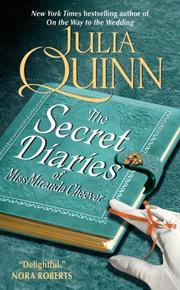
The first Bevelstoke novel, built on a diary kept from childhood. Read last: it shows the same comic register working without a family saga underneath it.