Josephine Tey books in order: where to start with Inspector Alan Grant
A short, strange, near-perfect body of work — eight crime novels, several of which barely behave like crime novels at all. The 1927 debut is the weakest and the conventional place to start, which is why this path does not start there.
Start here
BeginnerBegin with the two that are unlike anything else in the genre.
▸ Study plan for this stage
Pace: Two weeks. The Daughter of Time is 207 pages and The Franchise Affair 288, and both read quickly — but The Daughter of Time is an argument rather than a plot, so read it in short sessions of thirty or forty pages and give yourself time to disagree with it. Read it first: it is the book that will tel
- Inspector Alan Grant flat on his back in hospital with a broken leg, investigating a fifteenth-century murder from portraits and library books
- The Richard III case: the princes in the Tower, the Tudor sources, and Tey's contention that the accepted account is propaganda
- 'Tonypandy' — Tey's coinage in this novel for a historical falsehood that everyone accepts because everyone repeats it
- Historians dispute her conclusions, and Thomas More's evidence is treated far less dismissively by modern scholarship than Grant treats it. The novel remains a masterpiece of argument regardless
- The Franchise Affair's premise: two women are accused by a teenage girl of imprisoning and beating her, and the whole town believes the girl
- The eighteenth-century Elizabeth Canning case, which Tey transposes almost intact
- Robert Blair, a country solicitor, as narrator — Grant is barely present, which is normal for this series
- Tey's class assumptions, which are strong and unexamined, and which do real work in The Franchise Affair's account of who is believable
- The Daughter of Time is a detective novel with no detection, no crime scene and no living suspects. What supplies the suspense?
- What is Tonypandy, and can you name a modern example of one? The novel is asking you to.
- Where is Grant's reasoning weakest, and does Tey give an opposing voice anywhere in the book?
- In The Franchise Affair, the town's conviction is the antagonist. How does Tey dramatise a collective belief without a villain?
- The Sharpes are believed to be innocent partly because of who they are. Is Tey aware of that, and does the novel underwrite the assumption or expose it?
- Read The Daughter of Time with a pen and mark every piece of evidence Grant accepts and every one he rejects. Then look up one modern historian's summary of the princes and see which of Grant's rejections has held up.
- Find a reproduction of the National Portrait Gallery Richard III that the novel starts from and look at it before Grant does. The book's whole method rests on a face, and having your own reaction first makes the opening chapters much sharper.
- Read a summary of the Elizabeth Canning case, then reread the first fifty pages of The Franchise Affair and mark every detail Tey has carried over intact.
- Write down, before the reveal, what you think happened to Betty Kane. The Franchise Affair is fairly clued and it is worth testing yourself against it.
Next up: You have seen Tey build suspense out of argument and out of public opinion; the next book builds it out of nothing but sympathy for a fraud.
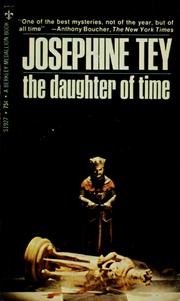
A detective in hospital with a broken leg investigates whether Richard III murdered the princes in the Tower, using only books. Historians dispute her conclusions and the novel remains a masterpiece of argument.
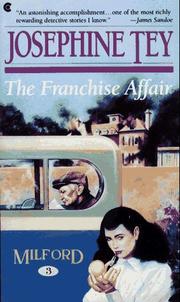
Two women are accused by a teenage girl of imprisoning her, and the whole town believes her. Based on the eighteenth-century Elizabeth Canning case, and uncomfortably relevant.
The impostor novel
BeginnerThe one that is not really a mystery at all.
▸ Study plan for this stage
Pace: One week, 254 pages. Brat Farrar reads faster than its length suggests and the tension builds steadily, so this is the one book on the path where reading it in two or three long sittings is the right approach — the suspense is cumulative and thins out if you put it down for days.
- A young man coached to impersonate the missing heir to an English estate, and a reader placed on his side from the first chapter
- Suspense generated entirely by sympathy rather than by threat: you want the fraud to succeed
- The Ashby family and the horse-breeding estate, rendered with the specificity Tey reserves for worlds she liked
- Brat's own knowledge of horses as the thing that makes the imposture plausible and the thing that will expose him
- The twin, and the way the novel's real crime is disclosed sideways rather than investigated
- Almost no detection: there is no policeman in the book, and the mystery resolves through character rather than through method
- Tey's recurring interest in identity claims — this and The Franchise Affair and The Daughter of Time are all about whether a story about a person is true
- At what point did you start hoping Brat would get away with it, and what did Tey do to produce that?
- The novel withholds the actual crime for a long time. When did you work out what had happened, and on what clue?
- How does Tey make the estate and the horses matter to the plot rather than being background?
- Compare Brat with Betty Kane in The Franchise Affair: both are performing an identity. Why does the novel forgive one and not the other?
- There is no detective here. Does the book lose anything by it?
- Mark every moment Brat is nearly caught and note who nearly catches him. The distribution across the family is a character study conducted through near-misses.
- Stop halfway and write one sentence predicting the ending. Tey is playing fair and the prediction is a fair test of that claim.
- List the facts Brat has been taught and the facts he genuinely knows. The boundary between the two is where every scene of tension lives.
- Reread the opening chapter after finishing. The coaching scene reads completely differently once you know what the estate is hiding.
Next up: Three books in, you know why publication order is the wrong order for Tey — and you can now go back to the debut without it damaging your view of her.

A young man is coached to impersonate the missing heir to an English estate, and the reader is on his side. The suspense comes entirely from sympathy.
The Alan Grant books
IntermediateThe series proper, including the debut you were told to skip.
▸ Study plan for this stage
Pace: Two weeks. The Man in the Queue is 247 pages and The Singing Sands 235. The debut is the slowest reading on this path because it is the most conventional and the least well-made; allow a week and do not be alarmed if it drags. The Singing Sands is much better and can be read in three or four sitting
- The Man in the Queue as Tey's first crime novel, published under the name Gordon Daviot before Josephine Tey existed as a byline
- A man stabbed while standing in a theatre queue — a strong premise served by conventional Golden Age plotting
- Grant's method here: legwork, coincidence and a solution that arrives from outside the investigation, which is exactly why the book is ranked last
- Period prejudice in the debut's descriptions of foreigners and of Jewish characters, which is present and ugly and worth naming rather than skipping past
- The Singing Sands as her final novel, published after her death in 1952
- Grant ill and on leave in Scotland, with a nervous breakdown and claustrophobia given real weight — the most interior treatment of him in the series
- The dead man on the sleeper train and the fragment of verse he leaves, which is the whole engine of the plot
- The series' shape overall: six Grant novels across a career, with Tey plainly bored by procedure and interested in everything else
- What specifically is wrong with the debut's solution, and is it a failure of construction or of nerve?
- How much of Grant's character exists in The Man in the Queue, and how much was invented later?
- In The Singing Sands, Grant's illness is a plot element rather than colour. What does it let Tey do with the investigation?
- The verse fragment functions as a clue, a theme and a title. Does it carry all three loads?
- Read these two together and the twenty-odd years between them are visible. Name the two clearest developments in Tey's handling of a detective.
- Read the debut's solution, then go back and find whether the necessary information was available to you. Write down your verdict; this is the concrete test of the claim that publication order is the wrong order.
- Track Grant's psychological state through The Singing Sands chapter by chapter in one-line notes. It moves steadily, and the movement is the real plot.
- Set The Man in the Queue's opening beside The Daughter of Time's opening. Same detective, same author, and the difference in what she thinks a detective novel is for.
- Note the passages in the debut that a modern reader would flag, and decide for yourself how you would describe the book to someone else. Recommending Tey honestly requires having done this.
Next up: One book remains, and it is the one that shows how far outside the genre Tey was willing to go while still calling it a crime novel.

The 1927 debut — a man stabbed in a theatre queue. Conventional and much the weakest, which is why it is here rather than first.

Her last novel, published after her death. Grant, ill and on leave in Scotland, finds a dead man on a train.
The school novel
IntermediateFinish with the odd one out.
▸ Study plan for this stage
Pace: One week, 235 pages. Miss Pym Disposes is slow for its first half — a college term with almost no crime in it — and then turns. Read the first half at a leisurely pace over four or five days and the last quarter in one sitting.
- Leys, a physical training college for women, and a closed institutional world Tey draws with unusual affection and precision
- Lucy Pym, a popular psychology author invited to lecture, entirely out of her depth and entirely sure she is not
- An accident that may not be one, and a novel that spends most of its length before any crime occurs
- The title's meaning: Miss Pym disposes, and the decision she makes near the end is the book's actual subject
- A heroine who makes exactly the wrong choice for defensible reasons, which is rare in Golden Age crime and rarer still in a sympathetic protagonist
- Almost no detection, no police, no Grant — the furthest Tey travels from the genre while remaining inside it
- Elizabeth Mackintosh behind both pen names: Josephine Tey for crime, Gordon Daviot for the plays, and a career that treated the crime novels as the lesser work
- Is Miss Pym Disposes a crime novel? Argue it either way using the structure rather than the content.
- What exactly does Lucy get wrong at the end, and does the novel believe she had enough information to get it right?
- Tey spends half the book on college routine — gymnastics, examinations, the demonstration day. What is that half doing?
- How does Lucy's amateur psychology function: as satire on her, on the discipline, or on the reader's confidence in character judgement?
- Having read all six, which is the best book and which is the best introduction — and are they the same?
- Tey wrote eight crime novels and thought the plays mattered more. On this evidence, was she wrong?
- Note the page on which the first genuinely suspicious event occurs. Then calculate what proportion of the book precedes it, and decide whether any other crime novel you have read does the same.
- Write down Lucy's decision in one sentence and then argue the opposite case in three. Tey has constructed the ending so that both are available, and doing the exercise is how you find that out.
- Reread the demonstration-day chapter after finishing. It contains the mechanism and reads as pure atmosphere the first time.
- Rank all six books on this path by quality and separately by how well they would introduce a new reader. Where the two lists differ is precisely the argument this path was making about publication order.
- Write one paragraph explaining to a friend why they should not start with The Man in the Queue. If it is convincing, the path has done its job.
Next up: The remaining Grant novels — A Shilling for Candles and To Love and Be Wise — now read as minor variations on habits you can recognise, and the Gordon Daviot plays are the obvious next step for anyone curious about what she thought her real work was.
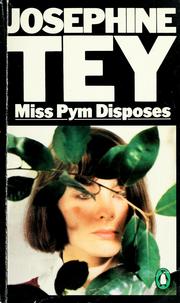
A physical training college for women, an accident that may not be one, and a heroine who makes exactly the wrong decision. Almost no detection and a superb book.