John McGahern Reading Order: Where to Begin with Ireland's Quiet Master
McGahern wrote six novels in forty years, one of which got him sacked from his teaching job and banned in Ireland, and they are best read as a single slow accumulation about the same few square miles. The prose is plain to the point of severity and the effect is entirely cumulative.
Start here
IntermediateBegin with the novel that is his best and his most concentrated.
▸ Study plan for this stage
Pace: One to two weeks, 192 pages. Amongst Women is short but it is not fast — it is built out of repeated seasonal rituals rather than events, and reading it in one gulp flattens exactly what makes it work. Twenty to thirty pages a sitting over eight or nine days is right.
- Michael Moran, an old IRA flying-column veteran, ruling his daughters in a midlands farmhouse called Great Meadow
- The recurring Monaghan Day visit and the yearly Rosary as structural devices: the novel is organised by repetition, not plot
- The daughters as a collective — the book keeps returning to 'the girls' as a single unit, and the effect is deliberate
- The son who will not come home, and absence as the strongest presence in the house
- The War of Independence as a private grievance rather than a national story: Moran's politics are entirely about what he was owed
- The plain sentence — McGahern removes almost every effect, and the power is cumulative rather than local
- Booker shortlisting in 1990 and the late-career recognition it brought
- Moran is a tyrant and the novel is not an indictment. How does McGahern hold both, and where does he come closest to judgement?
- Why does the book open with the daughters trying to revive their father with a ritual, and what does starting at the end do to everything after?
- The girls are frequently a plural rather than individuals. When does McGahern separate them, and what is the separation for?
- What does Moran's IRA past actually amount to in the novel, and how does he use it in the house?
- There is almost no metaphor in this book. Find one and explain why it survived.
- Mark every occurrence of the Rosary and of Monaghan Day and list them in order. The list is the novel's skeleton and it is not obvious while reading.
- Pick a single page at random and count the adjectives. Then do the same for a page of any contemporary literary novel on your shelf. The comparison is the fastest way to see what McGahern's plainness costs and buys.
- Write down what changes for each daughter across the book in one line each. Some lines will be very short, and that is the finding.
- Read the last two pages aloud. The rhythm shifts at the close and it is audible rather than visible.
Next up: With McGahern at his most controlled behind you, the early novels show the same world before he had pared the prose back — including the book that got him banned.
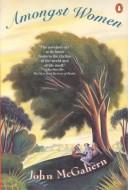
Moran, an old IRA veteran, ruling his daughters in a midlands farmhouse. Booker-shortlisted, under two hundred pages, and there is not a wasted sentence in it.
The early novels
IntermediateGo back to the first two, including the one that got him banned.
▸ Study plan for this stage
Pace: Two to three weeks. The Barracks is 232 pages and The Dark 191. Read The Barracks first over about ten days — it is slower and more interior than anything else here — then The Dark, which is short and grim and best taken in three or four sittings. The Barracks is McGahern's 1963 debut.
- Elizabeth Reegan, a policeman's wife dying of cancer in a rural Garda barracks, and a first novel narrated almost entirely from inside a woman's consciousness
- The barracks as an institution: the sergeant, the routine, the pension, and the way state employment shaped rural Irish life
- Elizabeth's time in London as a nurse, which supplies the novel with an outside and a lost alternative
- The Dark's unnamed boy, his violent father, and the seminary that offers the only exit
- Second-person narration in stretches of The Dark, and the distancing it produces
- The 1965 banning by the Irish Censorship Board, McGahern's dismissal from his teaching post, and the years abroad that followed
- What was actually objected to: the sexual content, and separately the Archbishop's objection to his marriage in a registry office
- Why does a young male novelist write his first book from inside a dying woman's head, and does the ventriloquism hold?
- How much of The Barracks is domestic routine, and what does McGahern gain by giving routine so much of the page?
- The Dark moves between first, second and third person. Track the switches — what governs them?
- Reading The Dark now, is it obvious what was found unpublishable, or does the offence look period-specific?
- Moran in Amongst Women and the father in The Dark are recognisably related. What did McGahern learn in the twenty-five years between them?
- Read the opening chapter of The Barracks and the opening chapter of Amongst Women together. Both put a family in a kitchen with a difficult man; note precisely what the later book has removed.
- Mark every switch of person in The Dark and write the page numbers in a list. Then check whether the switches correspond to subject matter, and say what the correspondence is.
- Look up the Irish Censorship of Publications Board's remit in the 1960s, then find the passages in The Dark you think triggered it. The gap between what you expect and what you find is instructive.
- Read Elizabeth's London recollections consecutively, skipping the barracks material. They form a short second novel inside the first.
Next up: The banning and the sacking are the raw material of the next novel, which McGahern wrote directly out of what had happened to him.
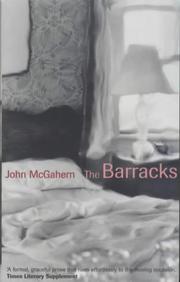
A policeman's wife dying of cancer in a rural Garda barracks. His first novel and remarkably assured; our record shortens the title and credits a French translator.

A boy, his violent father, and a seminary. Banned in Ireland in 1965, which cost McGahern his teaching post and drove him out of the country for years.
The later novels
IntermediateThe book about the sacking, and the last and gentlest one.
▸ Study plan for this stage
Pace: Three weeks. The Leavetaking is 176 pages and reads in a few sittings; That They May Face the Rising Sun is 314 pages and is the slowest book McGahern wrote — deliberately so, since almost nothing happens in it. Give the second one two full weeks at twenty pages a sitting and resist the urge to look
- The Leavetaking's single day: a teacher waiting to be dismissed for marrying outside the church, drawn directly from McGahern's own dismissal
- The two-part structure — the mother's death in part one, the marriage in part two — and the seam between them
- McGahern's substantial 1984 revision of the second half, which he thought overwritten; if your edition is the revised one, it is a different book from the 1974 text
- That They May Face the Rising Sun as the summation: a year in a lakeside community, organised by seasons and visits rather than by incident
- The title's meaning, taken from the direction of burial, and the way the novel arrives at a funeral as its only real event
- The US title By the Lake, and the fact that the two names describe genuinely different emphases
- Talk as the substance of the late novel — the neighbours' conversation is the book, and McGahern's ear for it is the achievement
- The Leavetaking is autobiography barely displaced. Does knowing that strengthen it or reduce it?
- Why does McGahern put the mother's death in the same novel as the marriage, and what does the juxtaposition claim?
- In That They May Face the Rising Sun, who is the protagonist — the Ruttledges, or the community?
- A novel in which almost nothing happens still has to generate momentum. Identify what supplies it here.
- The last novel is gentle where the first three are severe. Is that a change of view or a change of subject?
- Check the copyright page of your Leavetaking for whether it is the 1974 or the revised 1984 text, and read McGahern's own preface if your edition carries it. He explains the revision himself.
- In That They May Face the Rising Sun, keep a list of who visits the Ruttledges and how often. The social structure of the book is a visiting pattern and it only shows as a tally.
- Read the funeral sequence, then reread the opening chapter the same day. The novel is circular and the return is the design.
- Set the schoolroom scenes of The Leavetaking against the seminary in The Dark. Both are institutions McGahern passed through and both are written from inside the trap.
Next up: Six decades of fiction have now covered the same few square miles; the memoir shows how much of it he did not have to invent.
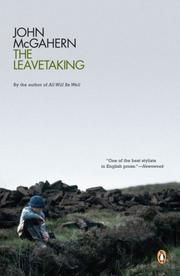
A teacher on the day he expects to be dismissed for marrying outside the church, drawn directly from what had happened to him.

A year in a lakeside community in which almost nothing happens. It is the summation of everything he did, and the least dramatic novel imaginable.
The memoir
IntermediateFinish with the autobiography, which shows how little he invented.
▸ Study plan for this stage
Pace: Two weeks, 288 pages. Memoir is readable at thirty pages a sitting, but it works best read against the novels rather than straight through — plan to stop after each major section and go back to whichever book it illuminates. It was published a year before McGahern's death in 2006 and appears in the
- His mother, a schoolteacher who died when he was nine, and the walks to school that open and close the book
- His father, a Garda sergeant in a barracks, and the barely-mediated distance between him and the fathers in the fiction
- The lanes and fields of Leitrim and Roscommon as the same ground the six novels occupy
- The promise made to his mother, and the way it organises the memoir's emotional arc
- Reading Memoir last: it converts the fiction from invention into arrangement, which is a genuine loss as well as a gain
- McGahern's own account of the censorship years and the dismissal, set against The Leavetaking's fictional version
- The plainness at its most exposed — the same sentences, with no character to carry them
- Which of the novels does Memoir change most, and in which direction?
- The father of the memoir and the fathers of the fiction differ in specific ways. Name two and say what the fiction was doing with the difference.
- Does reading a writer's memoir last protect the fiction or damage it? Argue from this case.
- McGahern gives the sacking a few pages. The Leavetaking gives it a novel. What does each form do that the other cannot?
- Having read all six, which single book would you hand to a reader with time for one, and has that changed since stage one?
- Read the memoir's account of his mother's death, then reread Elizabeth's decline in The Barracks. The relation between them is the single most useful thing this path can show you.
- List every place name that appears in both Memoir and the novels. The overlap is nearly total and the list makes the point better than any assertion.
- Reread the last two pages of Amongst Women and the last two pages of Memoir together. Both are endings about the same landscape by the same hand, thirteen years apart.
- Write a paragraph recommending McGahern to a reader who dislikes plotless novels. Getting that paragraph right is the real test of whether the path worked.
Next up: With the fiction and the life both read, the Collected Stories become the obvious next shelf — the same fields in short form, and several of the novels' scenes in earlier drafts.
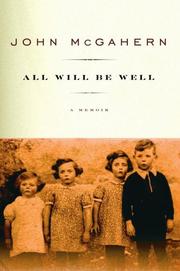
His mother, his father, and the same few fields. Published a year before his death, and it makes every one of the novels read differently.