Horse Care and Stable Management: The Best Books to Read, in Order
The good books on horse care are manuals and reference works rather than narrative, and the sequence that matters is the order in which the decisions arrive: whether you can keep a horse at all, then the buildings and fencing, then the daily routine, then feed, then health. Cherry Hill and the Storey list dominate the practical end for good reason, and this path leans on them, adding the British Horse Society manual for a second national convention and two veterinary references you will keep for years.
Before the Horse Arrives
BeginnerWork out honestly whether your land, time and budget can support a horse, and what the real annual cost and workload look like.
▸ Study plan for this stage
Pace: 3-4 weeks of reading, but the decisions take a season. Horsekeeping on a Small Acreage is 256pp and Storey's Guide to Raising Horses 512pp; Cherry Hill's Horsekeeping Almanac is organised month by month (the catalogue record carries no page count) and is meant to be consulted across a year rather th
- Carrying capacity: how much land a horse actually needs in your climate and soil, and what overgrazing looks like
- Pasture rotation, manure management and water supply as the three property problems that never go away
- Property layout — gates, lanes, turnout, storage — and why layout mistakes are expensive and permanent
- The real annual cost: feed, farrier, vet, bedding, insurance, and the maintenance nobody budgets for
- The daily and seasonal time commitment, which the almanac converts from an abstraction into a calendar
- Horse selection and suitability — temperament, age and training level against your actual experience
- Keeping at home versus boarding, and the honest comparison
- How many acres of usable pasture does a horse need where you live, and what does Hill say happens when you undershoot?
- What are the recurring annual costs, and which of them are fixed regardless of how many horses you keep?
- Looking at the almanac's month with the heaviest workload, can you actually supply those hours?
- Which property decisions are effectively irreversible once made, and how does Hill suggest sequencing them?
- For a first horse, what does the Storey guide say to prioritise in selection — and how does that differ from what buyers usually prioritise?
- Draw your actual land to scale and lay out paddocks, gates, water, muck heap and shelter following Hill's design principles. Doing this on paper is the cheapest mistake you will ever make.
- Build a twelve-month budget and a twelve-month time log from the almanac's chore calendar, using real local prices for hay, bedding, farrier and vet. Then decide again.
- Work out your land's carrying capacity from Hill's method and compare it against the number of horses you were imagining. The gap is usually instructive.
- Visit a boarding yard and a home setup and price both against your budget. Hill is clear that this comparison is a real decision, not a formality.
Next up: Having decided the horse is possible, the next set of decisions is physical and expensive — shelter, fencing and footing — and the mistakes are made in concrete.
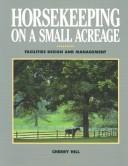
Cherry Hill's foundational book on designing and managing a small horse property — pasture rotation, manure, water, layout. Read it before buying anything, because most expensive mistakes in horsekeeping are property decisions made early.

The whole year laid out month by month: vaccination and worming schedules, pasture management, seasonal chores. Second because it converts the previous book's principles into a calendar you can actually check against your own time.
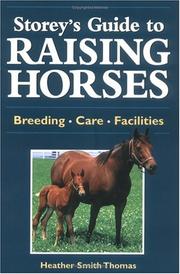
The broadest single-volume reference on the list, covering selection, handling, breeding and health. Keep it as the default place to look something up once the two Cherry Hill books have set your routine.
The Buildings and the Fencing
BeginnerPlan or assess stabling, turnout, fencing and footing, and understand ventilation, drainage and the fire and injury risks a barn carries.
▸ Study plan for this stage
Pace: 4-5 weeks. Stablekeeping is 153pp, Horse Housing 201pp and Horse Stable and Riding Arena Design 308pp. Read Stablekeeping first for the welfare principles, Horse Housing second with a specific site in mind — it is the book to hand a contractor — and Wheeler's book only if you are actually building,
- Ventilation as the primary welfare issue in stabling: air changes per hour, and why a sealed warm barn causes respiratory disease
- Stall size, flooring and bedding, and the trade-offs between comfort, drainage and labour
- Fencing by type — post and rail, electric, mesh, wire — with injury risk and maintenance cost for each
- Drainage and footing for turnout, tracks and arenas, and why footing is a constructed material rather than a surface
- Fire risk in barns: hay storage, electrics, exits, and the design decisions that mitigate it
- Run-in sheds and full-turnout systems as a legitimate alternative to stabling, often better for the horse
- Manure handling at volume — a horse produces far more than beginners expect, and the muck heap needs designing
- What ventilation rate does a stabled horse need, and how would you tell by eye and by nose whether a barn is achieving it?
- Rank the common fencing types by injury risk and by lifetime cost, using the three books. They do not entirely agree.
- What makes good arena footing, and which of Wheeler's specifications would you actually have to give a contractor?
- Where does Stablekeeping's welfare-first reasoning lead to a different design from a builder's plan?
- What are the three commonest barn fire causes, and what design choices address each?
- Walk any barn you have access to and audit it against Stablekeeping — ventilation, footing, exits, hazards, tie points. Write the list. You will not look at a barn the same way again.
- Specify a two-horse shelter completely from Horse Housing: dimensions, materials, drainage, cost. Even if you never build it, the exercise makes every subsequent quote legible.
- Price your chosen fencing over a twenty-year horizon including maintenance, using the figures in Horse Housing as a starting point, and compare against the cheapest option.
- Take one of Wheeler's ventilation or drainage calculations and run it for a building you know. The engineering treatment is only useful once you have applied it once.
Next up: With the horse housed, the actual daily work begins, and most of the hours of horse ownership go into a handful of handling tasks.
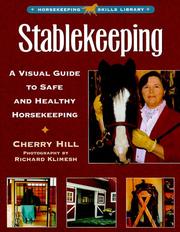
The stable-specific companion to the acreage book: stall design, bedding, ventilation, tack room and daily barn management. Start the stage here because it is written from the horse's welfare outward rather than from the builder's plan inward.
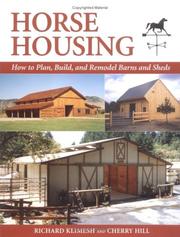
Klimesh and Hill on the construction side — barns, run-in sheds, materials, costs. Read it second, with a specific site in mind; it is the book to hand a contractor.

The engineering-grade treatment: ventilation rates, footing composition, drainage, lighting and manure handling. Denser than the other two and worth it if you are building rather than adapting.
Daily Handling and Routine
BeginnerHandle, groom, lead, tie and turn out safely, and understand equine behaviour well enough that routine handling stops being a negotiation.
▸ Study plan for this stage
Pace: 3-4 weeks of reading, but the skills take months. None of the three books here carries a page count in the catalogue: Horse Handling and Grooming and How to Think Like a Horse are both compact Storey-format practical books, and The Manual of Horsemanship is the Pony Club and British Horse Society st
- Catching, haltering, leading, tying and turning out safely — the tasks that fill most of the actual hours
- Grooming, clipping and bathing as both husbandry and daily health inspection
- Equine vision, hearing and flight response, and why a horse reacts to things you cannot see
- Herd behaviour and hierarchy, and what that implies about handling and turnout groups
- Learning theory as Hill presents it — pressure and release, timing, and why late timing teaches the wrong thing
- Safe positioning: where to stand, where not to, and the routine habits that prevent most injuries
- British versus American convention — the BHS manual and the Cherry Hill books differ on real points of practice, and telling settled fact from regional habit is the skill
- Why does timing matter more than force in pressure-and-release, and what does Hill say a late release teaches?
- What can a horse see, and where are its blind spots? Trace the handling rules that follow directly from the answer.
- Where do the BHS manual and the Cherry Hill books disagree on a specific practice, and can you tell which is convention and which is evidence?
- What does a proper daily grooming session tell you about the horse's health before anything is wrong?
- How should turnout groups be composed, and what does herd behaviour predict about introducing a new horse?
- Work through the handling book task by task — catch, halter, lead, tie, pick out feet, groom — practising each until it is calm and uneventful before moving on. This is the one stage where the reading is worthless without the doing.
- Watch a turnout group for an hour and identify the hierarchy from behaviour alone, then check your reading against How to Think Like a Horse. Getting it wrong is normal and informative.
- Take one procedure — tying, or leading through a gate — and compare how the BHS manual and Cherry Hill describe it. Then decide which you will do and why. Doing this three or four times teaches you the difference between a rule and a habit.
- Time yourself on a full grooming and hoof-picking routine for a week and log what you found each day. The record is how the routine turns into health surveillance.
Next up: Handling gets you to the horse; feeding is where amateur horsekeeping most often goes wrong, and it goes wrong quietly.

The step-by-step on catching, haltering, leading, tying, grooming, clipping and bathing — the tasks that fill most of the actual hours of horse ownership. First because everything else in the routine depends on being able to do these calmly.
Equine senses, herd behaviour and learning, written to explain why the handling techniques in the previous book work. Read it second so the theory arrives attached to tasks you have already tried.

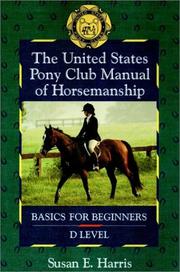
The Pony Club and BHS standard, and the syllabus behind British horse qualifications. Included deliberately as a second national convention: comparing it with the American books shows you which practices are settled fact and which are regional habit.
Feed and Forage
IntermediateBuild a ration from forage first, read a feed tag, and stop overfeeding — the commonest error in amateur horsekeeping.
▸ Study plan for this stage
Pace: 3-4 weeks. Understanding Equine Nutrition is 167pp and The Horse Nutrition Bible 184pp — both short, and neither is technical enough to be slow. Read Briggs first for the digestive physiology, then Bishop with a specific horse, a bodyweight estimate and ideally a hay analysis in front of you, since
- The equine digestive tract: a small stomach, hindgut fermentation, and the near-continuous intake it is built for
- Forage first — hay and grazing as the basis of the ration, with concentrates as a supplement rather than a foundation
- Estimating bodyweight and scoring body condition, which is the input every ration calculation needs
- Energy, protein, fibre, vitamins and minerals, and how requirements shift with workload, age and reproductive state
- Reading a commercial feed tag and working out what you are actually buying
- Overfeeding as the commonest amateur error, and its consequences — obesity, laminitis, colic risk
- Water, salt and the practical realities of feeding through a winter or a drought
- Why does a horse's digestive anatomy make long fasting periods and large concentrate meals both risky?
- How do you estimate bodyweight without a weighbridge, and how accurate is the method?
- What is on a feed tag, and what do the guaranteed analysis figures actually tell you?
- How does the ration change for a horse in hard work versus one at maintenance — give figures from Bishop's worked examples.
- What are the recognised links between feeding practice and laminitis or colic, and which feeding decisions carry the most risk?
- Body-condition-score a real horse and estimate its weight by tape and by formula. Every calculation in Bishop's book starts from these two numbers and both are estimates.
- Build a full ration for that horse from Bishop's worked-example method — forage first, then any shortfall — and compare it with what the horse is actually being fed. The discrepancy is usually the exercise's whole point.
- Get a hay analysis, or find a published one for your region's hay, and recalculate the ration against real figures rather than book averages.
- Take three commercial feed tags and work out, using Briggs, what each is for and what it costs per unit of energy delivered. Marketing and nutrition diverge quickly.
Next up: A well-fed horse in a well-designed barn still gets sick and lame, and the last stage is about recognising it early enough to matter.

The clearest short introduction to how a horse digests, why forage comes first and how to evaluate a commercial feed. The right first nutrition book for an owner rather than a student.

A practical ration-building reference with worked examples by workload, age and condition. Read it second, with a specific horse and a hay analysis in front of you.
Health, and Knowing When to Call the Vet
IntermediateTake vital signs, recognise colic and lameness early, run a first-aid kit, and know which problems are emergencies.
▸ Study plan for this stage
Pace: Ongoing. Horse Health Care is 151pp and Horse Owner's Veterinary Handbook 469pp; The Complete Horse Care Manual is 216pp and heavily illustrated. Read Horse Health Care through first — it teaches the observations that make the reference books usable — then Vogel for the illustrated British treatment
- Normal parameters: temperature, pulse, respiration, gut sounds, mucous membranes, capillary refill — the baseline everything is measured against
- Colic recognition and the small number of signs that make it an emergency rather than a wait-and-see
- Lameness detection and grading, and the basics of locating it before the vet arrives
- Wound care, bandaging and the first-aid kit that should exist before it is needed
- Vaccination, worming and dental schedules, and the shift from calendar worming to faecal egg counts
- Hoof anatomy and daily hoof handling, plus the farrier's cycle and what to look for between visits
- Which problems are genuine emergencies — colic, choke, severe lameness, eye injury, foaling difficulty — and which can wait
- British and American veterinary practice differ on some points, and Vogel and Giffin disagree in ways worth noticing rather than resolving
- What are the normal vital signs for a resting adult horse, and how do you take each one?
- Which colic signs mean call now, and which mean monitor? Answer from Giffin's own thresholds.
- How would you tell forelimb from hindlimb lameness at walk and trot, and how would you grade it?
- What belongs in a horse first-aid kit, and what should never be used without veterinary instruction?
- Name a point on which Vogel and Giffin differ, and work out whether it is a difference of evidence or of national convention.
- Take a full set of vital signs on a healthy horse on ten consecutive days and record them. You are establishing that individual's normal, which is the only baseline that means anything at two in the morning.
- Assemble the first-aid kit from Horse Health Care's list and check the contents and expiry dates quarterly. Doing this before an emergency is the whole exercise.
- Practise looking up three symptoms in Giffin under time pressure — the book is organised by sign for exactly this reason, and being fluent with the index is a genuine skill.
- Watch horses trot up on a hard surface and try to call the lame limb before anyone tells you. Do it repeatedly; lameness detection is a trained eye rather than a piece of knowledge.
- Pick up and examine all four feet daily for a fortnight, noting frog condition, heat and shoe wear against Vogel's illustrations.
Next up: This is the end of the path: from here the learning is with your own horse, your vet and your farrier, and these books become references rather than reading.

The standard owner's veterinary reference, organised by sign and system so you can look up what you are actually seeing. The single most useful book on this path at two in the morning.
The routine side: vital signs, wound care, injections, hoof handling, dental and worming schedules. Read it before you need Giffin, because it teaches the observations that make the handbook usable.
Catalogued as The Complete Horse Care Manual. Vogel is a veterinary surgeon and this is the heavily illustrated British counterpart to Giffin — useful precisely because it disagrees with the American books on a few points of practice.