Goosebumps Reading Order: Where to Start
Almost every Goosebumps book stands alone, so there is no compulsory order — which is exactly why a recommended one is useful. This path starts with the three books that established the formula, moves to the four everyone actually remembers, fills in the strongest of the early run, and finishes with the handful of titles that genuinely continue a previous story. Read in this order you get the series at its best and you never hit a sequel before its original. The original numbered series runs past sixty volumes; these fourteen are the ones worth a child's first fortnight with it.
The first three
BeginnerMeet the Goosebumps formula in the books that invented it, and see how quickly Stine got good at it
▸ Study plan for this stage
Pace: 3 to 5 days for all three — Welcome to Dead House is 144 pages, Stay Out of the Basement 128 and Monster Blood 144, and each is an hour or two at most. Read them in this order and close together, because the point of the stage is to watch a formula being found in real time across three books publish
- Almost every Goosebumps book stands alone, so there is no compulsory order. That is exactly why a recommended one is useful, and this path is built on quality and on setups that later books collect on.
- Welcome to Dead House is book one, from 1992, and is worth starting with for the historical reason and because it is genuinely one of the better ones. The tone lightens almost immediately after it.
- Stay Out of the Basement is the purest example of the engine: an ordinary domestic worry — a father behaving strangely — escalated by stages into a monster reveal.
- The Goosebumps chapter is a unit of about five pages that ends on a scare, and roughly nine times in ten the scare is immediately defused on the next page. Once you see this you cannot unsee it.
- Monster Blood is book three and started the series' only real habit of continuation: the green goo comes back three more times, which is why it sits here rather than later.
- Stine writes to a fixed length, a fixed chapter count and a fixed twist structure, and the interest of reading fourteen of these is watching how much variation a rigid form allows.
- The protagonist is almost always a child who is not believed by an adult. That is the series' actual subject, and the monsters are the delivery mechanism.
- What is the Goosebumps formula, stated in one sentence, by the end of book three?
- How does Welcome to Dead House differ tonally from the two that follow it, and why might Stine have moved away from that register?
- In Stay Out of the Basement, at what point does the ordinary explanation stop being available? Name the chapter.
- Count the chapters in one of these books and count how many end on a scare that turns out to be nothing. What is the ratio?
- Who disbelieves the protagonist in each of the three books, and what does the series get from making it an adult every time?
- Take one of the three and tally every chapter ending as either a real escalation or a defused false alarm. The number is the mechanical fact underneath the whole series and it takes twenty minutes to establish.
- Read the first page of all three books consecutively without reading further. Stine opens on a specific kind of ordinariness every time; write down what the three openings have in common.
- Write the last sentence of each of the three books on a card. Keep the cards — by the end of this path you will have fourteen of them, and they are the clearest possible picture of what Stine does with an ending.
- In Monster Blood, note every detail about the goo that a sequel could use. Compare your list to Monster Blood II in the final stage.
Next up: The formula is now visible; the next four are the books where Stine does the most with it, and the ones most readers actually remember.

Book one, 1992, and unusually bleak for the series — a family moves into a town where the neighbours are dead. Start here for the historical reason and because it is genuinely one of the better ones; the tone gets lighter almost immediately afterwards.
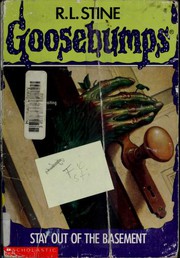
The second book and the purest example of the Goosebumps engine: an ordinary domestic worry, in this case a father behaving strangely, escalated to a plant-monster reveal. Read it second to see the formula settle.
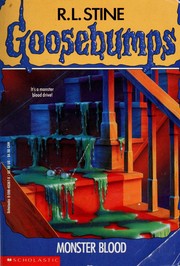
Book three, and the one that started the series' only real habit of continuation — the green goo comes back three more times. Read it here so the sequel in the final stage lands.
The four everybody remembers
BeginnerRead the books that made the series a phenomenon and gave it its TV episodes and cover images
▸ Study plan for this stage
Pace: 4 to 6 days for the four — Say Cheese and Die! 141 pages, The Haunted Mask 144, Night of the Living Dummy 141, One Day at Horrorland 134. Roughly one a day. These are the books that produced the television episodes and the cover images most people picture when they hear the series name, so read them
- Say Cheese and Die! has the best premise in the run — a camera that photographs the future — and it is where the series stops being about monsters and starts being about dread, which is a harder trick at 140 pages.
- The Haunted Mask is widely regarded as the best Goosebumps book and is the one that is actually about something: a bullied girl whose Halloween mask will not come off.
- The Haunted Mask works because the horror and the character problem are the same problem, which is rare in the series and worth identifying precisely.
- Night of the Living Dummy introduces Slappy, the series' only lasting character and its mascot, and reading it after The Haunted Mask means the broader villain arrives once you already trust the writer.
- One Day at Horrorland is the funniest book in the early run and demonstrates the double twist ending, which by 1994 Stine is doing deliberately rather than reflexively.
- A double twist means the resolution is overturned once, and then the last page overturns the overturning. Watching where Stine places each is the craft interest of these four.
- These four vary the formula in four different directions — object, identity, character, setting — which is the most efficient demonstration of the form's range.
- Say Cheese and Die! and The Haunted Mask both make an object the antagonist. What is different about how each one works?
- Why does The Haunted Mask hold up better than the rest? Answer in terms of what Carly Beth wants rather than what the mask does.
- Slappy is a recurring villain in a series with almost no continuity. What does that contradiction cost, and what does it buy?
- Where exactly is the first twist in One Day at Horrorland, and where is the second? Give page ranges.
- Which of the four would you hand to someone who had never read one, and why that one?
- Add these four to your card of last sentences. With seven cards you can already sort them into twist types — reversal, escalation, and the reveal that the danger was never over.
- In The Haunted Mask, mark every scene involving bullying and every scene involving the mask, then check how much the two overlap. The overlap is the answer to why this one is the best of them.
- Read the last two chapters of One Day at Horrorland twice, once for what happens and once for how Stine sets up the second reversal. He plants it early and fairly.
- Compare Slappy's dialogue in Night of the Living Dummy with the mask's behaviour in The Haunted Mask. One villain talks and one does not, and the difference in effect is measurable across two books read a day apart.
Next up: With the four best-known books read, the next stage fills out the first two years and shows how much range the series had in its settings.
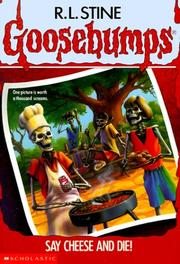
A camera that photographs the future, and the best premise in the whole run. This is where the series stops being a monster book and starts being about dread, which is a harder trick at this length.
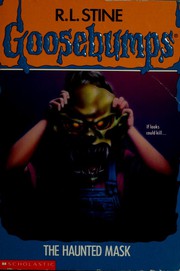
Widely regarded as the best Goosebumps book, and the one that is actually about something — a bullied girl whose Halloween mask will not come off. If a reader is only going to try one, make it this one.

Slappy the ventriloquist dummy, the series' only lasting character and its mascot. Read it after The Haunted Mask so the comparatively broad villain arrives once you already trust the writer.

A theme park run by monsters, and the funniest book in the early run. It also demonstrates the series' habit of the double twist ending, which by this point Stine is doing deliberately rather than reflexively.
The rest of the strong early run
BeginnerFill out the first two years of the series with the titles that hold up, and get a feel for its range of settings
▸ Study plan for this stage
Pace: 4 to 6 days for the four — The Curse of the Mummy's Tomb 139 pages, Let's Get Invisible! 144, Welcome to Camp Nightmare 140, The Werewolf of Fever Swamp 141. One a day. Read The Werewolf of Fever Swamp last in the stage on purpose: after three books built on twists, a straight monster story reads as
- The Curse of the Mummy's Tomb is the clearest case of Stine taking a whole genre wholesale and compressing it to 120 pages, which is a fair description of what the series is for.
- Let's Get Invisible! is one of the few Goosebumps books where the horror is conceptual rather than a creature: a mirror, a cost, and a slow reveal of what the cost is.
- Welcome to Camp Nightmare has the series' most divisive ending, and it is worth reading precisely because the twist splits readers — it is the best conversation starter in the run.
- The Werewolf of Fever Swamp is the straightest monster story on the list and shows what the series looks like with the twist machinery turned down.
- The settings across these four — Egypt, a suburban house, a summer camp, a swamp — show the series' actual strategy: one recognisable location per book, established in a page and a half.
- Stine's ordinary-world setup is consistently the strongest part of each book, and these four make that easy to see because the monsters vary so much.
- By 1993 the series is producing a book a month, and the unevenness of the wider run is a production fact rather than a mystery. These four are the ones that hold up.
- What does The Curse of the Mummy's Tomb keep from the adult mummy-story tradition, and what does it have to drop at this length?
- In Let's Get Invisible!, when did you work out the cost of the mirror? Was the information fairly given?
- Welcome to Camp Nightmare's ending divides readers. State the case for it and the case against.
- The Werewolf of Fever Swamp has no twist to speak of. Is it weaker for it?
- Across these four, how many pages does Stine typically spend before the first supernatural event? The number is remarkably consistent.
- Time it: note the page on which the first genuinely supernatural event occurs in each of these four books. Four data points is enough to establish the series' pacing rule precisely.
- Add four more cards to the last-sentence collection. With eleven you can sort the endings into categories and count them.
- After Welcome to Camp Nightmare, write down in two sentences whether the ending is a cheat or a payoff, then find one other reader's opinion. The disagreement is the exercise.
- Rewrite the opening two pages of The Werewolf of Fever Swamp as if it were going to have a twist ending. Doing this makes obvious how much of Stine's setup work is load-bearing for the ending rather than for the middle.
Next up: Everything so far has stood alone; the last stage takes the handful of books that genuinely continue a previous story, and shows the limit of the series' continuity.
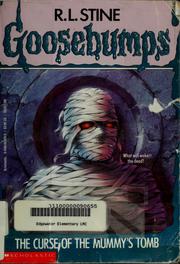
The Egypt book, and the clearest case of Stine borrowing a whole genre wholesale and compressing it to 120 pages. A good demonstration of what the series is for.
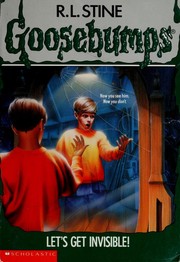
A mirror that makes you invisible, with the cost revealed slowly. One of the few Goosebumps books where the horror is conceptual rather than a creature, which makes it a useful change of pace here.
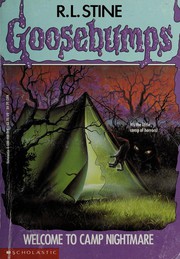
Summer camp, escalating disappearances, and the series' most divisive ending. Worth reading precisely because the twist splits readers — it is the best conversation starter in the run.
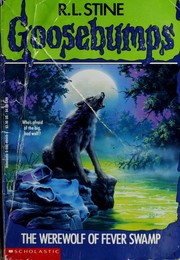
The straightest monster story on this list, and a good palate cleanser after three books built on twists. Read it late in the stage for that reason.
The ones that actually continue
IntermediateRead the genuine sequels in the right order, and know which sub-series are worth following
▸ Study plan for this stage
Pace: 3 to 4 days for the three — Monster Blood II 122 pages, Night of the Living Dummy II 134, Return of the Mummy 126. These are the shortest books on the path. Each requires its predecessor, which is why the originals were placed in stages one and two, and reading each sequel directly after rereading t
- Monster Blood II is the direct sequel to book three and the only one of the Monster Blood follow-ups that adds anything, which is worth knowing before committing to the other two.
- Night of the Living Dummy II brings Slappy back with a different family, and it is the book that fixed him as the series' recurring villain. It is generally considered the better of the two.
- Return of the Mummy picks up Gabe's story from The Curse of the Mummy's Tomb and is a good closing note because it shows the limit of the series' continuity.
- Even the sequels reset almost everything: new house, new family, occasionally new rules for the same object. That reset is exactly why a standalone reading order works.
- A recurring villain in a series without memory is a commercial decision showing through the craft, and Slappy is the clearest instance in children's publishing of the period.
- Reading a sequel immediately after its original exposes what Stine considered essential to each premise, because that is the only thing he carries over.
- The original numbered series runs past sixty volumes. These fourteen are the ones worth reading first; the rest are available in any order, which is the series' actual design.
- What does Monster Blood II carry over from Monster Blood, and what does it quietly discard?
- Why is the second Living Dummy book usually rated above the first? Point to a structural difference rather than a preference.
- Return of the Mummy reuses a protagonist. Does the reuse add anything, and does the book depend on the reader remembering him?
- Having read three sequels, what is Stine's working definition of continuity? Answer from what the books do, not from what they claim.
- Looking at all fourteen last-sentence cards together, how many distinct endings does the series actually have?
- Reread the last chapter of Monster Blood immediately before starting Monster Blood II, then list every fact from the original that the sequel needs and every fact it ignores. The second list is longer, and that is the finding.
- Complete the last-sentence card collection at fourteen and sort the cards into groups by ending type. Counting the groups is the single most informative thing this path produces about how Goosebumps works.
- Compare Slappy's first appearance in Night of the Living Dummy with his first appearance in the sequel. The character has been sharpened between books; identify exactly what was changed.
- Pick any Goosebumps book from the wider run that is not on this path, read it, and place it against the fourteen. Deciding for yourself whether it belongs in this order is the natural end of the exercise.
Next up: This is the last stage: the formula, the four best books, the range of the early run and the limits of its continuity are all covered, and the rest of the sixty-plus volumes can be read in any order you like.
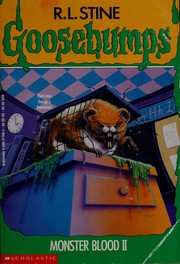
The direct sequel to book three, and the only one of the Monster Blood follow-ups that adds anything. Requires having read the original, which is why Monster Blood sits in stage one.
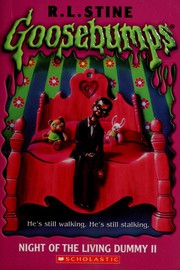
Slappy returns with a different family, and this is the book that fixed him as the series' recurring villain. Read after the first Living Dummy; the sequel is generally considered the better book.
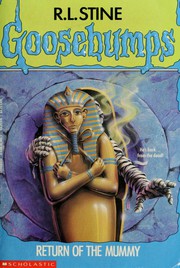
Picks up Gabe's story from The Curse of the Mummy's Tomb. A good closing note because it shows the limit of the series' continuity — even the sequels reset almost everything, which is why the standalone reading order above works.
Discussion
Keep reading
Paths that share books, cover the same subject, or open a related topic.