Fly Tying: The Best Books to Read, in Order
Fly tying is the part of fly fishing where you sit down and build the lure out of thread, feather, fur and wire, on a hook held in a vise. It is learned in a specific order and beginners almost always get it wrong: they buy a pattern book, attempt something with a wing case and a wire rib, and produce a bulky mess, because the actual skills — thread control, tying in and tying off, proportion, and not crowding the hook eye — are invisible in a finished-fly photograph. This path teaches the skills first, then the standard illustrated guides, then materials and what the fish is actually eating, then the specific technique families of dry, emerger and small flies, and closes with the reference volume and two classics that changed how flies are designed. Roughly a dozen patterns tied well will cover most trout fishing anyone does.
Thread Control Before Patterns
BeginnerSet up a vise, learn thread tension, tying in, whip finish and proportion, and tie half a dozen simple flies that catch fish. After this stage you should be able to look at a bad fly and say what went wrong.
▸ Study plan for this stage
Pace: 4–6 weeks, and this is bench time rather than reading time. Fly Tying Made Clear and Simple is about 130 large-format pages and should take a month because you work each sequence at the vise rather than reading it — one technique a session, tied five or six times before moving on. Simple Flies is sh
- Thread tension and thread torque: how many turns, how tight, and which way the thread rolls a material around the hook
- Tying in and tying off — the two operations every pattern is built from
- Proportion: hook gape, shank length, tail and hackle length measured against the hook rather than by eye
- Not crowding the eye, which is the single most common beginner failure and the reason Morris returns to it
- The whip finish and the half hitch, and why head cement is not a substitute for either
- Dubbing a tapered body thinly, which is where most beginners over-apply by a factor of three
- Lyle's argument that sparse and quick beats complicated, and what that implies about which patterns to learn first
- Vise, bobbin, scissors, hackle pliers and bodkin — what each does and what the cheap version of each costs you
- Given a size 12 dry-fly hook, what is the correct tail length, body taper and hackle diameter, and against what are you measuring each?
- Why does thread torque matter when you are tying in a wing case or a tail, and how do you use it deliberately rather than fight it?
- What are the three or four failure modes that make a fly bulky, and how does each show in the finished head?
- What is Lyle's actual argument in Simple Flies — is it about fish behaviour, about tying time, or about the tier's attention?
- Look at your worst fly from week one and your worst from week four. Can you now name the fault in each in one sentence?
- Work Morris's thread-control sequences at the vise, not in the chair. Tie the same simple wet fly ten times in one sitting and lay all ten in a row — the improvement across the row is the whole lesson of the stage.
- Tie six of Lyle's Simple Flies patterns, each of three or four materials, and time yourself. If any takes more than five minutes you have added something Lyle did not.
- Deliberately tie three bad flies: one with the eye crowded, one with the hackle a size too large, one with the body over-dubbed. Keep them on the bench as references — diagnosing a fault is faster when you have built it on purpose.
- Photograph one fly a day for the first month against a ruler. At the end, sort the photographs by proportion rather than by neatness; you will find the two improve at different rates.
Next up: With thread control and proportion in your hands, a step-by-step photographic sequence becomes something you can execute rather than merely admire — which is the format every pattern you ever learn will arrive in.
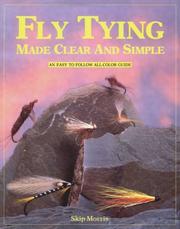
The best first book in the subject and still the standard recommendation: Morris teaches the fundamental techniques in order, with photographs of each hand position, and only then applies them to patterns. Work through it at the vise rather than reading it — that is what it is built for.

Read second, and read it as an argument: Lyle makes the case that sparse, quickly tied flies out-fish complicated ones, with about forty patterns of three or four materials each. It is the corrective to the beginner's instinct to add more, and it gives you flies you can actually finish.
The Standard Illustrated Guides
BeginnerBuild a working repertoire from the three books most tiers own, and get used to reading a step-by-step photographic sequence — which is the format every pattern you ever learn will arrive in.
▸ Study plan for this stage
Pace: 8–10 weeks. The Orvis Fly-Tying Guide is organised by technique, so work it in that order — roughly two techniques a week with several flies tied under each. The Fly-Tying Bible's hundred patterns are a library rather than a course: pull ten or twelve from it that suit your water. Charlie's Fly Box
- Reading a step-by-step photographic sequence: what the photograph shows, and what it silently omits between frames
- The technique families Rosenbauer organises by — tails, bodies, ribbing, wings, hackle, heads — and why that beats organising by pattern
- Transferable skills: that a wood duck wing on one fly is the same operation as on twenty others
- British and American tying traditions as visibly different approaches to the same insects, which The Fly-Tying Bible puts side by side
- Craven's precision about exactly where the thread goes and how many wraps, which is the level of instruction that makes flies neat
- Building a working box: a dozen patterns in three sizes each will cover most trout fishing anyone does
- Hook, thread and bead sizing conventions, which every pattern recipe assumes you know
- For a pattern you have tied from all three books, where do the three disagree about method, and which do you now think is right?
- What does Rosenbauer's technique-first organisation let you do that a pattern-first book does not?
- Which step in a photographic sequence is most often left out between frames, and how did you work out what it was?
- What distinguishes the British patterns in The Fly-Tying Bible from the American ones — materials, proportions, or intended presentation?
- Which of Craven's patterns visibly improved a fly you already thought you could tie, and what specifically did you change?
- Work through Rosenbauer's technique chapters in order, tying at least three different flies under each technique. Keep one example of each technique in a labelled box — that box is your reference for everything later.
- Pick one pattern that appears in all three books — a Pheasant Tail or a Hare's Ear will be in each — and tie it three times, once to each book's instructions. Line the three up and write down what each author prioritised.
- Take a Craven sequence and tie it exactly, counting the wraps as he specifies. Then tie the same fly by feel. Compare heads and bodies under magnification; the difference is what precision is worth.
- Assemble a first working box: twelve patterns, three sizes each, all tied from these books. Do not add a thirteenth pattern until every one of the twelve is tied cleanly.
- Select ten patterns from The Fly-Tying Bible that match insects you can actually find on your water, and reject the other ninety in writing, with reasons. That triage is the skill the next stage formalises.
Next up: You can now execute a sequence anyone hands you; the next stage stops you executing the wrong ones by teaching what to buy and what the fish is actually eating.
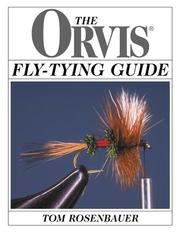
The best general guide once the basics are in place: Rosenbauer organises by technique rather than by pattern, so each fly teaches a transferable skill, and the photography is clear enough to work from without a video. The natural next book after Morris.
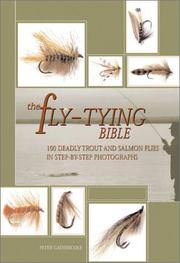
One hundred patterns, each in a full photographic sequence, covering trout and salmon flies from a British as well as an American tradition. Read it as the pattern library to Rosenbauer's technique course — and note Gathercole's Fly Tying for Beginners covers the same ground at a gentler pace if the first stage went slowly.

The modern pattern book, and the one working guides recommend: Craven's step-by-step sequences are unusually detailed about exactly where the thread goes and why, on the patterns people actually fish today. Read it third — it will visibly improve the neatness of everything in the two books above.
Materials, and What the Fish Is Eating
IntermediateStop buying materials at random and start choosing them — hackle quality, dubbing behaviour, hook styles — and learn enough stream entomology to decide what to tie rather than copying a shop's bin.
▸ Study plan for this stage
Pace: 6–8 weeks, and much of it is spent handling material rather than tying. Fly-Tying Materials is a reference to work through with a cape and a dubbing box in front of you — two to three weeks. Essential Trout Flies is a compact pattern set with tying steps and takes a fortnight of bench work; it is al
- Judging a hackle cape: barb length consistency, stem flexibility, web content, and count at the sizes you actually tie
- Natural versus synthetic dubbing — water absorption, translucency, and which behaves how once wet
- Hook anatomy: wire diameter, gape, shank length, bend style, and how each changes the fly's balance in the water
- Preparing, dyeing and storing material, and the pest problem that ruins an uncontrolled collection
- The major orders a trout eats — mayfly, caddis, stonefly, midge — with their life stages, and which stage the fish is actually taking
- Scuds, sowbugs and baitfish, which are missing from most beginner boxes and are a large fraction of a trout's diet
- Hughes's compressed answer to what to tie: a small set that covers nearly all trout fishing, which is a claim you can test
- Matching by silhouette, size and behaviour rather than by colour, which the next stage's classics develop
- Given two capes at different prices, what do you check, in what order, to decide which is better for size 16 dries?
- Why does a synthetic dubbing behave differently on a nymph than on a dry fly, and which would you choose for each?
- Which of Hughes's essential patterns imitate which insect at which life stage? Build the mapping explicitly.
- For your own water in your own season, which two or three orders dominate — and how would you establish that rather than guess?
- What does Guide to Aquatic Trout Foods let you decide that a pattern list cannot?
- Grade every cape and patch you own against the criteria in Fly-Tying Materials, and write the grade on the packet. Then tie a fly at the smallest size each cape claims to support, and correct the grade if it fails.
- Tie the complete set from Essential Trout Flies in the sizes Hughes specifies, and no others. That set is a controlled experiment: fish it for a season and record which patterns you actually reach for.
- Turn over rocks on your own water, collect what is there, and key each specimen to order and life stage using Guide to Aquatic Trout Foods. Then decide, from the sample, which three flies you should have tied — and tie them.
- Take one insect you have identified and tie imitations of all its life stages — nymph, emerger, dun, spinner — from the guides in stage two. Lay them out in sequence; the progression is the argument for the next stage.
- Audit your materials drawer against the patterns you actually fish. Write a shopping list and, more usefully, a list of what you bought and have never used.
Next up: Knowing what to imitate, you can go deep on the three technique families — hackled dries, emergers and small flies — that each demand a different set of hands.

The reference on the raw material itself: what each feather, fur and synthetic does, how to judge quality in a cape or a patch, and how to prepare, dye and store it. Read it first here — most beginner frustration is a materials problem misdiagnosed as a technique problem.

Hughes narrows the universe of patterns down to a small set that will cover trout fishing almost anywhere, with the tying steps for each. The answer to what should I tie, and the book to read before spending money on hooks. Also catalogued when asked for as Trout Flies, which returns this same record.
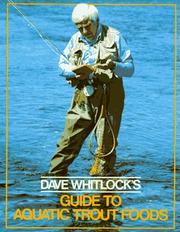
The entomology, written for tiers rather than for biologists: mayflies, caddis, stoneflies, midges, scuds and baitfish, with what each looks like at every life stage and which fly imitates it. Read it last in this stage — it is what turns a pattern list into a set of decisions.
Technique by Category
IntermediateGo deep on three families of fly that each demand a different set of hands — the hackled dry, the soft-bodied emerger, and everything tied on a size 20 hook or smaller.
▸ Study plan for this stage
Pace: 10–12 weeks, and the hardest bench work on the path. Tying Dry Flies is the largest of the three and deserves four to five weeks, since winging and hackling need repetition rather than reading. Tying Emergers is around three weeks. Tying Small Flies should be done last and slowly — expect the first
- Hackle selection and wrapping for a dry fly that sits upright: quality, quantity and the turn count that produces float rather than bulk
- Winging — divided, upright, spent, and hair wings — and the mechanics of a wing that stays where you put it
- Durability as a design property: what makes a dry fly last twenty fish rather than three
- The surface film as a distinct zone, and why an emerger is deliberately built against the crisp proportions of a dry
- Trailing shucks, soft hackles and sparse bodies — the emerger's vocabulary
- What changes below size 18: thread denier, hook wire and jaw geometry, material bulk, and your own eyesight
- That every remaining fault in thread control shows immediately on a size 22 hook, which is why this comes last
- What are the three things that make a dry fly float well, in order of importance, and which of them is about hackle rather than floatant?
- Why does Kaufmann prefer particular wing materials for particular sizes, and what fails when you scale one up or down?
- What is Schollmeyer and Leeson's argument for why the emerger is the most heavily fed-on stage, and how does the tying follow from it?
- Name three things you must change, not merely do more carefully, to tie a size 22 rather than a size 14.
- After Tying Small Flies, which specific fault in your thread control did the small hooks expose?
- Tie one dry-fly pattern from Kaufmann at sizes 12, 16 and 20, adjusting hackle, wing material and thread at each size as he directs. Float all three in a glass of water and record how each sits.
- Take one insect from stage three and tie a dry, an emerger and a small-hook version of the same imitation. Lay them out with the natural, or a photograph of it, and write down which of the three you would actually fish and when.
- Deliberately over-hackle and under-hackle the same dry fly, then float both. The comparison teaches turn count faster than any instruction.
- Work through Tying Emergers' trailing-shuck and soft-hackle sequences, then reread the proportions chapter of Kaufmann. Write a paragraph on which of the dry-fly rules the emerger breaks on purpose.
- Spend one full session tying nothing larger than size 20, with magnification. Keep every fly. The session is a diagnostic, and the flies are the diagnosis.
Next up: With the three technique families in hand you need a reference rather than a course — and then two old books that will change what you decide to tie in the first place.
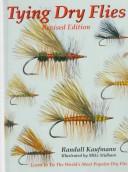
The fullest treatment of the hardest common skill: winging, hackling and proportioning a fly that has to sit upright on the surface film. Kaufmann covers hackle selection and the mechanics of a durable wing better than any general guide. Read it first in this stage.
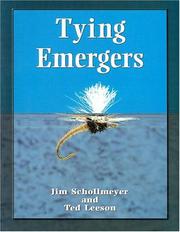
Schollmeyer and Ted Leeson on the flies fished in the surface film — the stage trout feed on most heavily and most beginners ignore. Read after the dry-fly book: emergers are a deliberate departure from the crisp proportions you have just learned, and the reasoning matters.

Everything changes below size 18 — thread, hooks, vise jaws, magnification and your own patience. Engle's book is the standard on it, and it is the natural last technique stage because it exposes any remaining sloppiness in thread control immediately.
The Reference, and Two Classics
BeginnerAcquire the encyclopedia you will consult for the rest of your tying life, then read the two books that changed how flies are designed rather than how they are tied.
▸ Study plan for this stage
Pace: Open-ended. The Fly Tier's Benchside Reference is roughly twelve hundred pages and twelve thousand photographs and is not read — it is kept open on the bench and consulted by operation for the rest of your tying life. The Art of Tying the Wet Fly is short and can be read in a weekend; The Modern Dry
- Organisation by operation rather than by pattern: Leeson and Schollmeyer index how to mount a wing, not how to tie a named fly
- Naming your techniques, so that you can look one up, is itself a skill the Benchside Reference teaches
- The soft-hackle and flymph tradition Leisenring set down and Hidy extended, and its direct line to modern emerger design
- Marinaro's window and mirror: what a trout can and cannot see of a fly on the surface, and the geometry behind it
- Silhouette and light over colour as the determinants of a dry fly's effectiveness — the claim that made thorax-style duns and terrestrials
- Terrestrials — ants, beetles, hoppers, jassids — as a category most tiers under-fish
- The difference between a book that teaches how to tie and a book that argues why a pattern works, and why you need both
- Take a fly you cannot tie well and look it up by operation in the Benchside Reference. What operation was it, and did you have a name for it before?
- What is a flymph, and how does Leisenring's method of building the body differ from a modern nymph?
- State Marinaro's window argument geometrically. What does it predict about a fly's visibility as the trout's depth changes?
- If silhouette matters more than colour, which of the flies in your box are you tying wrong, and how would you test that on the water?
- Which of these two classics has aged better, and is that about the fishing or about the writing?
- Use the Benchside Reference the way it is designed: pick five operations you have been improvising and read the entry for each. Tie one fly per operation using the book's method rather than your habit, and compare.
- Tie a set of Leisenring-and-Hidy flymphs from The Art of Tying the Wet Fly, then set them beside the emergers you tied in stage four. The family resemblance is the historical argument, in your own hands.
- Tie Marinaro's thorax dun and a conventional Catskill-style dry of the same size, float both, and look at each from below through the side of a glass tank. That view is the whole of the window argument, and it is worth setting up once.
- Tie a small set of Marinaro's terrestrials — ant, beetle, jassid — and fish them on a day when nothing is hatching. His claim is testable and this is the test.
- Write your own one-page tying doctrine: the dozen patterns you keep, the sizes, and one sentence each on why. It should be defensible from the books on this path, and it should be shorter than you expect.
Next up: This closes the path: the skills, the repertoire, the materials, the entomology, the specialist techniques, a reference for the rest of your life, and two books about why any of it works.
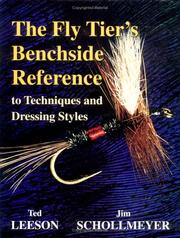
Leeson and Jim Schollmeyer's technique encyclopedia — around twelve hundred pages and twelve thousand photographs, organised by operation rather than by pattern, so you look up how to mount a wing rather than how to tie a specific fly. The definitive reference; buy it once and keep it open on the bench.

The 1941 classic, later expanded by Vernon Hidy with the flymph, and the source of the soft-hackle revival that shapes contemporary emerger design. Short, opinionated and still directly useful — read it after Tying Emergers to see where those ideas came from.
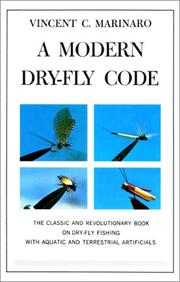
The best closing book: Marinaro's 1950 study of terrestrials, the trout's window of vision, and why a fly's silhouette against the light matters more than its colour. It is a book about why patterns work rather than how to tie them, and it will change what you put in the vise.