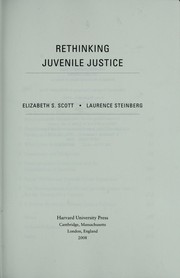
Rethinking juvenile justice
Elizabeth S. Scott · 2008 · 370 pages
As an Amazon Associate we earn from qualifying purchases. Some book links are affiliate links; you pay the same price and we may earn a small commission.
About this book
What should we do with teenagers who commit crimes? Are they children whose offenses are the result of immaturity and circumstances, or are they in fact criminals? "Adult time for adult crime" has been the justice system's mantra for the last twenty years. But locking up so many young people puts a strain on state budgets, and ironically, the evidence suggests it ultimately increases crime. In this book, two leading scholars in law and adolescent development offer a comprehensive and pragmatic way forward. They argue that juvenile justice should be grounded in the best available psychological science, which shows that adolescence is a distinctive state of cognitive and emotional development. Although adolescents are not children, they are also not fully responsible adults. They offer a new approach to juvenile justice, based on their exploration of research not available when the punitive laws now in effect were enacted and on their review of current legal standards.
Appears in these reading paths

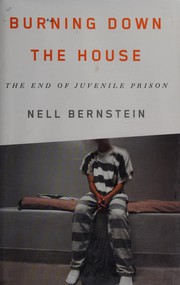

Juvenile Justice: The Best Books on Youth Courts and Youth Prisons, in Order
Reader reviews
Ratings and notes from readers — tagged with how deep into the subject they were.
Loading reviews…