Woodturning is one of the fastest, most rewarding crafts to learn and one of the least forgiving of bad habits. A dull tool or a wrong presentation angle turns a clean cut into a catch that ruins the work or worse. The people who turn beautifully are not stronger or steadier by nature — they mastered tool control and, above all, sharpening, before they attempted ambitious projects. This is a discipline where the fundamentals genuinely come first.
Reading in order enforces that. Start with the core techniques and safety, then treat sharpening as its own essential skill, then progress through spindle and bowl work into finer forms and specialties. Skip the fundamentals and you will fight the lathe; master them and everything downstream gets easier.
Learn the fundamentals
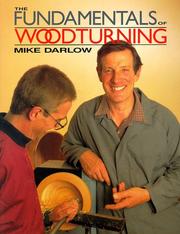
Start with Woodturning by Keith Rowley, widely regarded as the best first book — it covers the lathe, tools, safe stance, and the fundamental cuts with a teacher's clarity. Follow it with The fundamentals of woodturning by Mike Darlow, a rigorous, thorough grounding in technique that fills in the why behind every cut. Together they build the safe, correct habits that protect you and your work.
Sharpen everything
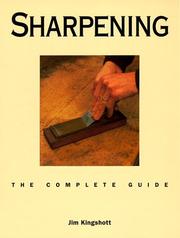
This stage deserves its own book because dull tools cause most beginner failures. Sharpening by Jim Kingshott teaches you to keep an edge that makes clean cuts effortless — the skill that quietly determines the quality of everything you turn. Master it early and the whole craft becomes more forgiving.
Build real projects
Now turn things. Turning wood with Richard Raffan is the classic on developing tool control through real work, and Woodturning Projects by Mark Baker gives you a graded series of pieces to practice on. Move into the signature form with Turning Bowls with Richard Raffan and The art of turned bowls, again from Raffan, which teach the technique and the eye behind good bowls. Branch out with Turning pens and pencils by Kip Christensen for satisfying small projects, and stretch your design sense with Woodturning Forms and Materials by John Hunnex, which pushes you toward original shapes and varied woods.
Follow this order and you build safe, controlled technique and a razor-sharp toolkit before tackling ambitious pieces. Read the full reading path in sequence, wear proper protection, and practice on scrap before precious wood. Books teach the craft; steady, cautious time at the lathe turns it into skill.
Follow the full reading path →
Ready to learn something deeply?
Build a reading path — free