Wildfire is two subjects sharing a name. One is a physically punishing seasonal job with its own culture, equipment and fatality record. The other is a century-long argument about whether fire should be fought at all. Readers who only take the first come away thinking suppression is heroic; readers who only take the second come away thinking it is obviously a mistake. Both are wrong on their own, and the order below is designed so the tension between them lands where it should.
That tension is the point. The early books on this path describe total suppression as an institutional triumph. The later ones explain that the same policy built the fuel loads now burning. Reading them in that sequence is what makes the argument stick, and reading the ecology first would flatten the heroism into naivety before you understood why it was believed.
One thing to state plainly before the list: these are books about the work, not training for it. Wildland firefighting requires formal qualification, arduous fitness testing and supervised experience, and no reading list is a substitute for any of that.
The two classics
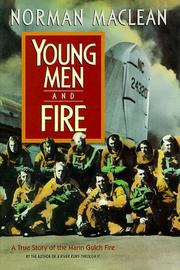
Young Men and Fire is the founding book of the genre — Norman Maclean's reconstruction of the 1949 Mann Gulch fire that killed thirteen smokejumpers, part investigation and part meditation, written across the last decades of his life. Start here, because everything written about wildfire since is in some sense a response to it.
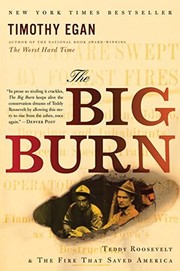
The big burn comes second: the 1910 fire that burned three million acres, made the Forest Service and locked total suppression into American policy for the rest of the century. It explains where the institution and its instincts came from, which you need before you can judge either.
The job
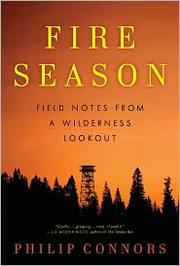
Fire Season is the quietest book on the list, a lookout's season alone in the Gila wilderness, and it is also the clearest early introduction to the idea that some fires should simply be allowed to burn. Jumping fire is a veteran Alaskan smokejumper's memoir and the most detailed first-hand account of that job in print — read it for the packouts, the injuries, the waiting and the crew culture rather than the drama. Smokejumper is the more recent account, covering modern training, equipment and operations, and read after Taylor it shows how much of the work has changed in a generation and how much has not.
When it goes wrong
On the burning edge covers the Granite Mountain Hotshots and the 2013 Yarnell Hill fire that killed nineteen of them, reported by a former hotshot. It is the best modern equivalent of Maclean and the clearest account anywhere of how a crew ends up in an unsurvivable position. Fire on the Mountain covers the 1994 South Canyon fire, investigated by Norman Maclean's son with the same forensic care. Read the two together: two disasters decades apart, with recognisably the same causes, which is the uncomfortable finding the investigations keep returning.
Fire as a natural force, and the megafire argument
Fire in America is the definitive cultural and environmental history of American fire, written by a historian who spent fifteen seasons on a fire crew first. It is long and scholarly and it is the reference work of the field. Between Two Fires covers the last fifty years and the slow, incomplete shift from total suppression toward prescribed burning and managed fire — the essential book for following current policy fights. The Pyrocene argues that humanity has created a fire age comparable to an ice age, combining burned landscapes with burned fossil fuels. It is a thesis book, it is contested, and it reframes everything before it.
The last two disagree about emphasis rather than fact. Fire Weather tells the 2016 Fort McMurray fire as a story about petroleum, heat and fire behaviour that outran the models, and foregrounds climate as the driver. Megafire reports globally with more weight on land management, suppression history and building in the wildland-urban interface. Read them in that order and against each other; the honest position at the end is being able to state both cases rather than picking one.
Follow the full path below to read the twelve in sequence.
Follow the full ordered path here: Wildland Firefighting and Wildfire: The Best Books to Read First.
Ready to learn something deeply?
Build a reading path — free