Video games are now the biggest entertainment medium on Earth, yet they are still widely misunderstood as either mindless toys or a mystery best left to teenagers. Understanding games as a cultural force means seeing three things clearly: where the medium came from, how games are actually made, and how thoughtful critics read them as art. Try to grasp the culture without the history and it floats free of context; try to judge the art without knowing the grinding reality of development and you miss half the story. A good reading order supplies each layer in turn.
So start with the sweeping history, move into the craft and cost of making games, and finish with the criticism that treats the medium seriously. By the end you will understand not just what games are, but what they mean.
Learn the history
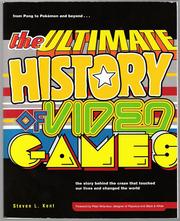
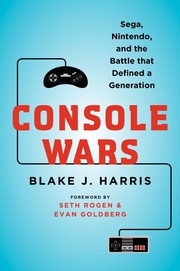
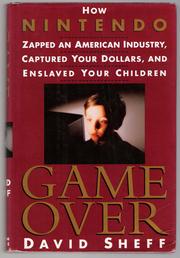
Begin with The Ultimate History of Video Games by Steven L. Kent, the definitive narrative of how the industry rose from arcades to living rooms. Then read Console Wars by Blake J. Harris, the gripping story of the Sega-Nintendo rivalry that shaped a generation of gaming. Add Game Over by David Sheff, the classic account of Nintendo's rise and the business behind the fun. Together they give you the essential timeline and the industry's formative battles.
Meet the makers
Now go inside the studios. Masters of Doom by David Kushner tells the story of id Software and the two Johns who created Doom, capturing the wild early culture of game development. Then understand the craft itself with The art of game design by Jesse Schell, the landmark text on what actually makes games work as experiences. This pairing shows both the human drama and the design discipline behind the games you love.
Understand the reality of making games
The romance of development meets its hard truth here. Blood, sweat, and pixels by Jason Schreier reports the messy, often brutal reality of how games get finished, and Press Reset, also by Schreier, follows what happens when studios collapse and careers are upended. Read together, they replace myth with an honest, humane picture of the industry's labor. This is essential context for any serious discussion of games as culture.
Take games seriously as art
Finish with criticism and ideas. Extra lives by Tom Bissell is a smart, personal case for why video games matter as an art form. Rise of the videogame zinesters by Anna Anthropy argues for games as a medium anyone can make, broadening who gets to tell stories. And How to Talk about Videogames by Ian Bogost models the kind of thoughtful criticism that treats games as objects worth analyzing — the perfect capstone for understanding the medium.
How to actually engage with it
Read alongside playing: revisit a few landmark games as you learn their history, and notice the design choices the books describe. Follow the money and the labor as much as the fun, because the industry's economics shape what gets made. And practice articulating why a game moved you, since developing that critical vocabulary is what turns a player into someone who understands the medium.
Ready to understand the medium, in order? Follow the full reading path, explore the subject hub, or browse related paths.
Ready to learn something deeply?
Build a reading path — free