Foucault frustrates readers who start in the middle, because his terms, archaeology, genealogy, power-knowledge, only make sense once you see how he arrived at them. He also inherited a specific philosophical inheritance, above all from Nietzsche, that shapes every argument he makes.
The order here moves from the influence, to the method, through the historical studies that made him famous, and finally to the interpreters who tie it together. Read this way, the difficulty melts into something genuinely useful.
Groundwork and method
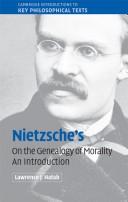
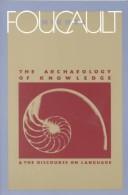
Start with Nietzsche's On the genealogy of morality, the text whose genealogical approach to morals Foucault openly adapted; it is the key to his whole style of tracing how ideas we treat as natural were made. Then The archaeology of knowledge & The discourse on language, Foucault's own statement of method, lays out how he reads history through discourse rather than great thinkers. It is dense, but it names the tools the later books use.
The historical studies
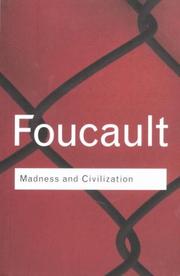
Now read the works themselves in rough sequence. Madness and Civilization examines how society defined and confined the mad, and Birth of the Clinic does the same for the medical gaze and the body. The order of things, his study of how knowledge itself is organized in different eras, is the most abstract but the most rewarding on how thinking changes shape. Then comes the pair most readers come for: Discipline and Punish, his history of the prison and the spread of surveillance, and The History of Sexuality, Vol. 1: The Will to Knowledge, which overturns the idea that modern power simply represses sex. Power/knowledge, a collection of interviews and essays, is the clearest place to hear him explain his own concept of power in plainer language.
Bring in the guides
Foucault rewards good companions. Michel Foucault, Didier Eribon's biography, situates the ideas in a life and a political moment. Foucault: A Critical Introduction, Sara Mills's overview, is the friendliest map of the whole body of work, and Foucault and the political, Jon Simons's study, draws out the political stakes that the primary texts leave implicit.
Read in this order, Foucault stops being a thicket of jargon and becomes a set of sharp questions about how power and knowledge shape us. Follow the full path from his roots to his mature work.
Follow the full reading path →
Ready to learn something deeply?
Build a reading path — free