Albert Camus is easy to quote and easy to misread. The absurd, the myth of the boulder, the stranger who feels nothing: these images circulate detached from the careful, humane thinker who made them. Reading Camus in order, with his life and his novels beside his essays, restores the seriousness the slogans hide.
The path moves from the man to his core philosophy to the arguments that defined his later years. It treats him as both novelist and moralist, because he was inseparably both.
The life and the fiction
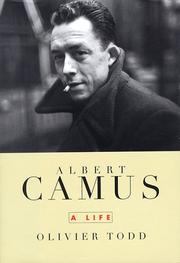
Begin with Albert Camus by Olivier Todd, the definitive biography that grounds the ideas in a real life shaped by Algeria, poverty, tuberculosis, and the Resistance. Then read the fiction that made him famous, gathered here as The Stranger, The Plague, where the abstract themes take human form in Meursault and in a city under quarantine.
The philosophy of the absurd
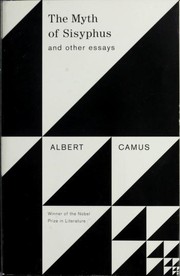
The philosophical heart comes next. The Myth of Sisyphus and Other Essays is Camus's central statement that life's lack of inherent meaning is a reason to live more fully, not to despair; it is the key to everything else. To situate him among his peers, At the Existentialist Cafe by Sarah Bakewell tells the vivid story of Camus, Sartre, and Beauvoir and the movement they argued over.
Rebellion and the break with Sartre
Camus's later thought turned from the absurd to revolt and moral limits. The collection The Plague, The Fall, Exile and the Kingdom, and Selected Essays shows his range as a writer, and The Rebel is his controversial argument that rebellion must refuse murder and tyranny, the book that broke his friendship with Sartre. Camus and Sartre by Ronald Aronson tells the story of that famous rupture. For deeper study, Camus, a critical examination by David Sprintzen analyzes the whole body of work, and Beyond the First Man by William J. Striker rounds out the path.
Read in this order and Camus emerges as a moralist of clarity and courage, not a purveyor of gloom. Follow the full path to read him properly.
Follow the full reading path →
Ready to learn something deeply?
Build a reading path — free