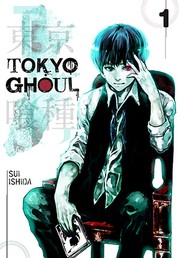
Start with Tokyo Ghoul, Vol. 1 and read the original fourteen volumes in publication order. There is no chronological alternative to weigh up, because the one real ordering question readers arrive with is about the sequel: Tokyo Ghoul :re goes after, never interleaved. It opens two years later and gives away the ending of the original inside its first chapter.
Volume one is also simply the right book to hand someone. Kaneki's accident, the transplant, the first hunger and the whole vocabulary the series never re-explains — kagune, wards, the CCG, Anteiku — are established here and assumed forever afterwards. Sui Ishida's art in these early volumes is scratchier than what comes later, which some readers take as a reason to start further in. Do not; the change in line is part of what the story is doing.
Anteiku: volumes 1 to 5
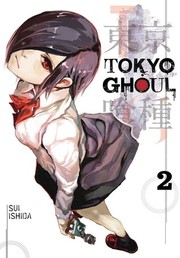
Tokyo Ghoul, Vol. 2 completes the introduction, so read it straight on from the first. Tokyo Ghoul, Vol. 3 brings the ghoul investigators Amon and Mado properly into view and turns the CCG from an obstacle into a second point of view, which is the move that stops this being a monster story. Tokyo Ghoul, Vol. 4 pays that off immediately in the Mado confrontation. Tokyo Ghoul, Vol. 5 closes the arc and sets up the Aogiri Tree; it is the natural place to decide whether you are continuing.
Aogiri Tree: volumes 6 to 8
Tokyo Ghoul, Vol. 6 triples the cast in a single volume, and it is worth keeping a note of names, because most of the second half's characters arrive here at once. Tokyo Ghoul, Vol. 7 contains the Yamori sequence — the most notorious stretch in the series, extended and deliberately unpleasant, and the hinge everything else turns on. Read it in one sitting; broken across days it loses its shape. Tokyo Ghoul, Vol. 8 is the aftermath, with a changed protagonist and a visibly changed drawing style, and it is the volume that explains a tonal shift readers often blame on the anime instead.
The Owl Suppression: volumes 9 to 11
Tokyo Ghoul, Vol. 9 widens the political map beyond the 20th ward. Tokyo Ghoul, Vol. 10 builds to the Owl Suppression Operation with the CCG's internal politics finally legible, and reads as one movement with the volume before it. Tokyo Ghoul, Vol. 11 is the operation itself and the longest sustained action in the original run.
The jump from 11 to 13
This path goes from volume 11 to Tokyo Ghoul, Vol. 13, and that is a gap in our catalogue rather than in the series. Volume 12 has no distinct English record we can link — the search resolves only to an omnibus — so source it from a library or your own shelf before you open 13, which is our longest record in the run at 248 pages and which starts mid-consequence. Tokyo Ghoul, Vol. 14 ends the original series. Stop there, deliberately, before starting the sequel.
Where :re goes, and the light novels
Tokyo Ghoul :re is a sequel of similar length that follows the original run. We hold no shippable English record for it, so it is named here rather than listed — that is our gap, not an argument against reading it. The sequence is: original volumes 1 to 14, then :re from its own volume 1.
The one piece of side material worth the time is Tokyo Ghoul : Days, a light novel written by Shin Towada around Ishida's characters, covering the Anteiku cast in the gaps between the early volumes. It is prose, not manga, and it assumes you know who survives — so read it after volume 14 rather than in sequence. Two more Towada novels exist in English; Days is the one that works hardest.
The staged version of all of this, with what each arc is doing, is on the Tokyo Ghoul reading path.