Suez is unusual among modern crises in that its central fact was a secret. Britain, France and Israel agreed at Sevres in October 1956 that Israel would attack Egypt and the two European powers would then intervene as peacekeepers to seize the canal. Anthony Eden denied collusion to the House of Commons that December and the denial stood, officially, for decades. French and Israeli participants began confirming it in the 1960s and 1970s, and the British documents came out under the thirty-year rule from the late 1980s.
This makes publication date part of the reading order. A book written in 1965 is arguing about whether collusion happened. A book written after 1990 is arguing about why, and about what it cost. Neither is worthless; you simply need to know which you are holding.
Egypt first
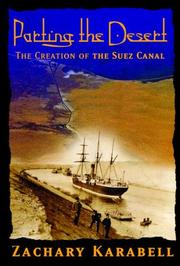
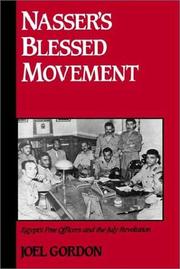
Start before the crisis. Parting the desert by Zachary Karabell is the history of building the canal itself, which is the story of why a waterway in Egypt was not, legally or emotionally, Egypt's. Nasser's Blessed Movement by Joel Gordon is the scholarly account of the 1952 Free Officers coup and how a junta became a regime. Nasser: The Last Arab by Said Aburish is the fullest biography for the general reader and is warmer toward its subject than most Western accounts, which is a useful corrective when every other book on the shelf treats him as the problem to be solved.
The crisis itself
The Suez Crisis 1956 by Derek Varble is a short military account and the quickest way to fix the operational sequence. Blood and Sand by Alex von Tunzelmann is the recent narrative and the most readable — written in 2016 with full access to the collusion evidence, it braids Suez together with the simultaneous Hungarian uprising, which is how the two crises were actually experienced. Suez 1956 by Barry Turner is another modern narrative in the same vein.
The core scholarly account is Suez by Keith Kyle, first published in 1991. Kyle was a journalist covering the crisis at the time and then spent decades on it; his book was among the first to work through the newly released British records, and it is still the volume specialists cite. If you read one book on this list, read that one.
The argument about blame
Britain and the Suez crisis by David Carlton is a compact analytical treatment of the British decision-making. The Suez crisis by Anthony Gorst is a documents reader — the cables and minutes with linking commentary — and is the fastest way to see how the deception was actually organised on paper. Eden by D. R. Thorpe is the sympathetic biography and makes the best available case for a Prime Minister most accounts write off; Thorpe had access Eden's earlier biographers did not.
Then the American side, where the disagreement is sharpest. Eisenhower 1956 by David A. Nichols argues Eisenhower handled the crisis with skill and that forcing his allies to withdraw was a considered use of power. Ike's gamble by Michael Scott Doran argues close to the opposite: that Eisenhower misread Nasser and that the American position damaged Western standing in the region for a generation. Read them back to back. They use much of the same evidence.
Finish with Ends of British imperialism by William Roger Louis, which sets 1956 inside the whole decolonisation story and treats Suez less as a blunder than as the moment an already-finished imperial position was made visible.
Follow the full path and the crisis stops being a British morality tale and becomes what it was: an Egyptian event, a Cold War event, and the last time a European power tried something like this alone.
Follow the full ordered path here: The Suez Crisis: Best Books to Read, in Order.
Ready to learn something deeply?
Build a reading path — free