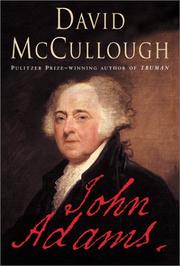
Start with John Adams. The unglamorous founder, rescued largely through his correspondence with Abigail, by the most readable biographer the prize has ever rewarded. It is the book that made an eighteenth-century politician a bestseller and a television series, and it teaches you what the Pulitzer means by narrative biography as opposed to scholarship.
Do not start with The power broker: Robert Moses and the fall of New York. It is the most influential American biography of the last half-century and it is over a thousand pages, and starting a reading list with it is the single most common way this prize goes unread. The same warning applies to Master of the Senate, which is volume three of Robert A. Caro's still-unfinished life of Lyndon Johnson. Both belong at the end, where the path puts them.
What the prize rewards, and its besetting habit
Awarded since 1917 for a distinguished biography by an American author, this is the prize that decides which American lives get written at length and which get read. Two rules shape the list: the author must be American but the subject need not be, and until 2023 autobiography and memoir competed in the same category, which is why the older winners include personal memoirs that would now be judged separately.
Its besetting habit is scale. The board reliably rewards the enormous single-subject political life, which is exactly why a reader who begins with the most famous winner begins with thirteen hundred pages and stops. Ordering by length instead fixes the problem entirely.
The ones that read like novels
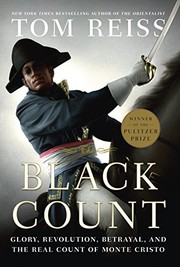
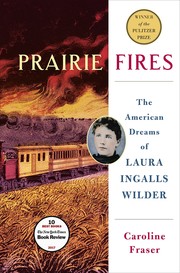
After John Adams, read The Black Count, the life of Alex Dumas — son of an enslaved woman and a French nobleman, a general under the Revolution, and the model for the novel his son wrote about him. It is short, fast, and the most surprising winner on this list. Then Prairie fires, published as Prairie Fires, which sets Laura Ingalls Wilder against the actual homesteading disaster the Little House books were built from, including her daughter's hand in writing them. It dismantles a national myth without ever raising its voice.
The lives the prize took longer to reward
King — published as King: A Life — is the first full-scale biography of Martin Luther King in decades, built on FBI files and interviews unavailable to earlier writers, and it is the best model here of what modern archival biography looks like. Read The dead are arising directly afterwards: nearly thirty years of interviews on Malcolm X by Les Payne, finished after his death by his daughter and co-author Tamara Payne. The two books are arguing with each other about the same decade, and reading them apart wastes that.
Oscar Wilde is denser than anything before it here, published posthumously by a biographer who was dying as he finished it, and the book most often named when people call biography an art rather than a compilation. The Pope and Mussolini draws on Vatican archives opened only in the 2000s, and is the clearest demonstration on this path of how much a biography's verdict depends on which archive happens to open.
The big American lives
Truman is nearly a thousand pages and the easiest thousand pages here — return to David McCullough after the denser books precisely because he makes length feel like momentum. Washington, published as Washington: A Life, is the full life of the least knowable founder, including the enslaved people at Mount Vernon whom earlier biographies handled evasively. American Prometheus took twenty-five years and two authors — Kai Bird and Martin J. Sherwin, who share the prize, though the catalogue lists only the first — and its argument lives in the security hearing that destroyed Robert Oppenheimer. Peter the Great is the least American book here, a useful reminder before Caro that the prize's subject rule is wider than its habits suggest.
The destination
Finish with Caro. The power broker: Robert Moses and the fall of New York is about a man never elected to anything who rebuilt New York anyway, and it is best read as a book about how power is actually acquired rather than as the life of one official. Master of the Senate is self-contained enough to stand alone, so read it after The power broker rather than starting the Johnson volumes in sequence — the long central history of the Senate is the reason it won.
Biographies are arguments, not verdicts. Two of the best books here disagree with each other on purpose, and reading them in pairs is the point of ordering the list at all.
Follow the full ordered path here: Pulitzer Prize-Winning Biographies: The Best Ones to Read, in Order.