The trap in this subject is that the best-known books are about the first wave, and the wave killing people now is the third. A reader who stops after the Purdue Pharma story ends up with an accurate account of 2003 and a badly out-of-date model of 2026, in which the problem is a company and the solution is a lawsuit. Illicitly manufactured fentanyl does not work like that, and neither does the treatment gap.
So this path moves forward in time and outward in scope: the ground-level narratives first, then the company, then the distributors and prescribers who moved the volume, then the synthetic era and the argument about deeper economic causes, and finally the evidence on what reduces deaths. It is a path for understanding a public health catastrophe. None of it is medical advice, and nothing here should be read as guidance about anyone's treatment.
How it started, on the ground
Dreamland is the book that made the epidemic legible to a national audience, braiding OxyContin's marketing together with the spread of a particular black tar heroin trade out of one Mexican state. Its two-strand causal story is tidier than the evidence strictly supports — worth knowing as you read — and it is still the best entry point available.
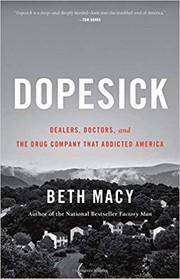
Dopesick reports the same period from Appalachia across twenty years, following families, prescribers and dealers. It restores the duration that a national narrative compresses, and it introduces the treatment failures the last stage of this path comes back to.
The company
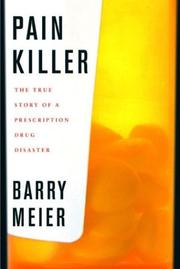
Pain Killer came first, in 2003. Meier's reporting on OxyContin's marketing preceded any wide acknowledgement that an epidemic was underway, and it is valuable precisely as a record of what was knowable at the time.
Empire of Pain is the definitive account: three generations of the Sackler family, from Arthur Sackler's invention of modern pharmaceutical marketing through to the bankruptcy manoeuvres that shielded the family fortune. It is exhaustively sourced and it is the single most important book on this path.
The chain nobody remembers
Death in Mud Lick is a local reporter's long fight to pry loose the shipment data showing how many pills wholesalers sent to single West Virginia pharmacies. It demonstrates the thing that is easiest to forget: the numbers were always there, visible to anyone permitted to look.
American overdose widens the frame to the FDA, the DEA, Congress and the pain-management movement, arguing that the failure was systemic and regulatory rather than confined to one firm. If the previous stage left you with a single-culprit account, this is the corrective.
Drug dealer, MD is the view from inside medicine that journalism cannot supply. An addiction psychiatrist explains how ordinary, well-intentioned prescribing produced dependence at scale, including the patient-satisfaction metrics that pushed doctors toward the prescription pad.
Fentanyl, and the argument about causes
Fentanyl, Inc. traces synthetic opioids from Chinese chemical labs through the supply chain and explains why a drug potent in microgram quantities defeats every assumption behind traditional interdiction. This is the phase the epidemic is actually in.
Least of Us is Quinones returning to the subject in the fentanyl and methamphetamine era, noticeably less confident than he was the first time about how the story resolves. Reading his two books together shows a reporter revising in public, which teaches more than either does alone.
Deaths of Despair and the Future of Capitalism places opioid mortality alongside suicide and alcohol deaths among Americans without college degrees and locates the cause in a labour market and health system that failed them. The thesis is seriously contested — critics point out that some trends predate the described causes and do not appear in comparable countries — and it remains the strongest structural account anyone has offered.
What the evidence says reduces death
Undoing Drugs is the history of harm reduction, from illegal improvisation to mainstream public health, written by a journalist who was herself a user. It is advocacy as well as history, and it rests on the strongest evidence base in the field.
Raising Lazarus closes the path in the same communities where it opened, reporting on people trying to deliver buprenorphine and harm reduction against local resistance and federal restriction. The gap between what works and what is available is the subject.
Follow the path in order and the epidemic stops being a scandal with a defendant and becomes a system with a body count.
Follow the full ordered path here: The Opioid Epidemic: The Best Books to Read First.