Venezuela is the country where oil arrived before the modern state did, and almost every argument about its history turns on what that sequence produced. The order that works is a short orientation and the independence-and-caudillo backstory, then the oil century and the Punto Fijo pact, then the Caracazo and the rise of Hugo Chavez, and finally the collapse and mass emigration since 2014. The books below disagree with each other about who is to blame, and the later ones assume you already have the vocabulary — rentier state, punto fijo, chavismo — that the earlier ones supply.
The common mistake is starting with a book about Chavez. Read that way, chavismo looks like a rupture; read after the oil literature, it looks like the latest chapter of an older argument about what a state does when its revenue comes from beneath the ground rather than from its citizens. That is the argument, not the answer, and serious scholars land in different places on it.
Orientation and the long backstory
Begin with Miguel Tinker Salas's Venezuela: What Everyone Needs to Know, the most efficient single orientation to the country and written by the historian whose work on oil culture anchors the middle of this list. It is named in plain text here because the Open Library record for it carries a mangled display title with a stray word from a hardback listing; the book is the Oxford volume.
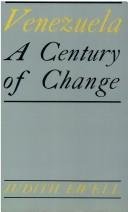
Bolivar, American Liberator is Marie Arana's narrative biography, covering the independence wars and the collapse of Gran Colombia without assuming prior knowledge, and it is 634 pages in our record. Bolívar is not background in Venezuela — every later regime, Chavez's above all, claims him, and you cannot read chavismo without knowing what is being claimed. Venezuela, a century of change carries the nineteenth-century caudillo era, the Gómez dictatorship and the transition to democracy in one scholarly narrative. Judith Ewell's book dates from 1984 and stops before everything the later stages cover, which is its use: it shows the country as it looked when it was still described as a stable success.
Oil and the state it built
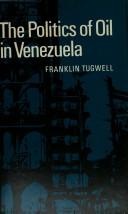
The politics of oil in Venezuela is the classic account of how the state negotiated with, taxed and finally nationalised the foreign oil companies. Read it before the theoretical books, because it supplies the institutional story they abstract from. The enduring legacy is Tinker Salas on how the oil camps remade Venezuelan society, class and national identity — an imported way of life, not just revenue.
The magical state is the most influential theoretical book on Venezuela: Fernando Coronil on the state as a magician conjuring modernity out of subsoil rent, with the citizenry as its audience. It is genuinely difficult and it assumes the empirical history the two previous books give you. Venezuela before Chávez is the deliberate counterweight — an edited volume of economists anatomising the collapse in growth and living standards before 1998, which is the claim the next stage has to answer.
The Caracazo, Chavez and the Bolivarian Revolution
Hugo Chavez and the Bolivarian Revolution is the best-known sympathetic account, by a British journalist with long access; read it first so you meet the project on its own terms. Richard Gott's earlier book on the same subject appeared as In the Shadow of the Liberator, and this is the revised and extended version, so you do not need both.
The silence and the scorpion reconstructs the April 2002 coup that briefly removed Chavez, from interviews on all sides, and it is the best demonstration on this list of how contested the basic facts of the period are. Dragon in the tropics is the analytical frame: Javier Corrales and Michael Penfold on how competitive authoritarianism was built institutionally, with elections continuing while the playing field tilts. Two notes on our record for it — the author name is listed twice, and the ISBN resolves to a Spanish-language edition published as Un dragón en el trópico, so check the language before ordering. Comandante is Rory Carroll's portrait of Chavez's rule as daily life rather than ideology, drawn from six years in Caracas, and it lands harder once you know the institutional argument.
Collapse, emigration and what oil could not buy
Crude nation is a former oil analyst's account of how a country sitting on the world's largest proven reserves ended up rationing food, and it is the most direct answer to the question the whole sequence has been building toward. Close with Things Are Never So Bad That They Can't Get Worse, William Neuman's on-the-ground account of the Maduro years, the hyperinflation and the migration crisis — the most recent book here and the one that finishes the story.
How much of the collapse is chavismo, how much is the oil price and how much was structural long before either is a live argument, and the books above are chosen so you can hold all three claims at once rather than being handed one.
The full ordered list is on the Venezuela path.