The Dead Sea Scrolls are a narrow specialist field carrying an enormous popular literature, a great deal of which is unreliable. The decades-long delay in publishing the cave 4 fragments produced a genre of books alleging that the Vatican, or the scrolls team, or someone was suppressing material that would overturn Christianity. The full corpus has now been published for thirty years and contains nothing of the kind, but the books making those claims are still in print and still outsell the scholarship.
So the order here matters more than usual, and the rule is simple: get a reliable baseline first, then read the primary texts before anyone's thesis about them, and only then take up the two arguments that are genuinely open. Every book on this path is by a working scholar of the field.
Orientation: what was found, and what happened next
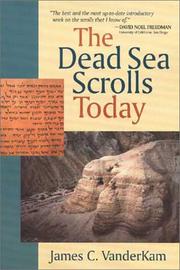
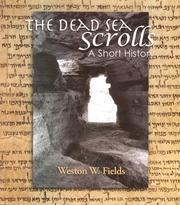
The Dead Sea scrolls today is the standard first book — a plain account of the finds, the dating evidence, the contents of the collection and the main scholarly positions, with no conspiracy framing. Start here and test everything else against it. The Dead Sea Scrolls -- A Short History follows with a documented history of the discovery, the acquisitions and the publication delay, drawn from the scrolls team's own archives; knowing who held which fragment for how long explains a great deal about why the field developed as it did. The Complete World Of The Dead Sea Scrolls is an illustrated reference on the site, the caves and the manuscripts, and works better kept beside you than read straight through.
The texts themselves
The Complete Dead Sea Scrolls in English is the standard one-volume translation, with short introductions to each text. Read the Community Rule, the War Scroll, the pesharim and the Temple Scroll here and form your own impressions before absorbing anyone's argument, because every argument in the next two stages turns on how these documents are read.
One gap worth naming, and it is ours rather than the field's: this is the only translation on the path. The other standard English editions, including the Wise, Abegg and Cook translation and the Garcia Martinez study edition, are not currently in our catalogue.
Who wrote them, and what they changed
The authorship question is live. Reclaiming the Dead Sea scrolls argues the scrolls are fundamentally Jewish documents with Sadducean or Zadokite legal roots, against a generation of scholarship that read them chiefly as background to Christianity; whether or not you accept the thesis, it moved the field's centre of gravity. Beyond the Qumran Community dismantles the assumption that the sect was a single celibate community living at the site, arguing for a wider movement with settlements across Judaea. Qumran In Context is the archaeologist's dissent, reading the site as a fortified estate rather than a sectarian settlement and denying the scrolls need have been written there at all. That position is a minority one and has been vigorously contested, which is exactly why it belongs on the path — it forces you to separate what the dig shows from what the texts say.
Then the biblical question. The Dead Sea scrolls and the Bible is the accessible route: what the Qumran biblical manuscripts look like, how they differ from the Masoretic text and the Septuagint, and what that plurality implies. The Dead Sea Scrolls and the Origins of the Bible, by one of the editors of the biblical scrolls, presses the strong case that scripture circulated in multiple parallel editions into the first century. The meaning of the Dead Sea scrolls consolidates both strands once you have the specialist arguments in hand.
Specialist ground
Apocalypticism in the Dead Sea Scrolls asks how far the sect's worldview was genuinely apocalyptic, a question that governs how you read the War Scroll and the messianic texts. It is short, dense and best attempted last. The Dead Sea Scrolls in Their Historical Context collects specialist studies placing the scrolls against the Hasmonean and Herodian background — by this point you can follow the field's working conversation.
Follow the full path below to take the twelve in order.
Follow the full ordered path here: Best Books on the Dead Sea Scrolls, in Reading Order.