Testing is widely misunderstood as a mechanical phase at the end of development, a box to tick before shipping. Treated that way, it catches little and slows everyone down. Real software quality comes from a way of thinking that runs through the whole process, and from a mix of skills: automated tests, exploratory investigation, and the delivery practices that make quality continuous. Learning them in the right order changes testing from a chore into leverage.
The path starts with the mindset and the craft of testing, moves into building and structuring automated tests, then into human-driven exploration, and finishes with delivering quality at scale.
Build the testing mindset
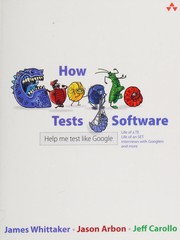
Start with Lessons learned in software testing, a collection of hard-won principles that reframes testing as a thoughtful, investigative discipline rather than a script. It is the book that fixes the checklist mentality. Then How Google Tests Software shows how testing works inside a large modern organization, giving you a concrete picture of roles, automation, and culture at scale.
Learn to build good automated tests
Automation is essential, and it starts with design. Growing object-oriented software, guided by tests teaches test-driven development on a realistic project, connecting testing to good design. The art of unit testing covers what makes a unit test maintainable and trustworthy, and xUnit Test Patterns is the deep reference on structuring test code and avoiding its smells. Together they keep your test suite an asset rather than a liability.
Explore and stress the system
Automation cannot find everything, and skilled human testing remains vital. Agile testing by Lisa Crispin shows how testing fits into iterative development as a whole-team responsibility, and Explore it! teaches exploratory testing, the disciplined art of investigating software to find what scripted tests miss. For the theory underneath, Software testing by Paul Jorgensen provides the formal techniques and coverage models that give your testing rigor.
Deliver quality continuously
Quality only counts when it ships reliably. Continuous Delivery by Jez Humble teaches the pipeline practices that let teams release frequently and safely, with testing built into every step. Then Accelerate presents the research showing that these practices, including strong automated testing, actually drive delivery performance, grounding the whole discipline in evidence.
Follow the full path and testing stops being a phase you dread and becomes a capability that speeds you up. You end able to combine automation, exploration, and delivery discipline into genuine, continuous quality rather than a last-minute scramble.
Follow the full reading path →
Ready to learn something deeply?
Build a reading path — free