Learning to code and learning to engineer software are not the same thing, and the gap between them is where careers stall. Plenty of people can make a program work; far fewer can write code a team will still be able to change in two years, or design a system that survives real load. Bridging that gap takes a deliberate progression from syntax to craft to scale.
Read in order. Get fluent in a language and in algorithms, then learn to write code humans can maintain, then learn to design large systems and to work the way high-performing teams do. Each stage assumes the one before it.
Learn to program
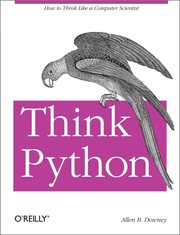
Start with Python crash course to get shipping real programs quickly, and Think Python to learn programming as a way of thinking — decomposition, debugging, problem-solving — rather than syntax memorization. Then build the CS core: Grokking Algorithms: An illustrated guide for programmers and other curious people makes algorithms genuinely approachable, and The algorithm design manual is the practical, career-long reference for solving problems with the right data structures.
Write code humans can maintain
Now the leap to engineering. Clean Code teaches the naming, function, and structure habits that make code readable, and A Philosophy of Software Design argues, more deeply, about managing complexity — the real enemy in large systems. Then Refactoring gives you the disciplined techniques to improve existing code safely, which is most of what professional work actually is.
Design real systems
Scale up. Designing Data-Intensive Applications is the modern classic on the trade-offs behind databases, distributed systems, and reliability at scale — the book that separates a coder from an architect. It rewards slow, careful reading once you have real systems in mind.
Work like a professional
Finally, the craft and the team. The Pragmatic Programmer distills decades of hard-won practices into pragmatic habits, and Accelerate brings the research on what actually makes software teams fast and stable — the data behind DevOps and continuous delivery.
Work the path in order and software engineering becomes a discipline of managing complexity, not just producing features. The related air-traffic-control, cosmetology, and medical-assistant paths show how other skilled careers reward the same fundamentals-then-craft progression.
Follow the full reading path →
Ready to learn something deeply?
Build a reading path — free