Scuba diving is one of the few hobbies where reading genuinely keeps you alive — understanding pressure, gas, and buoyancy is the difference between a safe dive and a serious accident. Books are a real part of learning it, but they supplement hands-on training with a certified instructor; they never replace it. Reading in order builds knowledge from the surface down.
The path moves from snorkeling at the surface, into scuba certification and the physiology behind it, then dive safety and advanced skills, and finally the marine life that gives diving its purpose.
Start at the surface
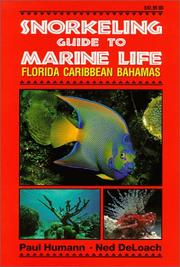
Begin where the water meets the air. Snorkeling guide to marine life by Paul Humann is the perfect entry point — it gets you comfortable in the water and looking at what's there, no tank required.
Get certified and understand the science
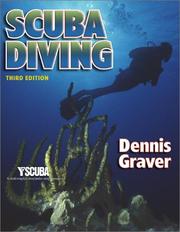
Now go under. PADI Open Water Diver Manual with Table is the standard course text that pairs with real certification training — the foundation every diver learns from. Scuba diving by Dennis Graver is an excellent, thorough companion on skills and the physics and physiology beneath them, deepening the "why" behind the rules.
Prioritize safety and build skill
This is the core that keeps you safe. The diving emergency handbook by John Lippmann is essential reading on recognizing and responding to problems underwater, and Deeper into diving by the same author is the respected reference on decompression and physiology for divers who want real depth of understanding. The diver's handbook by Alan Mountain rounds out your all-around skills and knowledge, and The complete diver by Alex Brylske is a comprehensive text tying the science and practice together.
Know the underwater world
Finish with the reason you dive. Reef Fish Identification Tropical Pacific 2nd Edition by Paul Humann and Coral reef fishes by Ewald Lieske turn every dive into a chance to name and understand what you see. Close with The silent world by Jacques Yves Cousteau — the classic that made generations want to explore the sea.
Read this path in order and you'll understand the water, the science, and the safety before the beauty — and dive as a knowledgeable, careful explorer. Follow the full path, alongside proper certified training, into the underwater world.
Follow the full reading path →
Ready to learn something deeply?
Build a reading path — free