Needle felting is deceptively approachable: a barbed needle, a handful of wool, and you are sculpting. But that simplicity hides real technique, controlling firmness, building armatures, shaping smoothly, and beginners who dive into a complex figure first end up with a lumpy blob and a sore finger. The craft rewards a reading order that nails fundamentals and a first successful animal before you attempt detail and character.
Start with technique, make something cute and complete, then move toward wool painting and finely detailed figures.
Learn the core technique
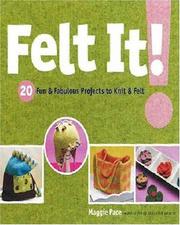
Begin with Susanna Wallis's Needle Felting: The Complete Guide, a thorough foundation in tools, wool types, and the fundamental motions of felting firm, controlled shapes. Maggie Pace's Felt It! broadens your sense of what felting can do across projects, helping you understand the material before you commit to sculpture.
Make your first animals
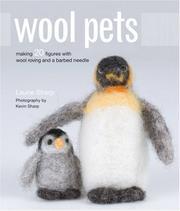
Now the fun part, and the one that builds momentum. Hazel Tindall's Needle Felting: Fun and Easy Techniques for Making Adorable Animals and Laurie Sharp's Wool Pets are ideal first-animal guides, breaking a creature down into simple shapes you assemble step by step. Indigo Sage's Critter Camp: Needle Felted Animals keeps the momentum with more approachable, characterful projects.
Expand into painting and fine detail
With sculpting comfortable, branch out. Heidi Feathers's Needle Felted Wool Paintings introduces a different discipline entirely, "painting" flat pictures with layered wool, which sharpens your sense of color and blending. Then push detail and expression with Salley Mavor's Felt Wee Folk, a beloved book of small, intricate figures that teaches the fine finishing and character work that make felted pieces feel alive.
Follow the full reading path to go from your first firm wool ball to detailed, expressive felted creatures and pictures.
Follow the full reading path →
Ready to learn something deeply?
Build a reading path — free