Gardening for pollinators and wildlife is less about planting flowers and more about rebuilding a food web. Native plants support the insects that support the birds, and a garden full of pretty non-natives can be an ecological desert. Reading in order gives you the why before the what, so your plant choices actually do something.
The path moves from the ecological case, into regional and design knowledge, and finally into gardening specifically for the creatures you want to support.
Understand why native plants matter
Start with the argument that changes how you garden. Bringing Nature Home by Doug Tallamy is the landmark book explaining why native plants are the foundation of a functioning ecosystem — that native insects can only eat the plants they evolved with. The living landscape by Rick Darke extends this into designing beautiful gardens that also work ecologically, and Nature's Best Hope by Doug Tallamy makes the case that home gardens, collectively, can restore real habitat.
Learn your regional plants
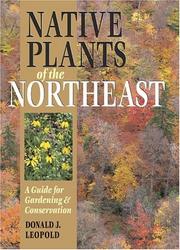
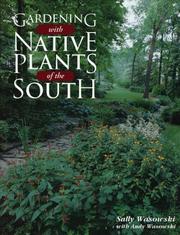
Native means native to your place, so specificity matters. Native Plants of the Northeast by Donald J. Leopold and Gardening with native plants of the South by Sally Wasowski are regional references that tell you exactly what belongs where you live — use the one that fits your region as a model for thinking locally.
Design a garden that works and looks good
Habitat doesn't have to look wild. Planting in a post-wild world teaches the layered, resilient plant communities that read as designed rather than neglected, and The American meadow garden by John Greenlee shows how to build meadow-style plantings that support life and satisfy the eye.
Garden for the pollinators themselves
Finish by focusing on the wildlife. Gardening for butterflies covers host and nectar plants for the insects everyone wants to see, Attracting Native Pollinators by Eric Mader is the deep reference on bees and other pollinators, and Gardening for Birds, Butterflies, and Bees ties it all together into a whole-habitat approach.
Read this path in order and you'll plant with ecological intent — natives chosen for your region, designed beautifully, and aimed at the creatures that need them. Follow the full path to a garden that hums with life.
Follow the full reading path →
Ready to learn something deeply?
Build a reading path — free