Mushroom foraging is unlike any other hobby on this site: a misidentification is not a wasted afternoon but a genuine danger. That is why the reading order emphasizes identification skill and caution before enthusiasm. No book, including these, replaces hands-on learning from an expert and, when in any doubt, never eating a wild mushroom. Treat every guide as a tool for building certainty, not shortcutting it.
The path below starts with the identification mindset, moves to trustworthy regional field guides, and insists on studying the toxic species before ever considering the table. Read this way, foraging becomes a disciplined skill rather than a reckless one.
Learn to identify with discipline
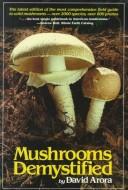
Start with Mushrooms demystified by David Arora, the encyclopedic classic that teaches you how to actually key out a mushroom, feature by feature, rather than matching pictures. His All That the Rain Promises and More... is the friendly, portable companion that makes the same rigorous approach approachable in the field. Together they instill the habit of confirming multiple features before naming anything.
Use trustworthy field guides
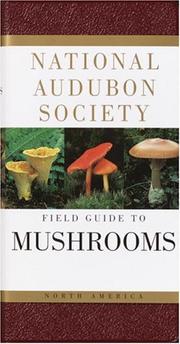
Because fungi are regional, general references are not enough. The Audubon Society field guide to North American mushrooms by Gary Lincoff is a broad, reliable identification reference, while Mushrooms of the Pacific Northwest and Boletes of Eastern North America show the value of guides tuned to your specific area and the groups you are likely to find. Matching the guide to your region and habitat is central to identifying safely.
Study toxins and fungal ecology
The most important book here may be the one about danger: Toxic and hallucinogenic mushroom poisoning by Gary Lincoff teaches you the deadly look-alikes you must know cold before eating anything. North American Mushrooms adds another cross-checking field reference. Once safety is grounded, the ecology books deepen the wonder: Mycelium running by Paul Stamets and Entangled Life by Merlin Sheldrake reveal the hidden fungal world that makes foraging so fascinating in the first place.
Read in this order and foraging becomes a careful, rewarding practice. Follow the full reading path to go from your first confident identification to a safe, knowledgeable relationship with wild fungi, always erring toward caution.
Follow the full reading path →
Ready to learn something deeply?
Build a reading path — free