Books cannot enlist you, commission you or pass a fitness test, and no reading list replaces talking to a recruiter and to people who have actually served. Questions about eligibility, medical waivers, contracts, benefits and current entry standards belong with official sources, because those change constantly and none of these books is current on them. What books can do is answer the question a recruiter will not: what the job is like from the inside, and what it asks of you over twenty years rather than four.
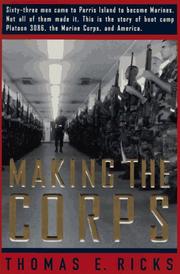
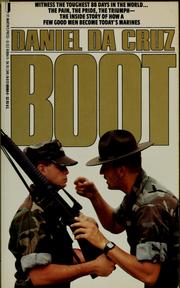
Start with Making the Corps by Thomas E. Ricks, in which a defence correspondent followed one Marine recruit platoon through Parris Island from arrival to graduation. It is the best available account of what boot camp is for, and Ricks is also serious about the resulting gap between military and civilian culture. Read it whichever service interests you. Boot by Daniel Da Cruz is the earlier classic on the same training and more granular on the day-to-day mechanics of the thirteen weeks — but it dates from 1987, and training specifics have changed a great deal since. The structure and the intent have held; the details have not, in either book. The list is deliberately weighted toward first-hand accounts and toward the American services, which is where the honest literature is thickest.
The commissioning routes
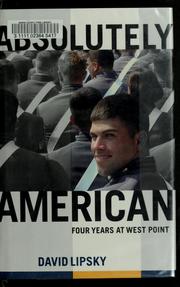
Absolutely American by David Lipsky is the definitive book on the service academy experience: four years embedded at West Point following one class from plebe year to commissioning, honest about attrition, the hazing debates, and the cadets who leave. In a time of war follows the West Point class of 2002 — the last to enter before September 11 — from graduation into Iraq and Afghanistan, and in several cases into being killed. Read the two together to see what the training was preparation for.
One Bullet Away by Nathaniel Fick is the other route: a classics graduate goes to Marine Officer Candidate School and ends up leading a reconnaissance platoon in Afghanistan and Iraq. It contains the clearest description on this path of what a brand-new lieutenant is actually responsible for.
What junior leadership demands
The Armed Forces Officer is the Department of Defense's own statement of what commissioning means, drafted originally by the military historian S. L. A. Marshall and issued to officers of every service. It is short, formal and worth reading precisely because it is the institution's own answer; the record here is a late-1980s printing, and newer official editions exist.
The Army Officer's Guide is the unglamorous administrative reality the memoirs skip: customs, courtesies, career progression, evaluation reports, the mechanics of a commission. It is revised frequently and the record here is an early-1980s edition, so buy the current one if the procedural details matter. Small unit leadership by Dandridge Malone is 170 blunt pages on leading a squad or a platoon, still assigned in professional military education, and the most directly useful book here for anyone who will lead a small team in or out of uniform.
What the job costs, and coming home
Be clear-eyed about this stage. Service in a combat arm carries a real risk of being killed or permanently injured, and a real likelihood of long separations from family; these books describe both without dramatising them. The unforgiving minute by Craig Mullaney runs from West Point through a Rhodes Scholarship and Ranger School to a platoon in Afghanistan and a soldier killed under his command — the most complete single account here of an officer's formation. Joker One by Donovan Campbell is a Marine platoon commander in Ramadi in 2004 writing about the forty men he was responsible for, the concrete version of what Malone describes in the abstract. What It Is Like to Go to War by Karl Marlantes is a Marine officer in Vietnam writing forty years later about killing, guilt and the absence of any ritual for coming home — the most reflective book here, and the one most worth reading before enlisting rather than after.
Thank You for Your Service by David Finkel follows the soldiers of his earlier book, The Good Soldiers, home into traumatic brain injury, marriage breakdown, the Veterans Affairs bureaucracy and suicide. It is the hardest book on the list and the most necessary, because transition is the part recruiting material does not cover. Tribe by Sebastian Junger argues, in 168 pages, that what veterans miss is often the cohesion rather than the combat, and that civilian society is bad at supplying it; Junger is arguing a thesis rather than reporting one. His earlier book War covers the deployment itself.
Close with Once An Eagle by Anton Myrer, a 1968 novel following two officers across half a century, one a soldier and one a careerist. It has been on professional reading lists for decades as the fullest statement of what military integrity is supposed to mean, and it is about the whole career rather than one deployment — which is the question anyone weighing service is actually asking.
Follow the full ordered path here: Books About Military Careers and Service, in Reading Order.