The fastest way to not learn woodcarving is to buy the thirty-piece tool set. Big kits create a familiar paralysis — too many options, no obvious first cut, and a workbench that feels like a cockpit. Every tradition of carving starts the same humble way: one sharp knife, one piece of soft wood, one small object finished today. The confidence of a completed thing, however crude, is worth more than any tool you can buy.
Woodcarving and whittling: hand-tool books from first cut to carved faces
July 9, 2026 · 2 min read
The path, stage by stage
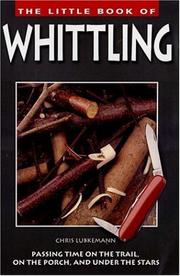
Start smaller than feels serious. Whittling Twigs and Branches by Chris Lubkemann has you carving found wood — twigs into roosters, flowers, and letter openers — with nothing but a pocketknife. It teaches the fundamental grips and cuts on material that costs nothing, which removes every excuse. His The Little Book of Whittling extends the same spirit into a couple dozen relaxed projects; between the two, knife control becomes something your hands know rather than something you think about.
Then get the full picture. The Complete Book of Woodcarving by Everett Ellenwood is the comprehensive reference — tools, wood selection, sharpening, and every major carving style — the book that organizes the craft so you can choose a direction deliberately.
Now pick up the classic directions one at a time. Relief Carving Workshop by Lora S. Irish teaches carving pictures into flat panels, with the patterns and stepwise technique of one of the field's best-known designers. Carving Folk Art Figures by Shawn Cipa opens up figure carving in the cheerful American folk tradition — forgiving, characterful, and a straight line from whittling skills. And when you're ready for the discipline's favorite challenge, How to Carve Faces in Driftwood by Harold L. Enlow — a legendary caricature carver — breaks down eyes, noses, and expressions into learnable cuts. For a dose of heritage, The Art of Whittling by Walter L. Faurot is the classic little text that shows how little the essentials have changed in a century.
Safety, in one line you shouldn't skip: carve away from your body, keep the off-hand behind the cutting edge or in a carving glove, and remember a sharp knife is safer than a dull one — dull blades need force, and force is what slips.
The habit: the twenty-minute nightly whittle
Keep a knife, a strop, and a few blocks of basswood in a box by your chair, and carve twenty minutes each evening — starting every session with two minutes of stropping. Small daily sessions build knife control the way nothing else does, the strop habit means you're always cutting with a keen edge, and a bowl of accumulating little carvings is its own motivation.
Time and the path
Seven books is roughly 70 hours of reading, dwarfed pleasantly by the shavings you'll make alongside them. Follow the path, or start at the woodcarving hub. When you want to build the things you carve onto, the woodworking hub is next door.
FAQ
- What wood should a beginner carve?
- Basswood is the standard answer — soft, fine-grained, and predictable, which is why nearly every book on this path assumes it. Green twigs and branches are even cheaper for pure knife practice.
- What is the difference between whittling and woodcarving?
- Whittling is knife-only carving, usually of small handheld objects; woodcarving is the broader craft including gouges, chisels, and mallets for relief and sculptural work. This path starts with whittling because one knife teaches the control everything else builds on.
Get the books
- 1Whittling Twigs and BranchesAmazon ↗Chris Lubkemann
- 2The Little Book of WhittlingAmazon ↗Chris Lubkemann
- 3The complete book of woodcarvingAmazon ↗Everett Ellenwood
- 4Amazon ↗
- 5Carving Folk Art FiguresAmazon ↗Shawn Cipa
- 6How to carve faces in driftwoodAmazon ↗Harold L. Enlow
As an Amazon Associate we earn from qualifying purchases. Some book links are affiliate links; you pay the same price and we may earn a small commission.
Follow the full reading path


Carve wood with hand tools
Beginner7books16 hrs4 stages
@craftsherpa♥ 0
Ready to learn something deeply?
Build a reading path — free