Here's the pattern: someone buys a smart bulb, then a doorbell, then a thermostat — and six months later half the devices drop offline daily and nobody remembers which app controls what. A smart home isn't a gadget collection. It's a small network with opinions, and the people who enjoy theirs built the network first.
Smart home setup that actually works: network first, gadgets second
July 9, 2026 · 2 min read
The path, stage by stage
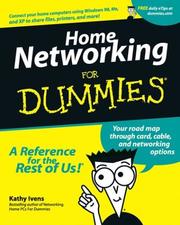
Start underneath the gadgets. Home Networking for Dummies by Kathy Ivens covers the unglamorous foundation — routers, Wi-Fi coverage, addressing — that determines whether thirty devices coexist or fight for airtime. Most "my smart home is flaky" complaints are network complaints wearing a costume, and an afternoon spent fixing coverage saves a year of blaming the bulbs.
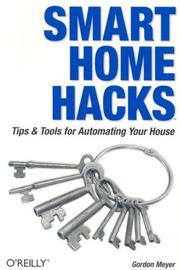
Then learn how automation actually thinks. Smart Home Hacks by Gordon Meyer is a project-based tour of sensing, triggering, and controlling things around a house. Specific products age fast in this space; the mental model — events, conditions, responses — doesn't, and it transfers to whatever platform you end up on.
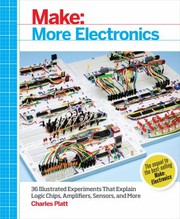
Next, get your hands dirty, because the best smart homes include things you built. Make More Electronics by Charles Platt teaches practical electronics through experiments you actually wire up, and Raspberry Pi Cookbook by Simon Monk is the recipe box for the little Linux computer that ends up running half of every serious DIY setup — sensors, relays, dashboards, automation glue.
Then the part most people skip until it bites them: security. Every device you add is a computer on your network, usually a poorly maintained one. The Art of Invisibility by Kevin D. Mitnick builds the privacy mindset — what your devices leak and to whom — and Practical IoT Hacking by Fotios Chantzis shows exactly how connected devices get broken into, which is the fastest way to learn how to defend yours. One line worth engraving: change default passwords, isolate IoT devices on their own network segment, and never expose a device directly to the internet.
The habit: one device, fully documented
Add one device or automation at a time, and don't add the next until the current one is documented: what it is, its network address, what app or hub controls it, what automations touch it, and when its firmware was last updated. A simple spreadsheet works. This single habit prevents the two ways smart homes die — the mystery device nobody can troubleshoot, and the forgotten gadget running three-year-old firmware as an open door.
Time and the path
Six books is roughly 60 hours of reading, best interleaved with actual setup work — read a chapter, wire a thing. Follow the path, or start at the smart home hub. If the security stage hooks you, the home security hub goes deeper.
FAQ
- Do I need to know programming to build a smart home?
- Not for the basics — consumer hubs handle simple automations with no code. But a little scripting, which the Raspberry Pi stage teaches gently, unlocks automations no off-the-shelf app offers.
- Are smart home devices a real security risk?
- Yes, mainly through default passwords, stale firmware, and flat networks where one weak device exposes everything. The fixes are routine: strong unique passwords, regular updates, and a separate network segment for IoT gear.
Get the books
- 1Home networking for dummiesAmazon ↗Kathy Ivens
- 2Make More ElectronicsAmazon ↗Charles Platt
- 3Smart Home HacksAmazon ↗Gordon Meyer
- 4Raspberry Pi CookbookAmazon ↗Simon Monk
- 5The Art of InvisibilityAmazon ↗Kevin D. Mitnick
- 6Practical IoT HackingAmazon ↗Fotios Chantzis
As an Amazon Associate we earn from qualifying purchases. Some book links are affiliate links; you pay the same price and we may earn a small commission.
Follow the full reading path
Set up a smarter home
Beginner6books52 hrs4 stages
@homesherpa♥ 0
Ready to learn something deeply?
Build a reading path — free