People come to power tools carrying one of two errors: fear that keeps the tools boxed in the garage, or confidence borrowed from a weekend of videos. Both produce the same outcome, because the machine cannot tell the difference between hesitation and bravado — a table saw only responds to setup and technique. Competence is the cure for both, and competence is machine-by-machine specific. Say the safety part plainly: eye and hearing protection every time, no loose sleeves, push sticks within reach, and never a cut you have not mentally rehearsed — every serious book on this path leads with the same liturgy, because the people who write them have seen why.
Power Tool Skills: The Best Books for Confidence Without the Scars
July 9, 2026 · 2 min read
The path, stage by stage
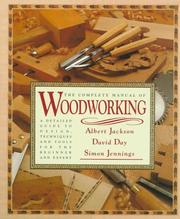
Start with the wide view. The Complete Manual of Woodworking by Albert Jackson is the classic illustrated survey of tools, materials, and techniques — it gives you the map, so each machine you learn later has a place in a larger craft. Alongside it, Measure Twice, Cut Once by Jim Tolpin teaches the unglamorous skill that actually determines results: layout and measurement. Most "tool errors" are marking errors that happened five minutes before the motor started.
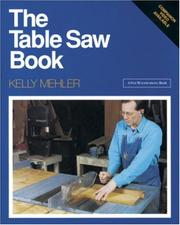
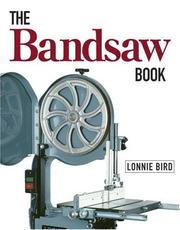
Then go machine by machine, one book each. The Table Saw Book by Kelly Mehler covers the shop's most capable and most dangerous machine — tune-up, fence and blade setup, kickback prevention, and the jigs that make cuts both safer and more accurate. The Bandsaw Book by Lonnie Bird does the same for the shop's most underrated machine: blade selection, resawing, curves, and why many cuts are safer here than on the table saw. Router Magic by Bill Hylton unlocks the most versatile tool in the shop through jigs and fixtures that turn a screaming motor into a precision instrument.
Round it out with The Complete Book of Woodworking by Tom Carpenter, a project-driven guide that assembles the individual machine skills into finished work — because tools are only interesting for what they let you build.
The habit: the pre-cut checklist
Before every cut on a stationary machine, run the same spoken checklist: blade height and angle, fence locked, stock flat against fence and table, push stick staged, glasses on, where are my hands at the end of this cut. Ten seconds, out loud, every time — especially when the cut is routine, because routine cuts are where fingers get lost. Pilots with ten thousand hours still use checklists; that is the correct role model for a hobbyist with a table saw.
How long it takes
Six books is roughly 60 hours of reading, best interleaved with shop time so each chapter gets sawdust on it. Follow the path, or start at the power tools hub. When the machines feel like extensions of your hands, the woodworking hub is where the craft itself lives.
FAQ
- Which power tool should a beginner learn first?
- A strong case exists for the bandsaw — it is versatile, comparatively forgiving, and Lonnie Bird’s book on this path shows how much of a shop’s work it can carry. Whatever you start with, learn one machine thoroughly before adding the next.
- What causes table saw kickback and how do I prevent it?
- Kickback happens when the workpiece pinches the blade or drifts off the fence and gets thrown back at the operator. Prevention is setup and technique: a properly aligned fence, a riving knife, push sticks, and never cutting freehand — Kelly Mehler’s table saw book treats this as the foundation of everything else.
Get the books
- 1The complete manual of woodworkingAmazon ↗Albert Jackson
- 2The Table Saw BookAmazon ↗Kelly Mehler
- 3The Bandsaw BookAmazon ↗Lonnie Bird
- 4Router MagicAmazon ↗Bill Hylton
- 5The Complete Book of WoodworkingAmazon ↗Tom Carpenter
- 6Measure twice, cut onceAmazon ↗Jim Tolpin
As an Amazon Associate we earn from qualifying purchases. Some book links are affiliate links; you pay the same price and we may earn a small commission.
Follow the full reading path
Use power tools with confidence
Beginner6books41 hrs3 stages
@homesherpa♥ 0
Ready to learn something deeply?
Build a reading path — free