Here's what nobody tells the first-time built-in builder: furniture is built square, and houses aren't. Walls bow, floors slope, corners lie. The beginner builds a perfect bookcase in the garage, carries it inside, and watches quarter-inch gaps yawn along a wavy wall. Built-ins are their own craft precisely because they're a negotiation between clean geometry and a crooked room — and the skills that manage that negotiation (measuring in place, scribing, sequencing) are exactly what a good reading path teaches.
Built-in shelving books: make it fit the wall, not the fantasy
July 9, 2026 · 2 min read
The path, stage by stage
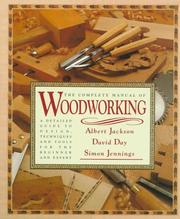
Start with the foundation everything rests on: The complete manual of woodworking by Albert Jackson — wood movement, joinery, tools, and technique in one reference you'll consult for years. Shelving is simple woodworking, but simple woodworking done visibly, at room scale, where errors show. Then read Measure twice, cut once by Jim Tolpin, which is secretly the most important book on this path: measurement, layout, and fitting are nine-tenths of built-in work, and Tolpin treats them as the craft they are — including scribing, the humble technique that mates a straight cabinet to a curved wall and separates work that looks built-in from work that looks parked against the drywall.
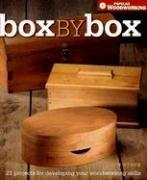
Build skills with Box by box by Jim Stack, because a bookcase is boxes all the way down, and each of his projects adds exactly one technique to your repertoire — the gentlest possible skills ladder for a first-time builder. For the tool-philosophy layer, The Anarchist's Tool Chest by Christopher Schwarz is the bracing argument for a small kit of excellent tools and skills over a garage of gadgets — read it before the table-saw catalog seduces you.
Then the house side: Renovation by Michael W. Litchfield covers what you're attaching to — studs, wiring lurking in walls, baseboard and trim logic — the difference between shelves that are in a room and shelves that are of it. Finish with Wood Finishing 101 by Bob Flexner, because a built-in gets touched every day, and Flexner's myth-free approach is how the finish survives that.
The habit: story sticks, not tape measures
For every project, make a story stick — a strip of scrap holding the actual layout marks of the actual wall: every shelf height, every stud, every outlet. Transfer measurements by mark, not by number. Numbers get misread and re-measured differently; a stick can't lie, and it makes wavy-wall reality visible before you cut anything expensive. It's the single pro habit that most reduces built-in errors, and it costs one piece of scrap and ten minutes at the start of each job.
Plan about 60 hours of reading. Follow the path or start at the custom shelving hub. The deeper craft continues at the woodworking hub.
FAQ
- What tools do I need to build built-in shelves?
- A circular saw with a straightedge guide, a drill, a level, a stud finder, and clamps will build real built-ins. Schwarz’s book makes the case that skills and a few good tools beat a shop of machines — especially for room-scale carpentry.
- Why do my shelves have gaps against the wall?
- Because the wall isn’t flat — almost no wall is. The fix is scribing: tracing the wall’s actual contour onto your piece and cutting to that line. Tolpin’s measurement book covers it; it’s the defining skill of built-in work.
Get the books
- 1The complete manual of woodworkingAmazon ↗Albert Jackson
- 2The Anarchist's Tool ChestAmazon ↗Christopher Schwarz
- 3Box by boxAmazon ↗Jim Stack
- 4Shelves, Cabinets and BookcasesAmazon ↗Editors of Fine Woodworking
- 5Measure twice, cut onceAmazon ↗Jim Tolpin
- 6RenovationAmazon ↗Michael W. Litchfield
As an Amazon Associate we earn from qualifying purchases. Some book links are affiliate links; you pay the same price and we may earn a small commission.
Follow the full reading path

Build custom shelves for your home
Beginner7books54 hrs5 stages
@homesherpa♥ 0
Ready to learn something deeply?
Build a reading path — free