Landscape photography is a craft of preparation and patience: being in the right place, in the right light, with the technical control to capture a scene's full range — and then the editing skill to finish it. Beginners tend to fixate on cameras and lenses when the real gains come from mastering exposure, learning to compose, chasing good light, and processing well. The path below stacks those skills in a sensible order, from fundamentals to seeing to the digital darkroom.
Best Landscape Photography Books, in Reading Order
July 14, 2026 · 2 min read
Foundations: exposure and composition
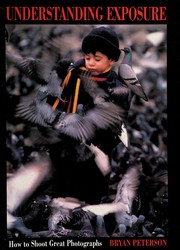
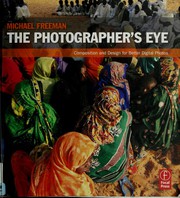
Start with Understanding Exposure by Bryan F. Peterson to make aperture, shutter, and ISO second nature — essential for the wide dynamic range and deep focus landscapes demand. Then build your compositional eye with The Photographer's Eye by Michael Freeman, the best practical book on why an image holds together. With those two, you can already make competent frames.
Core: the craft of landscape
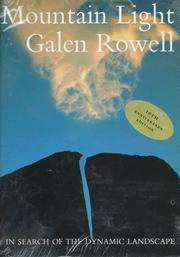
Now get genre-specific. Landscape Photography by John Batdorff and The Landscape Photography Book by Scott Kelby are both approachable, practical guides to the field workflow — planning, filters, focus, and shooting in the field. For inspiration and mastery of natural light, Mountain Light by Galen Rowell is a classic that pairs stunning work with the pursuit of the fleeting moment when land and light align.
Depth: seeing and processing
Deepen your vision with The Art of Photography by Bruce Barnbaum, a thoughtful book on composition and personal expression, and Photography and the Art of Seeing by Freeman Patterson, which trains the perception that separates a snapshot from a photograph.
Finally, finish the image. Much of modern landscape work happens in editing, so learn it properly: Rob Sheppard's Outdoor Photographer guide covers the nature-processing workflow, The Adobe Photoshop Lightroom Classic Book for Digital Photographers by Scott Kelby is the standard Lightroom guide for cataloging and developing raw files, and Adobe Photoshop for Photographers by Martin Evening is the deep reference for pixel-level control.
Worked in this order, you master capture before processing and seeing before both — so the final image reflects an eye and a scene, not just a slider.
Chase light and shoot raw
Landscape photography is decided long before the shutter clicks, by when and where you stand. The soft, directional light of early morning and late evening will do more for your images than any technique, so plan around it — the pursuit at the heart of Mountain Light is exactly this patience for the right moment. Shoot in raw so the wide dynamic range of a landscape survives into editing, and get comfortable with the tools of exposure — a tripod, small apertures for depth of field, and filters where needed — until the fundamentals from Understanding exposure are automatic. On the compositional side, slow down: work a scene, try different foregrounds, and use the seeing exercises in Photography and the art of seeing to find an image rather than just documenting a view. Then finish deliberately in The Adobe Photoshop Lightroom Classic Book for Digital Photographers, developing the raw file to match what you actually felt standing there, without pushing it into caricature. Follow the full landscape photography path for each stage's study plan, or explore related photography paths.
FAQ
- Do I need to learn Lightroom and Photoshop?
- For modern landscape work, yes — a large part of the result is made in editing. The Adobe Photoshop Lightroom Classic Book is the standard starting point, with Photoshop for finer control.
- What matters more, gear or skill?
- Skill, decisively. Understanding Exposure and The Photographer's Eye will improve your landscapes far more than new equipment, and Mountain Light shows what patience and light can do.
Get the books
- 1Understanding exposureAmazon ↗Bryan F. Peterson
- 2The Photographer's EyeAmazon ↗Michael Freeman
- 3Mountain LightAmazon ↗Galen Rowell
- 4The art of photographyAmazon ↗Bruce Barnbaum
- 5Outdoor Photographer Landscape and Nature Photography with Photoshop CS2 (Outdoor Photographers)Amazon ↗Rob Sheppard
- 6Photography and the art of seeingAmazon ↗Freeman Patterson
As an Amazon Associate we earn from qualifying purchases. Some book links are affiliate links; you pay the same price and we may earn a small commission.
Follow the full reading path
Landscape photography: books to capture stunning outdoor scenes
Beginner7books53 hrs4 stages
@craftsherpa♥ 0
Ready to learn something deeply?
Build a reading path — free