Labour writing splits cleanly into three kinds of book, and mixing them up is why people find the subject confusing. There are narrative histories of strikes and movements. There is empirical economics on what unions measurably do to wages, productivity and inequality. And there are organizing manuals written by people who run campaigns. Each answers a different question, and a list that shuffles them together reads as a jumble of opinions.
Read them in that order — history, then evidence, then method — and each tier explains the next. The histories tell you why the legal framework looks the way it does. The economics tells you what the stakes actually are. The manuals only make sense once you know both.
One thing this path is not: legal guidance. Labour law is intensely jurisdiction-specific, protections for organizing vary enormously between countries and between US states, and the practical risks of a campaign are real. These books describe how organizing works; a union or an employment lawyer tells you what is lawful where you are.
The histories
Fight Like Hell is the best entry point, and it is deliberately not the standard survey. Kim Kelly writes American labour history through the workers usually left out of it — domestic workers, sex workers, disabled workers, immigrants, Black and Indigenous organizers — and the effect is to make the familiar account look partial rather than wrong.
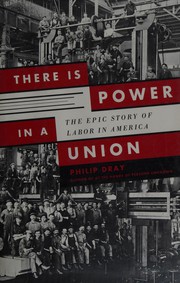
There is power in a union is Philip Dray's conventional narrative history, the long arc from the early craft unions through the great strikes to the postwar settlement, and it is the book to read for the through-line.
A history of America in ten strikes is Erik Loomis structuring the same period as ten conflicts, which makes it much shorter and easier to hold. His argument is that the state, not the employer, is usually the deciding party — worth having in mind before the economics.
The evidence
What do unions do? is Freeman and Medoff's 1984 study and the most important empirical work here. Their finding, that unions raise wages but also reduce turnover and can raise productivity, cut against the economics profession's assumptions at the time and has been argued about ever since. Later economists have contested parts of it and the debate is live rather than closed; read it as the opening of an argument.
State of the Union is Nelson Lichtenstein's account of why American union density collapsed, which is a genuinely contested question — law, structure, employer strategy and the unions' own choices all have advocates as the primary cause.
Which side are you on? is Thomas Geoghegan, a labour lawyer, writing from inside the decline with more candour than the institutional histories allow. Beaten Down, Worked Up is Steven Greenhouse bringing the story into the present, including the recent campaigns that suggest the decline is not a law of nature.
The organizing books, and the disagreement
Secrets of a successful organizer is the practical handbook from Labor Notes: mapping a workplace, identifying leaders, structuring a campaign, running a meeting that does something. It is the closest thing to a manual on this list.
No shortcuts is Jane McAlevey's argument, and it is a direct challenge to how much of the field operates. She distinguishes advocacy and mobilizing from organizing, and argues that only the last — building genuine majority participation with organic workplace leaders — produces power that lasts. Her position is contested by people who think it underrates the role of staff, media and political pressure. A Collective Bargain is the shorter, more accessible version of the same case.
Rules for radicals closes the path with an honest caveat: Saul Alinsky was a community organizer rather than a union one, his tactics were designed for neighbourhood power rather than the workplace, and he is a contested figure claimed and attacked across the political spectrum. McAlevey's method is in part an argument against the tradition he founded. Read it last, with that framing, and let the disagreement stand.
Follow the full path below for the sequence in order.
Follow the full ordered path here: Labor Unions and Organizing: Books to Read, in Order.