Japanese home cooking confuses newcomers because it is built on a pantry and a philosophy rather than on individual recipes. Dashi, miso, soy, mirin, and rice form a grammar; once you understand it, a hundred dishes follow naturally. Come at it recipe-first and you buy ten obscure ingredients for one dish and never cook that way again. Come at it system-first and your kitchen quietly reorganizes around a few staples you use every day.
So the order matters. You want to learn the pantry and the everyday rhythm first, then broaden into regional and comfort cooking, then go deep into fermentation and the classical technique that underpins it all. This path is arranged to build that foundation before it stretches you.
Learn the everyday rhythm
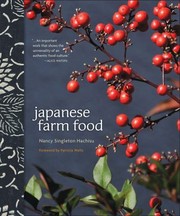
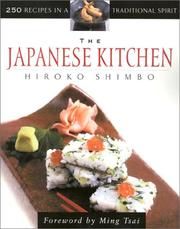
Start with Japanese Farm Food by Nancy Hachisu Singleton, which teaches washoku as a way of eating — seasonal, simple, built around a stocked pantry — so the whole approach makes sense before any single dish. Then The Japanese kitchen by Hiroko Shimbo is your reference for ingredients and core techniques, the book you keep open while you learn what each staple does. Everyday Harumi by Harumi Kurihara proves how quick and unfussy real home meals can be, which keeps you cooking on weeknights.
Broaden into comfort and regional food
With the basics down, have fun. Japanese soul cooking by Tadashi Ono opens up the beloved everyday dishes — gyoza, tonkatsu, tempura, curry — that Japanese families actually eat. Ivan Ramen by Ivan Orkin is a deep, personal dive into one dish done obsessively well, and it teaches patience and layering of flavor better than most broad cookbooks.
Go deep into fermentation and craft
Now the roots. The art of fermentation by Sandor Katz explains the microbial world behind miso, soy, and pickles, so the pantry stops being mysterious. Preserving the Japanese way by Nancy Singleton Hachisu applies that directly to Japanese tradition — tsukemono, misozuke, and the seasonal preserving that defines the cuisine. Japan, the Vegetarian Cookbook by the same author shows how complete and satisfying plant-forward washoku can be. Finally, Japanese cooking by Shizuo Tsuji is the classical bible — the authoritative treatment of technique, dashi, and structure that ties the whole path together.
Work through them in order and Japanese cooking stops being a special occasion and becomes how you cook on a Tuesday. Follow the full reading path and the pantry, technique, and rhythm will feel like second nature.
Follow the full reading path →
Ready to learn something deeply?
Build a reading path — free