Start with The neon rain, the 1987 first novel, and read in publication order. There is no chronological alternative and no better entry point: the crime plots in this series are largely interchangeable, and the actual series is the continuing material — the sobriety, the marriages, the daughter Alafair growing up, and what happens to the people Robicheaux loves.
That is also the argument against dipping in. Reading out of order does not confuse you; it spoils you. Several books turn on a death you would otherwise meet unprepared, and the biggest emotional payoffs are cashing in twelve books of setup. One warning before you commit: Burke writes long lyrical passages about Louisiana light and weather in the middle of violent books, deliberately, and that prose is both why people stay and why some readers bounce off him.
The first three
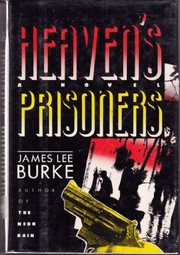
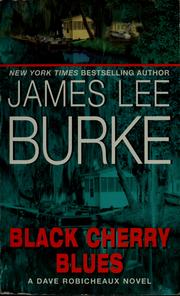
The neon rain is still a New Orleans police procedural rather than the thing the series becomes, but everything about Robicheaux's history, his temper and his friendship with Clete Purcel is established here and never re-explained. Heaven's prisoners takes him out of the department and into a bait shop, and it is where the series finds its real subject — a plane crash, a child pulled from the water, and consequences that run for the next thirty years. It is the single most load-bearing book in the run; read it immediately after the first. Black Cherry Blues won the Edgar and made Burke's reputation, sending Robicheaux to Montana on a murder frame, which incidentally demonstrates how much the Louisiana setting was doing.
The series at full strength
A morning for flamingos has Robicheaux shot, recovering, then working undercover against a New Orleans mob family; it is the most conventionally plotted book of this stretch and the one that puts him back in law enforcement for the long run. In the electric mist with Confederate dead is the best-known novel in the series, in which Robicheaux converses with the ghost of a Confederate general in the mist over the Atchafalaya. It either converts you to Burke or loses you, and there is little point continuing if it is the latter. Dixie City jam follows directly, with a sunken Nazi submarine and the most frightening antagonist in the early run.
The strong middle
Cadillac Jukebox takes on a civil-rights-era murder and a governor's race, and it is where Burke's politics become explicit rather than implied. Sunset limited concerns a labour organiser crucified on a barn door forty years earlier and a town that has agreed not to remember; it is one of the tightest plots in the series. Purple cane road has Robicheaux investigating his own mother's death, which the books have circled since the first one, and it is the clearest demonstration of why publication order matters.
Katrina and the late books
The Tin Roof Blowdown is Hurricane Katrina and its aftermath — furious, grief-stricken and specific about what happened in New Orleans, and by common consent the best thing Burke wrote after the Edgar winner. It works alone but is far heavier if you have watched this city across fifteen novels. The glass rainbow puts a grown Alafair and her unsuitable boyfriend at the centre of the plot and ends on the boldest note in the series. A Private Cathedral is late Burke at his most unrestrained: a time-travelling assassin in a Robicheaux novel, played entirely straight. It divides readers sharply.
Where to stop
A Private Cathedral is a reasonable place to stop. The remaining Robicheaux titles are enjoyable and can be read in any order; the sequential payoffs have largely been paid by then, and the books become more elegiac and less plotted from The glass rainbow onward.
The two novels outside the series
The lost get-back boogie was rejected by publishers roughly a hundred times over nine years before appearing in 1986 and being nominated for a Pulitzer. A paroled musician in Montana, almost no crime plot, and the purest sample of Burke's prose. Wayfaring Stranger runs from a boy meeting Bonnie and Clyde through the Battle of the Bulge to the postwar Texas oil business — the most ambitious book he has written, and the right one to finish on, because it shows the moral concerns of the Robicheaux novels working at a scale the series could not hold.
Follow the full ordered path here: Dave Robicheaux books in order: where to start with James Lee Burke.
Ready to learn something deeply?
Build a reading path — free