Most people try to clean their way out of a mess that is really a systems problem. You can't keep a home in order until you own less, store what remains sensibly, and run a routine that survives busy weeks and bad days. Reading in order builds that stack from the bottom up.
The sequence moves from getting rid of the excess, to organizing what's left, to designing daily and weekly rhythms — with a crucial detour into the reality that not every day allows a perfect clean.
Start by owning less
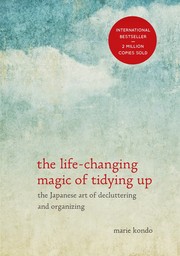
Clutter is the enemy of every routine, so clear it first. The Life-Changing Magic of Tidying Up is the famous starting point for deciding what to keep by feel rather than rule. Decluttering at the Speed of Life by Dana K. White is the grounded counterpart for people whose homes and schedules resist neat methods — it meets you in the mess.
Organize what remains
Now give everything a home. The Home Edit is the visual, category-driven system for making storage both functional and satisfying, while Organized Home by Shira Gill offers a calmer, more minimal approach to the same goal. Choose the voice that fits you; both teach the same underlying skill of putting like with like.
Make it sustainable, and forgiving
This is where routines usually break, so read the realistic books before the rigid ones. How to Keep House While Drowning reframes cleaning around function and self-compassion — vital for anyone whose energy varies. Then build the actual mechanics: Clean my space by Melissa Maker teaches efficient technique and product know-how, The Peaceful Home connects order to calm, and Sink reflections delivers the classic routine of small, repeatable daily habits (the "shiny sink" method) that turn cleaning from a crisis into a rhythm.
Read this path in order and you'll stop white-knuckling your housework — declutter, organize, then run a routine flexible enough to keep. Follow the full path to a home that stays in order without running your life.
Follow the full reading path →
Ready to learn something deeply?
Build a reading path — free