Gilding splits into two techniques that share a material and almost nothing else, and knowing which one you want before you buy a book saves a great deal of frustration. Oil gilding lays leaf onto an oil-based size. It is forgiving, works on almost any surface, tolerates a beginner's hands, and produces a matte gold that never burnishes. Water gilding builds layers of gesso and bole, lays leaf onto a wetted surface, and can be burnished with an agate to a mirror. It is the traditional method for frames, altarpieces and furniture, and it is genuinely difficult — the failures happen in the gesso, days before the leaf appears.
Reading order matters because those two facts point in opposite directions. Almost everyone should oil gild something small first, in a single afternoon, before reading a word about bole. The literature here is small — three books cleared verification — but it is the kind of small literature that traditional crafts tend to have: old, still correct, and worth owning.
Start with a project
Gilding by Jane LaFerla is the modern introduction and the right first book. It is project-led, covers leaf types and the difference between genuine gold, imitation leaf and composition metals, and gets you laying leaf on a frame or a small object quickly. That matters, because handling leaf is a physical skill with a comically low tolerance for breath and static, and no amount of reading prepares you for how a sheet of gold behaves when you look at it too hard. Do the simple projects. Ruin some leaf. Buy imitation leaf for practice.
The primary source, still in use
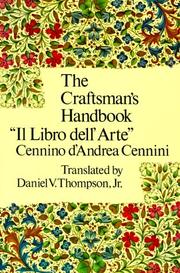
The craftsman's handbook is Cennino Cennini's Il Libro dell'Arte, written around 1400 as a working manual for painters' workshops, and it remains the clearest description of traditional water gilding in existence — gesso grosso and gesso sottile, the preparation of bole, laying and burnishing, and the tempering of colours over gold. Modern conservators still read it as instruction, not just as history. The translation is readable, the tone is that of a craftsman talking to an apprentice, and the archaic passages about grinding pigments are worth reading anyway for what they reveal about how the work was organised.
Two cautions. The materials chapters include preparations no one should replicate today without knowing what they are handling. And Cennini assumes an apprenticeship — he is filling in the gaps in what a master already showed you, which is exactly why he is a second book and not a first.
Where gilding is actually paid for
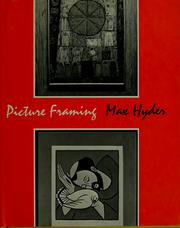
Picture framing by Max Hyder brings the craft back to its most common commercial application. Gilded and part-gilded frames are where most working gilders spend their time, and framing supplies the surrounding skills — joining, compo ornament, toning and antiquing a new gild so it does not look new. Read it if you want the work to go beyond decorating objects around the house.
Three books is the whole honest list, and the gaps are real: there is no comprehensive modern water-gilding manual on this path. What fills that gap is a short course. Gilding is taught in conservation workshops, framing studios and craft schools in most countries, and two days beside someone who has laid ten thousand sheets will teach you more about pulling gesso and judging when the water has gone off than any chapter can. If you like the finishing side of this, cosplay costume making uses the same metal-leaf tricks on a very different scale.
Follow the full ordered path here: Gilding Books: A Short Reading Order for Gold Leaf.
Ready to learn something deeply?
Build a reading path — free