The internet is full of adults stuck at the same chess rating for years — and almost all of them are studying openings. Meanwhile every coach says the same thing: below master level, games are decided by tactics and endgames. Improvement isn't about studying more; it's about studying in the right order.
Getting good at chess as an adult: a staged reading plan
July 6, 2026 · 1 min read
The path, stage by stage
Our chess path is built the way coaches actually train students:
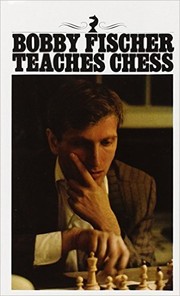
Foundations. Capablanca's Chess Fundamentals — a world champion explaining first principles with almost eerie clarity — plus Bobby Fischer Teaches Chess, a programmed course that drills basic patterns until they're reflexes.
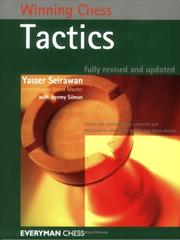
Tactics. Seirawan's Winning Chess Tactics and Chess Tactics for Students. This stage deserves the most hours-per-page of the whole path: solve, don't skim. Tactical pattern recognition is the single highest-leverage skill below expert level.
Strategy and positional play. Seirawan's Winning Chess Strategies, then the classic that shaped a century of players — Nimzowitsch's My System — then Silman's How to Reassess Your Chess, which turns positional understanding into a practical thinking method (his "imbalances" framework).
Endgames. Silman's Complete Endgame Course is uniquely ordered by rating, so you study only what your level needs. Dvoretsky's Endgame Manual is the deep reference waiting at the end of that road.
Mastery. Kotov's Think Like a Grandmaster on calculation discipline, and Kasparov's My Great Predecessors — the history of chess thought through its champions.
The 20-minute rule
Reading about chess without playing is like reading about swimming. The path works when each session is paired: 20 minutes of book, then games where you deliberately apply the idea, then a quick review of where it went wrong. Slow games, not blitz — blitz tests reflexes you haven't built yet.
Roughly 75 hours of reading, spread across a year of play, is a realistic route from casual to genuinely strong club player. Follow the path or browse the chess hub.
FAQ
- Should adults study openings at all?
- Learn opening principles (development, center, king safety) and a couple of simple systems — then stop. Below expert level, deep opening theory is the lowest-return study there is.
- Is it too late to get good at chess as an adult?
- Too late for the world championship, not for strong club play. Adults learn structured material faster than kids; what they lack is drilled pattern recognition — which is exactly what the tactics stage builds.
Get the books
- 1Chess fundamentalsAmazon ↗José Raúl Capablanca
- 2Bobby Fischer Teaches ChessAmazon ↗Bobby Fischer
- 3Amazon ↗
- 4Chess Tactics for StudentsAmazon ↗John A. Bain
- 5Winning chess strategiesAmazon ↗Yasser Seirawan
- 6My SystemAmazon ↗Aron Nimzovich
As an Amazon Associate we earn from qualifying purchases. Some book links are affiliate links; you pay the same price and we may earn a small commission.
Follow the full reading path
How to learn Chess
Beginner11books75 hrs5 stages
@craftsherpa♥ 0
Ready to learn something deeply?
Build a reading path — free