Start at Fullmetal Alchemist 1 and read straight through. There is no publication-versus-chronological question, no side series to slot in, no anthology volumes to skip: Hiromu Arakawa serialised a single continuous story for roughly a decade, ended it deliberately, and never went back. The reading order is the numbers, 1 to 27.
The decision that actually matters is which edition you buy, because three of them exist in English and mixing them is how you end up with a shelf that has a gap in the middle and two copies of the same chapters.
Pick one edition and stay in it
The single volumes run 1 to 27. That is the numbering this list uses, and it is the cheapest way in — the English singles are published by Viz Media.
The 3-in-1 omnibus collects three singles per book, so nine fat paperbacks cover the whole series and the spine numbers do not correspond to volume numbers at all. The Fullmetal Edition is an oversized hardcover reissue in eighteen volumes with new covers, colour pages and a larger trim.
All three are complete and none is abridged. The only wrong move is switching between them mid-run. Our list covers volumes 1 through 14, roughly the first half, in single-volume numbering throughout.
Check the language before you order
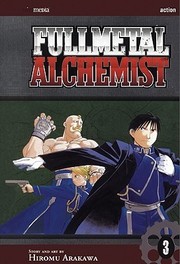
Several of the records here are not English editions. Fullmetal Alchemist 5 is a Spanish edition, volume 11 is a Taiwanese one, and volumes 10, 12, 13 and 14 are the original Japanese releases. Fullmetal Alchemist, Volume 3 is an English library binding, which is why its title is formatted differently from its neighbours.
Our catalogue matches books by title and volume number, which identifies the right book and tells you nothing about what language it is printed in. Look at the publisher and language on the listing before you buy — this is the single most common way to get the wrong parcel with a manga series that has been translated into a dozen languages.
What you are actually reading
Two brothers attempt an alchemical resurrection, it goes catastrophically wrong, and the survivors spend the series trying to undo the damage. The early volumes are close to episodic, with a case-of-the-week rhythm and a lot of comedy. Somewhere around the middle the series resolves into a single political conspiracy plot, and almost every gag and minor character from the early volumes turns out to be load-bearing. That structure is the reason people re-read it, and it is also why skipping ahead does not work.
Content notes, as plain facts about the book: a state-run extermination campaign against a civilian population is central to the plot rather than background colour, there is a death of a child in the early volumes that most readers remember longer than anything else in the series, and there is sustained body horror throughout.
Manga first, or Brotherhood first
The 2009 anime adaptation follows the manga closely and reaches the same ending, so watching it first spoils the book comprehensively. The 2003 anime shares roughly the first quarter of the story and then departs into an entirely different plot with a different ending, because it was made while the manga was still running.
If you have seen the 2009 series, the manga is the same story and most readers find its pacing tighter and its comedy sharper. If you have only seen the 2003 series, expect the manga to diverge hard and stay diverged.
Where to stop
Nowhere — that is the unusual thing about it. Twenty-seven volumes, one planned ending, no sequel series and no reboot of the manga. A handful of spin-off light novels and one-shots exist and are not in this list; nobody treats them as required, and they do not continue the story.
If you want more manga of this scale, browse the wider catalogue rather than the spin-offs.
Follow the full ordered path here: Fullmetal Alchemist Reading Order: Where to Start and What Order to Read It In.