Few questions are as unsettling as whether we are truly free. Neuroscience seems to show decisions forming before we are aware of them, yet moral and legal life assumes we could have done otherwise. The debate is fierce and genuinely unresolved. Reading it in order, hearing the skeptics, the scientists, and the compatibilists in turn, lets you weigh the strongest cases against each other.
The path opens with the provocations, adds the science, and ends with the philosophical responses and moral stakes.
The provocation
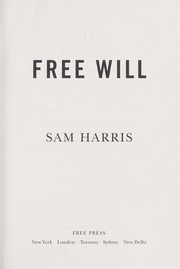
Start with Free will by Sam Harris, a short, forceful argument that free will is an illusion incompatible with what we know about the brain; it states the challenge with maximum clarity. Free will as an open scientific problem by Mark Balaguer then complicates that confidence, arguing the science is far from settling the question either way. Together they set up the fight.
The science of choice
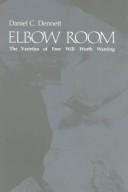
The empirical case deserves careful reading. Elbow room by Daniel Dennett is his classic defense of the varieties of free will worth wanting, and The illusion of conscious will by Daniel Wegner presents the psychological evidence that our sense of authorship can mislead us. Who's in charge? by Michael Gazzaniga brings a leading neuroscientist's view that responsibility survives even a determined brain. These books show how contested the data really are.
Responsibility and the verdict
The final arc is about what follows for morality and justice. Moral Responsibility: The Ways of Scepticism by Derk Pereboom argues we can drop desert-based blame and be better for it, while Just Deserts by Daniel Dennett stages his sharp debate with Pereboom over exactly that. Freedom evolves by Dennett gives his fullest positive account of how freedom is real and naturally evolved, and Four Views on Free Will by John Martin Fischer and colleagues lays out the main positions side by side, an ideal capstone.
Read in this order and free will becomes a debate you can reason through rather than a slogan. Follow the full path to weigh every side.
Follow the full reading path →
Ready to learn something deeply?
Build a reading path — free