Start with Cop Hater. It is the first 87th Precinct novel, published in 1956, and it is where the police procedural as we now understand it takes its modern shape: a squad rather than a detective, a city rendered in the same detail as the crime, forensic reports and duty rosters treated as narrative material. It is short, it is fast, and it sets up the men you will follow for half a century.
Before the order, the names — because this is the single most confusing author on any crime shelf. Ed McBain was a pen name. It belonged to Evan Hunter, and Evan Hunter was itself an adopted name: he was born Salvatore Lombino and changed it legally in 1952. Our catalogue files most of the 87th Precinct novels under Evan Hunter and the first under Ed Mcbain, which is why the sequence below looks like it has two authors. It has one.
The founding books
Cop Hater (1956) begins it. Detectives are being shot in a heatwave, and the investigation is procedural to the bone.
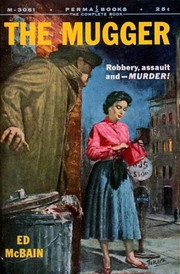
The mugger (1956) came out the same year and is the second in the series. It is worth reading immediately after the first because the two together establish the method: McBain wrote them fast, deliberately, as paperback originals, and the squad expands book by book rather than arriving fully formed.
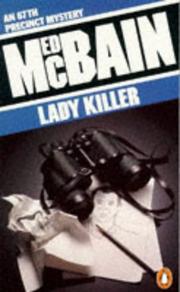
Lady Killer (1958) is the eighth and the best early demonstration of the format's flexibility. A note arrives promising a murder at eight that evening, and the entire novel occupies the hours before the deadline. Time is the structure.
The later run
Ice (1983) is a good sample of the mature series, twenty-seven years on. The squad is older, the city has changed, the drug economy has arrived, and the writing is leaner rather than tireder. Reading it directly after the 1950s books shows how much the series absorbed without ever abandoning its shape.
The 87th Precinct runs to fifty-five novels, ending with Fiddlers in 2005. Most of them are not in our catalogue, and their absence here is a gap in the record rather than a judgement — the well-known middle-period entries, among them Killer's Choice, Lady, Lady, I Did It!, Doll, Fuzz, Sadie When She Died and Hail to the Chief, are all worth reading if you take to the first two.
The novel written under the other name
The Blackboard Jungle (1954) is not an 87th Precinct novel and does not belong in the sequence. It was published as Evan Hunter, it predates McBain entirely, and it is a serious novel about a first-year teacher in a New York vocational high school — the book that made his reputation and was filmed the following year. Read it separately, and read it if you want to see that the man writing paperback procedurals had a literary career running alongside them the whole time.
How to read the series, and where to stop
Publication order is the only sensible order, and it matters more than in most procedural series because the squad members age, marry, are injured and occasionally die, and because Carella's family life runs as a continuous thread underneath the cases. Nothing forces you to read fifty-five books, though. A reasonable stopping point is after four or five: you will know by then whether the format holds you, and the format is what the series is. If it does hold you, the honest advice is to read them in publication order and simply keep going until you stop enjoying them.
The ordered path with stage notes is below; more crime and mystery paths are on Discover.
Follow the full ordered path here: Ed McBain 87th Precinct books in order: where to start.