Almost everyone who reads about D-Day reads about one morning and stops. That is the trap. The landings succeeded because of two years of planning and a deception operation that had German armour waiting at the wrong end of the coast, and the price was paid afterwards, in eleven weeks of bocage fighting that killed more men than the beaches did and that hardly any general reader can describe.
The second reason order matters here is that the modern literature is argumentative. Historians disagree, sharply and in print, about how well Allied troops fought in Normandy — and those arguments are unreadable until you already know the narrative they are revising. Read the classic accounts first, then the revisions.
Start with the day itself
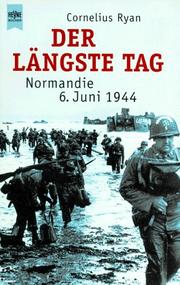
The Longest Day is still the right first book by a wide margin. Cornelius Ryan assembled it from thousands of participant accounts, German and Allied, while the survivors were in their forties, and no later book reproduces that hour-by-hour immediacy.
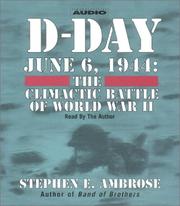
Follow it with D-Day, June 6, 1944, which covers the same twenty-four hours with far more American veteran testimony and better tactical detail on Omaha. Read the two together and note where they disagree. One thing to know going in: Stephen Ambrose was found to have plagiarised passages in several of his books, and researchers have questioned his account of his access to Eisenhower. The oral histories he collected remain valuable and are used by other historians, but he is not a source to take on trust alone. He appears three times on this path, which is a reason to read him alongside others rather than instead of them.
How the invasion was made possible
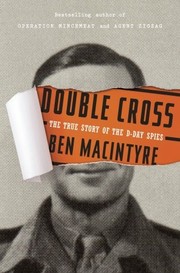
Double cross, published as Double Cross: The True Story of the D-Day Spies, is the most enjoyable book here and the clearest explanation of why the beaches were not far worse: a network of turned German agents sold Hitler a fictional invasion army. Cross-channel attack is the opposite in tone — the official US Army history, dry and authoritative, covering the planning and logistics that most popular accounts quietly stand on without citing. Pegasus Bridge narrows all the way down to one glider assault on one bridge in one night, and demonstrates better than anything else how much of 6 June depended on very small units doing exactly the right thing.
The campaign after the beaches
Antony Beevor's D-Day gives the landings one section and the rest of the book to the campaign, including the French civilian casualties from Allied bombing that most accounts pass over. It is the necessary correction to a beach-only picture.
Then the argument. Max Hastings in Overlord contends that German units consistently outfought Allied ones and that materiel rather than skill decided the campaign. James Holland answers him directly in Normandy '44, arguing at the operational level that the campaign ran roughly to schedule and that Allied doctrine has been badly underrated. Both are serious, well-evidenced books by working historians, and the disagreement between them is live and unresolved. Read both and hold the question open. In between, Six Armies in Normandy takes one national army per chapter, which is the cleanest way anyone has found to grasp a coalition battle, and it reorganises the material Beevor and Hastings present as narrative.
Reference, scale and what followed
Sand and Steel is the most exhaustive recent single volume, strongest on preparation and the naval side; it is reference-dense and best attempted once you can navigate the detail. Band of Brothers is placed late deliberately, so one parachute company reads as a case study rather than as an origin story. The Guns at Last Light closes the path by carrying the war from Normandy to the German surrender, which is the only way to see what the invasion actually bought.
Twelve books, four stages, in that order. Follow the full path below.
Follow the full ordered path here: Best Books on D-Day and the Normandy Landings, in Reading Order.