Croissants look simple and behave like nothing else in the kitchen. You are folding a slab of butter into dough over and over, then trusting steam and yeast to blow it into hundreds of shattering layers. Get the temperature wrong, over-flour a fold, or rush a proof and you get a dense, greasy brick instead of honeycomb. This is the one baking discipline where understanding the material really does come before the recipe.
That is why the reading order matters. You want to learn how flour, water, fat, and heat actually behave before you chase a photogenic bake, then move from foundational technique to master-level detail. Skip the science and you will repeat the same mystery failures; start with the hardest book and you will drown in specifics you cannot yet use.
Understand the material first
Begin with How Baking Works. It is the closest thing to a textbook for kitchen chemistry — gluten development, fat function, leavening, and why small changes cascade — and it turns lamination from luck into cause and effect. Pair it with Bread Science, which digs into fermentation and dough structure so you understand what the yeast is doing while you fold. Together they give you the vocabulary to diagnose your own results instead of guessing.
Learn lamination from the pros
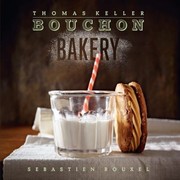
With the fundamentals in place, move to the working bakeries. Bouchon Bakery walks through Thomas Keller's exacting croissant and pastry methods with weight-based precision, which is exactly the discipline lamination demands. The Art of French Pastry by Jacquy Pfeiffer is the warmest teacher on the shelf: he explains the feel of the dough, the folds, and the common mistakes as a Master would to an apprentice. Pâtisserie at home keeps the same techniques approachable for a home kitchen and modest equipment, which keeps you practicing rather than intimidated.
Push toward mastery
Once you can turn out a reliable croissant, the deeper books reward you. The Ritz Paris: Haute Pâtisserie shows what refinement looks like at the very top, and studying it trains your eye even before your hands catch up. Breaking breads by Uri Scheft brings enriched and laminated doughs together with a baker's intuition and a lot of practical troubleshooting. When you want the last word on process and precision, Modernist bread dissects dough behavior at a level nothing else matches, and The Elements Of Dessert by Francisco Migoya sharpens the finishing craft — glazes, fillings, and plating — that turns good viennoiserie into memorable pastry.
Work these in order and lamination stops being a gamble. Follow the full reading path stage by stage, and by the end you will fold butter with the confidence of someone who knows exactly why the layers rise.
Follow the full reading path →
Ready to learn something deeply?
Build a reading path — free