Cognitive science is not one field but a conversation among several — neuroscience, psychology, linguistics, philosophy, and computer science — all circling the same question of how minds work. That makes it easy to get lost, reading a neuroscience book and a philosophy book that seem to describe different planets. A good order lets the pieces interlock.
The path begins with vivid, brain-centered stories, moves to the workings of reasoning, memory, and language, and closes with the grand syntheses that try to say what the mind ultimately is.
The brain and its quirks
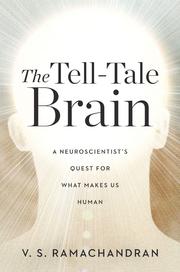
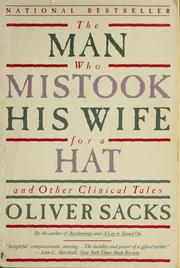
Start with The Tell-Tale Brain by Ramachandran, whose case studies of strange neurological conditions reveal how the normal mind is built. The Man Who Mistook His Wife for a Hat by Sacks does the same with unmatched humanity, using clinical stories to illuminate perception, identity, and memory. Incognito by Eagleman then makes the case for how much of mental life runs beneath awareness — a bracing introduction to the unconscious brain.
How thinking works
Next, the machinery of cognition itself. Thinking, fast and slow by Kahneman is the landmark account of the two systems behind human judgment and the biases they produce. Cognitive psychology by Eysenck is the systematic textbook that surveys attention, perception, and problem-solving. On memory, In Search of Memory by Kandel weaves a Nobel laureate's science with his life story to explain how memories physically form.
Language and the big questions
Language is cognitive science's crown jewel. The Language Instinct and How the Mind Works, both by Pinker, argue for language as an evolved instinct and lay out a computational vision of the mind, while Women, fire, and dangerous things by Lakoff offers the rival view that thought is grounded in bodily metaphor. The path ends with two syntheses: Gödel, Escher, Bach by Hofstadter, a dazzling meditation on how meaning and self emerge from formal systems, and The Embodied Mind by Varela, which argues that cognition is inseparable from a living, acting body.
Read in this order and the disciplines converge into one picture of the mind. Follow the full path to go from a single strange brain to the deepest questions about consciousness and thought.
Follow the full reading path →
Ready to learn something deeply?
Build a reading path — free