C++ is one of the largest languages in wide use, and it has accumulated decades of features on top of a C-compatible core. That size is exactly why reading order matters: dive into templates or move semantics before you understand objects and memory, and none of it sticks.
The path that works starts with a solid foundation in the core language, then teaches the habits that separate correct C++ from merely compiling C++, and only then reaches the powerful, tricky machinery — the standard library and templates — that make modern C++ worth the effort.
Build the foundation
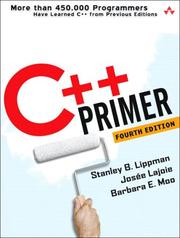
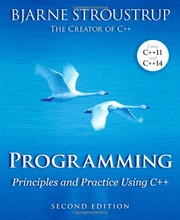
Begin with C++ Primer, a comprehensive, example-driven introduction that covers the language properly rather than skimming. If you are new to programming entirely, Programming: Principles and Practice Using C++ (2nd Edition), written by the language's creator, teaches both C++ and how to think like a programmer. For a fast, modern overview once you have some footing, A Tour of C++ is a concise survey of the whole language as it exists today.
Learn to write it well
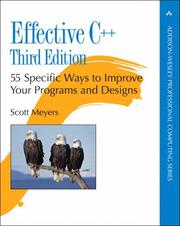
Knowing the syntax is not the same as writing good C++. Effective C++ is the classic collection of guidelines that steer you away from the language's many traps, and Effective Modern C++: 42 Specific Ways to Improve Your Use of C++11 and C++14 updates that wisdom for smart pointers, move semantics, lambdas, and concurrency. Together they are the difference between defensive C++ and confident C++.
Reach the deeper machinery
With good habits in place, go deeper. The C++ standard library is the reference for containers, algorithms, and iterators — the tools you should reach for before writing your own. C++17 in Detail is a practical guide to the features that modernized the language, and C++ Templates: The Complete Guide (2nd Edition) is the definitive treatment of generic programming, the hardest and most rewarding corner of C++. For perspective on why the language is shaped the way it is, The design and evolution of C[plus plus] tells the story from the inside.
Follow this arc and C++ stops feeling like a pile of features and starts feeling like a coherent, powerful tool. Read the full path to get from your first class to modern, high-performance code you can defend in review.
Follow the full reading path →
Ready to learn something deeply?
Build a reading path — free