Bushcraft is the art of being comfortable in the wild with as little as possible — the opposite of gear-dependence. That's what makes it a genuine skill discipline: fire, shelter, water, navigation, and food are things you learn to do with your hands and your knowledge. Reading in order builds those competencies from survival essentials outward.
The path moves from core bushcraft and survival, into navigation and finding your way, then tracking and observation, and finally the primitive and foraging skills that make you truly self-reliant.
Build the survival core
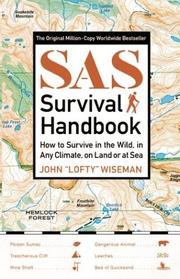
Start with the essentials. Bushcraft 101 by Dave Canterbury is the modern touchstone for the fundamental skills — cutting tools, fire, shelter, and cordage. SAS Survival Handbook by John Wiseman is the comprehensive survival reference to have on the shelf, and Advanced bushcraft by Dave Canterbury extends the first book into deeper, long-term wilderness living. For a naturalist's approach to survival, Tom Brown's Field guide to wilderness survival by Tom Brown, Jr. adds the tracker's perspective on shelter, water, fire, and food.
Find food and your way
Now provisioning and orientation. Stalking the wild asparagus by Euell Gibbons is the classic on wild edibles that makes foraging inviting. Then navigation: Be expert with map and compass is the standard on those tools, while Finding Your Way Without Map or Compass by Harold Gatty teaches the older art of reading the land and sky to orient yourself with nothing at all.
Read the land and go primitive
Finish with the deepest skills. Field guide to nature observation and tracking by Tom Brown, Jr. sharpens your ability to read animal sign and the landscape itself. Primitive technology by David Wescott is the hands-on reference for making tools, fire, and cordage from raw materials, and Edible Wild Plants by Roger Tory Peterson gives you a reliable field reference for identifying what's safe to eat.
Read this path in order and you'll build real backcountry competence — survival first, then navigation, tracking, and the primitive crafts. Follow the full path from relying on gear to relying on skill.
Follow the full reading path →
Ready to learn something deeply?
Build a reading path — free