Biomechanics is where mechanics meets anatomy — the study of forces, levers, and motion applied to living bodies. It is genuinely quantitative, which is why an ordered reading list matters: get the mechanical foundations and analysis methods first, then the specialized applications in sport, gait, and injury will rest on solid ground rather than intuition.
The path runs from core principles through analysis techniques to the specialized domains that clinicians, coaches, and researchers actually work in.
Foundations
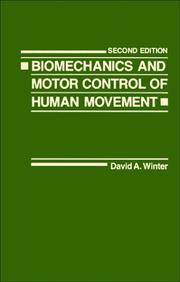
Start with Biomechanics and motor control of human movement by David Winter, the authoritative technical foundation that rigorously covers the mechanics and measurement of movement. For a gentler on-ramp, Basic biomechanics by Susan Hall introduces the same principles more accessibly, ideal if the physics feels daunting. Read them together, using Hall to unlock Winter.
Analysis methods
Next, learn to actually assess movement. Qualitative analysis of human movement by Knudson teaches the systematic, observational approach coaches and clinicians use when instruments are not available — a genuinely practical skill. Biomechanics of sport and exercise by McGinnis then applies the mechanical principles specifically to athletic performance, connecting theory to the field and the gym.
Gait and muscle
Walking is the most-studied human motion, and it deserves focus. Human Gait Analysis and Dynamics of Human Gait cover how we measure and interpret walking, foundational for rehabilitation and orthopedics. Alongside them, Skeletal Muscle Form and Function explains how muscles actually generate the forces that drive movement — the engine behind everything else.
Injury and integration
Finally, tie it to consequences. Biomechanics of musculoskeletal injury by Whiting explains how tissues fail and how injuries occur, essential for prevention and clinical work. Neuromechanics of Human Movement by Enoka integrates the nervous system's role, and Biomechanics: A Qualitative Approach for Studying Human Movement consolidates the qualitative methods for a rounded finish.
Biomechanics informs coaching, physical therapy, and clinical practice, but these books complement professional training and credentials rather than replace them. Read in order, they give you a rigorous, physically grounded understanding of how bodies move.
Follow the full reading path →
Ready to learn something deeply?
Build a reading path — free