Backgammon fools people into thinking it is a dice game, when strong players win consistently because they master a handful of learnable skills. The catch is that those skills stack in a specific way: checker play before opening theory, opening theory before the doubling cube. Read them out of order and the advanced concepts float free of any foundation.
The doubling cube in particular is where beginners and experts diverge most, but it only makes sense once you can already evaluate a position. So the path below earns the cube: fundamentals first, then the openings, then the money skill of when to double and when to take.
Learn to move the checkers
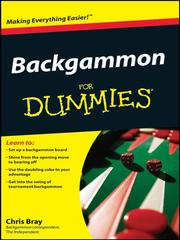
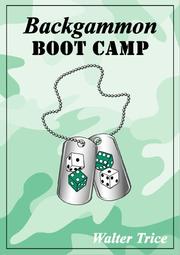
Start with Backgammon, Paul Magriel's legendary text — often simply called "the bible" — which teaches positional thinking and checker play with a rigor no other beginner book matches. If you want a gentler entry first, Backgammon for dummies covers the rules and basic strategy in plain language. Then Backgammon Boot Camp consolidates the fundamentals into a clear, modern training program that bridges beginner and intermediate play.
Study the opening and the cube
With checker play solid, Opening Theory in Backgammon teaches the best responses to the opening rolls — the moves computers have proven and humans should memorize. Then comes the hardest, most valuable skill: Cube Handling in Backgammon explains the doubling and take decisions that separate winners from the rest, since a single cube error can cost more than a dozen checker mistakes.
Build match-winning strategy
Finally, sharpen your competitive edge. Backgammon to Win and Winning Backgammon, both from a world-champion author, translate theory into practical match play, and 501 essential backgammon problems drills your judgment position by position until good moves become automatic. Backgammon Praxis rounds things out with worked examples that reinforce everything above.
Read in this order and backgammon reveals itself as a game of skill wearing a costume of luck. Follow the full path from the opening roll to confident cube decisions.
Follow the full reading path →
Ready to learn something deeply?
Build a reading path — free