Freediving is unusual among sports because reading in the wrong order can be dangerous, not just inefficient. The single most important lesson — never dive alone, never push a blackout — has to land before any depth ambition does. So a responsible path leads with safety and physiology and treats depth as a slow reward.
Beyond safety, freediving is a mind-body discipline: relaxation, breath control, and equalization matter more than raw lung size. The books below build understanding of the body first, then technique, then the mental game that lets you stay calm where your instincts scream to breathe.
Safety and foundations
Start with Free Diving, a broad practical grounding in the sport's equipment, techniques, and — crucially — its safety practices. Then read Oxygen, world-champion William Trubridge's memoir, which weaves the physiology and psychology of extreme breath-hold into a story that makes the stakes vivid. Together they set the respect the sport demands.
Technique and relaxation
With the fundamentals framed, The Art of Freediving from a legendary champion teaches the technique and body awareness at the heart of a clean dive. Freediving: A Beginner's Guide is a clear, structured on-ramp for building skills step by step, and Breathe: A Life in Flow brings a champion's perspective on the calm, flow-state mindset that makes long breath-holds possible.
Deepen the science
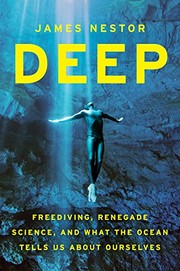
Freediving finally rests on breathing science. The oxygen advantage teaches breathing techniques — many drawn from CO2 tolerance training — that improve your everyday and athletic breath control. The Last Breath explores the extremes and dangers of the sport with hard-won respect for the ocean, and Deep: Freediving, Renegade Science, and What the Ocean Tells Us about Ourselves zooms out to the biology and wonder of what happens to the human body underwater.
Read in this order and freediving becomes a disciplined, safety-first pursuit rather than a dare. Follow the full path — and never skip the safety chapters.
Follow the full reading path →
Ready to learn something deeply?
Build a reading path — free