The first thing to sort out is what art therapy is, because the phrase is used for two different things. In clinical art therapy the image is made inside a therapeutic relationship and the therapist is credentialed to work with the resulting material; in community and studio settings, art-making is offered for wellbeing without that clinical frame. Books from both traditions sit on this path, and the order below reads the clinical field first because it is the one with entry requirements.
Those requirements are real and they are jurisdictional. Training routes, registration, board certification and state or national licensure differ by country and change over time, so treat every book here as a description of the work rather than a statement of what you currently need to practise. None of them substitutes for a supervised training programme or for clinical supervision, and no book can.
Get the shape of the field first
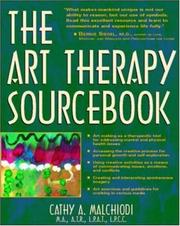
The art therapy sourcebook by Cathy Malchiodi is the standard entry point for a general reader: what art therapists do, where they work, what a session looks like. Follow it with Judith Rubin's Introduction to Art Therapy, which is the textbook version of the same territory — history, theory, settings, and the profession's own account of itself.
Then read the argument the field was built on. Edith Kramer's Art as therapy with children makes the case that the art-making itself, the sublimation of feeling into a made object, is the therapeutic action. Others locate the therapy in the verbal relationship the image opens up. Rubin's Child art therapy is the practitioner-side companion, closer to how sessions with children actually run.
Malchiodi's Understanding children's drawings deserves particular attention because much of it is a caution: it works through why drawings are not a diagnostic code, and why reading symbols off a child's picture is the field's most common misuse.
Theory, technique and specific populations
Lisa Hinz's Expressive Therapies Continuum is the most demanding book on the list and the most useful once you are in training — a framework linking the media a client uses to the level of processing involved, which turns material choice into a clinical decision. Her Drawing from Within applies the same thinking to eating-disorder work.
For directive practice, Susan Buchalter's Art therapy techniques and applications is a collection of structured exercises, best used as a supplement rather than a foundation; a directive without a formulation is just an activity. Marian Liebmann's Art therapy for groups is the standard text for group settings and is far more than a list of exercises — it covers group dynamics, boundaries and running the room.
Pat Allen's Art is a way of knowing comes from the studio tradition and is about the therapist's own practice, which most training programmes take seriously: you are asked to keep making work yourself.
Medical, trauma and studio practice
The final stage is specialised. Medical art therapy with children covers work in hospital settings, with illness and treatment as the material. Trauma and Expressive Arts Therapy is Malchiodi's synthesis of trauma theory with expressive work — the most current framing on this path, and the one closest to how trauma-informed services now describe themselves. Content is clinical throughout: illness, bereavement and abuse are the subject matter.
Shaun McNiff writes from the studio end: Art as medicine argues for the image as an autonomous partner in the process rather than a symptom to be decoded, and Trust the process is his book on creative practice for practitioners and general readers alike.
Work through the path in order and you will know both what the job involves and which parts of it require credentials you can only earn in training. You can also browse more reading on art therapy as a career.
Follow the full ordered path here: The Best Books on Becoming an Art Therapist, in Reading Order.