Amateur radio is unusual among hobbies because it begins with a government exam: you cannot legally transmit until you pass your license test. That fact sets the reading order. The license manuals come first — not because theory is boring, but because passing the exam is the gate to everything else. After that, the hobby opens into radio science, antennas, and operating skill.
The second reason to sequence carefully is that ham radio is genuinely technical, spanning electronics, physics, and antenna design. Trying to absorb propagation math before you understand basic radio science is frustrating. The path below moves from license, to fundamentals, to the specialized craft of getting a signal out.
Pass the license exams
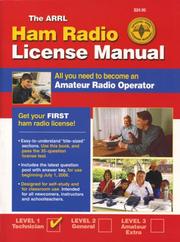
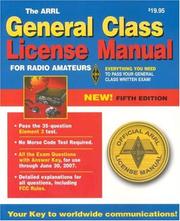
Start with ARRL Ham Radio License Manual, the standard study guide for the entry-level Technician exam — it teaches the rules, safety, and basic theory you need to get on the air. When you are ready to upgrade, the ARRL General Class License Manual prepares you for the General class and the wider band privileges that come with it. These get you licensed and legal.
Build the fundamentals
With a callsign in hand, deepen your understanding. Radio Science for the Radio Amateur explains the physics and electronics behind how radio actually works, and The ARRL Handbook for Radio Communications (ARRL Handbook for Radio Communications) is the encyclopedic reference — the book hams keep on the bench for building, troubleshooting, and understanding gear for years.
Master antennas, propagation, and operating
Getting a signal out is where the craft lives. The ARRL Antenna Book and Antenna Fundamentals for Ham Radio teach the single most important variable in your station — the antenna — from theory to practical builds. The new shortwave propagation handbook explains how the ionosphere carries your signal around the world, ON4UN's Low Band DXing is the specialist bible for long-distance work on the tricky low bands, and The ARRL Operating Manual teaches the on-air procedures, contests, and etiquette that make you a good operator.
Read in this order and ham radio unfolds from a single exam into a deep technical craft. Follow the full path from your first study session to confident contacts around the world.
Follow the full reading path →
Ready to learn something deeply?
Build a reading path — free